Filter :

Getting rid of the extra shredded fat that is left after losing an excessive amount of weight becomes necessary because it is difficult to lose that lose and saggy fat on its own. The cosmetic surgical procedure done to remove that excess fat is called tummy tuck or abdominoplasty. It helps to improve the shape and appearance of the abdominal area.
shares her/his views on what a tummy tuck is, why it is done, how one should prepare for a tummy tuck, how it is done, and what are the side effects and complications associated with a tummy tuck.
Table of Contents
An abdominoplasty is a cosmetic surgery that helps to remove the excess skin/fat. An abdominoplasty (tummy tuck) is a major surgery that removes excess skin and fat from the abdomen. This surgery not only helps to remove fat but also helps to strengthen the muscles in the abdominal wall. This surgical procedure is known as tummy tuck or abdominoplasty.
It is necessary for one to educate themselves before moving ahead with the procedure. One should thoroughly analyze the situation and take appropriate time before arriving at a final decision. It is important to understand this procedure should not be done as an alternative to weight loss.
Following are some of the reasons why one would need an abdominoplasty.
A tummy tuck helps to remove loose, excess fat, skin and strengthen and tighten the weak muscles. It also helps to remove stretch marks, and excess skin in the lower abdomen i.e. below the belly button as that is the most stubborn fat.
Combining a tummy tuck with other body-contouring operations like breast surgery is an option. If you have had liposuction, a tummy tuck may also be necessary because liposuction just removes fat and the tissue directly beneath the skin. It does not remove any extra skin.
How abdominoplasty is done depends on the type of result a patient wishes to have. The surgery can take from 1 hour to 5 hours as per the location of the surgery. Below are certain types of tummy done:-
Complete abdominoplasty is mostly done when the correction is way too much. The surgeon starts with an incision around the bikini line i.e. roughly around where the public hair starts. The quantity of excess skin that is removed determines how long the scar will be. The skin and its muscles will eventually be adjusted by your surgeon. The whole procedure takes approximately 2 hours.
This is done with shorter incisions and is often done on people who have less excess skin to be removed. In the whole process, your belly button will not be moved. The surgeon will separate the line of incision and the belly button. The whole procedure usually takes 1 to 2 hours.
This surgery is usually done there is excess fat in the back and also the abdominal area. The doctor may recommend you to either have liposuction of the back or this circumferential abdominoplasty. If you go forward with a circumferential tummy tuck procedure the doctor will be able to remove both skin and fat from the hip and back area.
If you are someone who is active and works out a lot then it is advised to limit your workout and the strenuous exercise for the next 4-6 weeks. It usually takes one week to recover but every body is different and everyone’s healing process is different.
If you’re a woman who is still planning to have children, you may want to postpone a tummy tuck until you’re through bearing children. During surgery, your vertical muscles are tightened. Future pregnancies can separate these muscles once again.
If you are planning on losing weight then it is advised to avoid having tummy tuck procedure right away. It is always a better idea to first lose weight and let your weight be stabilised before moving forward with tummy tuck. Your surgeon will discuss with you all possible scenarios when you visit for consultation.
Post the surgery, the doctor will prescribe certain medications to help ease the pain and swelling. Soreness and numbness may last a few days and the patient might feel tired for the same amount of time.
Be it any surgery, it comes with certain risks of side effects. Below are some complications that may occur:
A stomach tuck can improve the appearance of your belly by removing excess and extra fat and skin and also strengthens your abdominal wall. If right weight is maintained, the benefits of tummy tuck are permanent and long lasting.
Q1. Is it safe to get a tummy tuck ?
The whole procedure is safe but every individual’s body is different and therefore befor removing forward it is advised to know if tummy tuck is the right treatment plan for you.
Q2. What are the health benefits of getting a tummy tuck?
Following are the benefits of getting tummy tuck:-
Q3. Is getting a tummy tuck painful?
No, the procedure is done after giving anesthesia. Post surgery, the area corrected will be swollen and sore for a few days but will eventually start to heal and relieve any slight pain or discomfort.
Q4. How long will a tummy tuck last ?
If the weight is maintained, the tummy tuck procedure is long-lasting and permanent.
Q5. Can a tummy tuck cause stomach issues ?
Yes, there might be situations in which the patient might experience constipation post tummy tuck procedure.
Q6. Can you conceive (have a baby) after getting a tummy tuck ?
There is no theory on not being able to conceive post tummy tuck surgery. The surgery does not affect a woman’s ability to get pregnant and is also not dangerous to carry a baby post surgery.
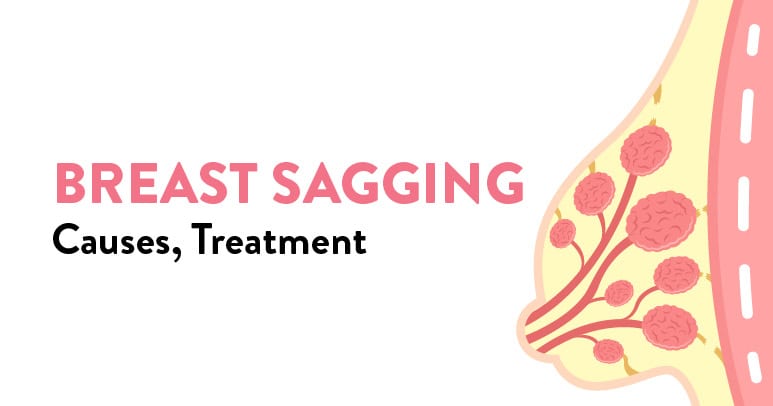
There are certain things a woman experiences as she ages, one such is sagging breasts. This change is completely natural and it is completely understandable if any woman does not want saggy breasts and wishes to find ways to either prevent or improve them.
Dr. Rohan Khandelwal, explains why this can happen, its causes, ways to treat saggy breasts, prevention of sagging breasts point out some natural home remedies for sagging breasts.
Table of Contents
A woman shouldn’t be ashamed of having saggy breasts. Every woman’s breast is different, breasts come in different shapes and sizes and they do and can change over time. Change in a woman’s breast is not a dangerous thing and not something to worry about but it may affect her self-confidence and quality of life.
There are several factors that may have led to saggy breasts, such as age, pregnancy, weight, etc. A person in his or her early 20s or 30s may experience saggy breasts and some may experience it in their 40s or 50s.
Let us understand some causes of saggy breasts and what steps can a person take to change the appearance of saggy breasts id and when they wish to.
Breast sagging is also known as breast ptosis, which occurs when the cooper’s ligaments in your breasts, which lift, shape, and support your breast, stretch and lose their structure, causing the breast to sag. Droopy, deflated breasts might result from a loss of skin elasticity.
Below are some of the common causes of sagging breasts:-
No one can save themselves from ageing up, it touches every single body that touches this earth. No matter what medicines you eat, what diet you follow, and what exercise plan you take age will some or then other way catch up with you.
Sagging breasts is a normal and natural part of the ageing process, some experience sagging breasts early in their youth some experience them when they reach their 40s or 50s.
But, it is common among women who have reached menopause, as there are several hormonal changes that can affect the structure, size, shape, and volume of the breast tissue.
We must have seen that people with higher weight tend to have larger breasts than people with a lower or maintained weight. Being overweight can lead to saggy breasts, not just in females but also in males.
Sometimes women work out without wearing the right bra to support their breasts making them saggy and uncomfortable to deal with. If your breasts are heavy and you do not wear proper support, it can lead to stretching of the tissues and make your breast saggy.
Women who have small and round-shaped breasts do not have much problem but women who have large breasts succumb to gravity and start to lose elasticity and take a saggy shape. Large and saggy breasts can also cause severe back pain.
When a woman is pregnant and her hormones start to change, meaning the breast tissues and the glands begin to produce and fill up with breast milk and all of this milk can cause the breasts to become heavy and sag.
Some researchers link that there might be some history of smoking to sagging breasts, while other studies contradict this conclusion. As a result of the loss of elasticity in the skin caused by smoking, smokers are more likely to develop sagging breasts.
The following sections will help outline some treatment options.
To reduce the size of breasts, some women go through a process called breast augmentation. Depending on the size of the breast the doctor may suggest the type of augmentation required.
Doctors explain if the size of the nipple of 2cm or more than that then the breast augmentation may not work and the patient might have to consider a combination of augmentation and lift surgery.
Breast lift, also called mastopexy, is a treatment in which the doctors remove extra tissue and skin from the breast to reshape and increase the support to the breast. Breast lifts do not modify the shape and size of the breast tissue, but in fact, remove the extra skin.
Stitch in time saves nine. It is always better to prevent something than to try to treat it later on. Sagging breasts is one such problem, there are certain things women can do to prevent themselves from having saggy breasts.
Nobody is asking you to lose weight or gain weight. Instead, maintaining a healthy weight can be beneficial for you as it may help prevent breast sagging and keep your breasts firm and in the right shape for as long as possible.
For athletic women or women who are into cardio exercises like jogging, it is essential for them to reduce too much mobility of their breasts. Working out without wearing a sports bra can cause stretching and sagging of breasts.
Smoking is like a slow killer. It starts to affect your body by destroying the lungs and overall functioning of the body. Smoking though has no proven theory regarding its effect on breast sagging but researchers have warned that smoking may cause the breast tissues to lose their firmness and also speeds up the ageing process by destroying elastin, a protein which keeps the skin remain supple.
Below are remedies that may or may not work for everyone and are not medically proven and are mentioned for awareness purposes.
If sagging breasts is a concern for you, then the fastest way of tightening sagging breasts is getting a surgical treatment as recommended by the doctor.
Wearing a proper fit sports bra, focusing on chest exercises to firm up the breasts and maintain a healthy weight. The last resort is to get a surgical treatment to help firm up sagging breasts.
Unfortunately, no because breasts are not made up of any muscles and it is not possible to firm up the breasts tissue with exercise also. It can help improve the strength and tone of muscles but permanent firming up will not be possible unless breast lift surgery is performed.

Liposuction is a surgical procedure used to remove extra body fat. The fat is removed through an intrusive process when it is far too stubborn to go away on its own. Only with the help of cutting-edge technologies is it now feasible to get rid of excess and undesired body fat, which is challenging to lose even when one leads a healthy and active lifestyle.
Dr. Priya Bansal share her views on why liposuction is done, what are the risks associated with it, how one can prepare and what one can expect in liposuction, various types of liposuction, its recovery period and covered everything else about liposuction. Let us begin this article by understanding –
Table of Contents
Liposuction is a procedure done to remove excess fat, and this procedure can be done on any part of the body that hasn’t been well responsive to exercise and a healthy diet.
Parts of the body where liposuction or fat reduction surgery can be performed:
Also, liposuction can also be used to reduce the size of the breast or in the treatment of gynecomastia.
Simply put, when you gain weight the fat cells also increase in size and volume, and here liposuction comes in picture, it reduces the number of fat cells in the affected or specified area where there is excess fat. The amount of fat that needs to be removed will always depend on the location of the fat and off course the volume of the fat in the area.
Liposuction though is a cosmetic surgery, but is way too complex and serious surgery which surely comes with its own set of pros and cons associated with it. Before proceeding with the surgery, it is always advisable to consult with your plastic surgeon with respect to the risks that can occur during or post surgery.
The risks during the surgery include:-
The risks after the procedure include:
The risks during recovery include:
Liposuction is a surgery which might work for some and might not be appropriate for others. Every individual’s body is different and not every individual will be the right candidate for the surgery. Before starting with the procedure it is very important to discuss all your skeptical thoughts that you might have in your mind.
Before moving ahead with the decision of liposuction, below are some things you should know before hand.
People who have 30% of their ideal weight, are above 18 years of age have do not have any serious medical conditions that may affect the healing process are suitable for liposuction.
As per doctors suggestion, it is important for the individual to quit smoking to increase the chances of successful surgery.
Liposuction is not an alternative or a quick solution to losing weight quickly. In fact, the best candidate for fat removal surgery are people who are actually almost close to having a healthy body weight as per their height. The goal of the stomach fat removal is to get rid of unwanted stubborn fat deposits and which surely can’t be removed by diet and exercise alone. This method works well on patients with skin that is reasonably firm.
It makes sense that individuals would have high expectations for the procedure given that it is a cosmetic procedure. But it’s crucial to have reasonable expectations and not just wait around hoping for a swift recovery from the procedure. In reality, the liposuction is part of a reshaping or sight contouring procedure. Though inner beauty is where true happiness rests, outer beauty may be necessary to boost one’s self-esteem and love of oneself.
After the surgery, many people return to their daily activities but doctors advise that after the liposuction surgery, the patient should avoid any strenuous sports and other activities. The only activity that can be done is slow walking. The soreness and inflammation caused due to the liposuction surgery takes time to heal and therefore to appreciate the results of the fat removal surgery it is important to rest as much as possible.
There are different types of liposuction, your surgeon will be the best person to recommend which type of liposuction will suit you depending upon the area of the body and medical history.
This is one of the most common types of liposuction. This form of liposuction surgery involves the surgeon injecting a significant volume of a medicated solution, which is a combination of salt water that helps with the removal of extra and stubborn fat. An anesthetic and a painkiller are also included in this medicinal solution/fluid. Before the procedure, the anesthesia is given that helps to numb the area. The pain reliever helps to lessen blood loss and edema. And finally, the salt water, or IV solution, is used to remove the fat more quickly. This type of liposuction requires a lengthier time than other types.
As the name explains itself, in this type of liposuction the surgeon uses ultrasonic vibrates/waves to convert the fat cells into its liquid form. Post that, the cells can be vacuumed out. This liposuction technique may help in removing the fat from areas that are dense, and fiber filled areas of the body like upper back or male breast tissues that are enlarged.
Similar to ultrasound-assisted liposuction, laser-assisted liposuction works by liquefying fat cells so they can be vacuumed out or drained through smaller tubes but this is done by using the laser technology rather than ultrasonic vibrations. This LAL is used in more constrained areas including the chin, face, and jowls because the tubes used in the technique are smaller in size. LAL may have an advantage over other liposuction methods due to the fact that it stimulates collagen synthesis and may help reduce skin sagging after liposuction.
This liposuction technique is recommended for patients who have had liposuction in the past. This technique helps to remove a significant amount of fat more quickly and readily because of its vibration. The cannula used in the liposuction moves quickly back and forth which allows the surgeon also to work at a much faster pace with greater accuracy.
Post the surgery, swelling usually takes a few weeks to subside. During the recovery period, once the swelling is reduced the area where surgery was done might start looking less bulky. Within a period of few months, the treated area might start appearing more leaner and better.
Results of fat removal surgery is usually permanent but if you feel even a slightest discomfort then you should seek immediate help. Doctors explain that though the bodily skin has a natural tendency to lose sits firmness with age but the post liposuction the results remain permanent if you maintain the right weight.
Liposuction is a permanent procedure, but there are chances that you might gain weight if not taken care of your eating habits.
No, liposuction is not a painful procedure. As long as anesthesia medications are used before the procedure, liposuction is a relatively pain-free experience.
Yes, after liposuction the fat is removed permanently as long as the patient is able to maintain the weight.
It depends on how much fat is being removed from the body. Usually, the patient loses approximately 4.5 kilograms.
You will see a significant change in your waist size. You may even lose between 1 – 3 inches from your waist.

Piles, is a layman word for haemorrhoids. As per several various researches, every human has haemorrhoids and this means the severity of the piles is what helps to diagnose the condition. Piles in women above the age of 40 is common and can also affect women who are pregnant., Laparoscopic & Oncological surgeon, explains what are piles, its causes, its look and feel and can hemorrhoids go away on their own.
Table of Contents
Piles, also called hemorrhoids are swollen blood vessels in the lower part of the rectum or anal that when stretched are either swollen or dilated and cause irritation. Although piles can sometimes be painful but to cause the normal anal tissues to pain and swell to a certain level, is an indication that there must be something very severe that may have led to the pain and swelling.
You must be aware that hemorrhoids can happen either inside or outside the rectum or anal canal. What type of haemorrhoids has occurs depends on where the swelling has been found:
These are haemorrhoids that affect the veins outside the anus and can cause the veins to swell, bleed, crack and itch. Depending on the severity of the piles they may fill with blood that may lead to clotting. Though these are not dangerous, they can result in severe pain, discomfort and swelling.
These are haemorrhoids that lie inside the rectum. Internal haemorrhoids are usually not felt or seen but can cause severe discomfort. These haemorrhoids are usually painless but can cause strain and irritation when passing stool. The patient might notice small amounts of blood in the toilet.
There can be situations in which the internal and external hemorrhoids may prolapse, meaning they may stretch and bulge outside the anus or anal canal. These types of haemorrhoids may cause pain or bleed.
The signs & symptoms of haemorrhoids depend on the type and severity of the haemorrhoids.
Symptoms might be bothersome or distressing, but they usually go away within a few days.
There can be several reasons for piles in women. Below are some of the common causes due to which the risk of piles might increase.
When the women is 36 weeks pregnant, the baby enters the pelvic cavity thereby putting pressure in the pelvic area and this automatically leads to increase in the size of the anal and rectal blood vessels and the formation of piles. After the birth of a kid, these heaps normally dissipate.
Though this can happen to anyone but is common in women who are pregnant. Pregnant women are prone to feeling constipated and at times this leads to long term constipation. When there is lack of fibre in the diet it leads to constipation thereby pitting strain on the anal canal and leading to piles or haemorrhoids .
People who frequently suffer from diarrhoea or have been a victim of diarrhoea for a long period of time may also suffer from piles. Diarrhoea can increase the irritation and swelling of haemorrhoids which can then lead to inflammation and painful sensations.
Male and females whose job requires sitting for longer duration can put pressure on the hips making the gluteal muscles to spread out. The small veins around the anus and rectum are stretched causing pain and swelling of the veins.
Haemorrhoids are most common in people over the age of 50. Young people and children, on the other hand, can also get haemorrhoids.
People who are addicted to workouts and lifting too heavy weights are prone to haemorrhoids.
Following are some of the piles treatment options that can help relieve signs and symptoms of hemorrhoids.
If nothing works, the final solution to hemorrhoids is surgery, i.e. hemorrhoidectomy in which large external haemorrhoids are removed or haemorrhoids stapling, in which a stapling instrument is used to remove the internal hemorrhoids.
The best way to prevent piles is to consume food items that result in soft stools. To prevent haemorrhoids and reduce the effect of its symptoms, below are some common tips that can be followed.
Hemorrhoids are very frequent, affecting 40 to 50% of the population. Even after trying home remedies and making relevant lifestyle changes, the symptom of piles in females and males might be severe. If a patient’s haemorrhoids persists for more than one week, medical help may be required immediately. Make an appointment with our leading specialist for more information or personalised advice.
What causes piles in females?
In women, the main cause of piles is when they are pregnant because there is a lot of pressure on the pelvic area and also feeling constipated during pregnancy is common in females.
Do piles go away on their own?
Yes, if the piles are not severe and are not causing much pain and swelling they usually go away on their own within one week.
How can I check piles at home?
If there is blood after your bowel movement, lump type feeling around the anus, itchiness in the anus and mucus even after wiping with tissues are some of the indications to note for piles.
Potassium deficiency, also called hypokalemia is when the person’s body does not get the required potassium needed from the diet or loses too much potassium or when the deficiency is due to vomiting or severe diarrhoea.
Potassium is a mineral that aids in the regulation of fluid in the body as well as the appropriate functioning of muscles and nerves. It is a nutrient that is found inside cells and is necessary for optimum health. Dr. Ravindra Gupta, in this article explains what potassium deficiency is, its causes, symptoms and how one can treat potassium deficiency.
Table of Contents
Muscular cramps are uncontrollable muscle aches that occur suddenly. They can be painful and occur when blood potassium levels are low in the body. This stiffness and pain is associated with severe hypokalemia, but it can also occur with sudden onset of mild or moderate hypokalemia.
Potassium aids in the initiation and termination of muscular contractions. Low blood potassium levels can disrupt this balance, resulting in cramps, which are uncontrollable and persistent contractions.
For a variety of causes, weakness and weariness are frequently the initial indicators of potassium deficiency.
Potassium, for starters, aids in the regulation of muscular contractions. Your muscles perform weaker contractions when your blood potassium levels are low. Also, a mineral deficit can influence how your body absorbs nutrients, which can lead to weariness. Potassium deficiency might hinder your body’s ability to process nutrients like sugar, resulting in weariness.
Digestive issues can be a result of several conditions, but it may occur due to potassium deficiency as well. The potassium in the body helps your digestive system to churn and propel food so as to digest it well in the stomach. But if the level of potassium is low in the digestive system it may weaken and slow the digestion and movement of the food thereby causing bloating, constipation and other digestive problems.
A severe potassium deficit might make it difficult to breathe. Your lungs may not expand and contract properly if your blood potassium levels are severely low, resulting in shortness of breath and may even be fatal. Potassium deficiency can cause shortness of breath because it helps the lungs expand and contract.
Though persistent tingling and numbness are more common in patients with high potassium levels, or hyperkalemia, those with potassium deficiency might also feel tingling and numbness. We all know how important potassium is for the body, it is required for normal functioning of the nervous system. Nerve signals can be weakened by low blood levels, resulting in tingling and numbness.
Keeping a proper electrolyte balance is critical for maintaining a healthy blood pressure. You’re probably aware that too much sodium can raise blood pressure in certain people. Few people realise, however, that a lack of potassium in the diet might have the same impact.
Potassium aids the kidneys in excreting excess salt through urine. The kidneys reabsorb sodium back into the bloodstream if there isn’t enough potassium in the blood, which can contribute to high blood pressure over time.
This is most commonly associated with a low potassium intake in the diet, and more precisely, hypokalemia. Getting adequate potassium in your diet may thus be a solution for some people to maintain a healthy blood pressure.
It’s advisable to consult a healthcare professional about blood pressure monitoring and therapy if you have high blood pressure. Potassium is important for controlling sodium levels in the body. Your kidneys retain more sodium in the body when your potassium levels are low, which can lead to high blood pressure.
Potassium deficiency is not a common deficiency, below are some of the common causes that could have triggered the deficiency.
To treat hypokalemia, oral or IV supplementation is frequently required. While eating a potassium-rich diet is, it does not always restore potassium levels and that is why it is necessary to get the patient treated by a medical practitioner.
Oral potassium supplements are commonly used to treat mild to moderate hypokalemia. Your healthcare provider may also need to alter any other drugs or treat underlying problems such as diarrhoea, vomiting, or eating disorders in some circumstances.
Hypokalemia is frequently accompanied by a chloride shortage, so potassium chloride supplements should be used to address both deficiencies. Having said that, always follow your healthcare provider’s advice.
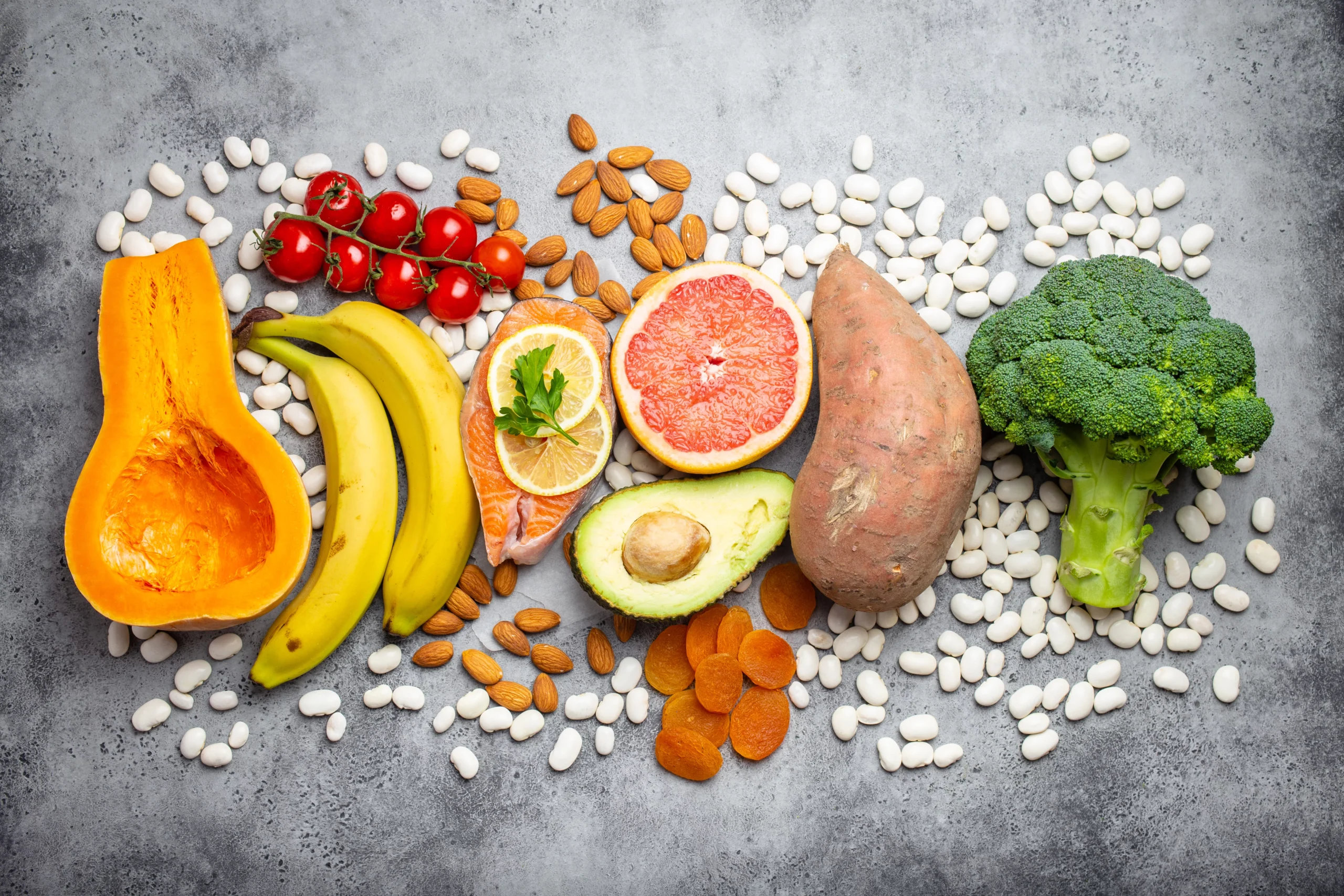
Potassium is available in many foods. Below are some of the foods in which potassium can be easily found.
Ques 1. What happens when your potassium is low?
When the potassium level is low in the body, there are certain common signs that your body starts to show like breathing difficulty, digestive issues, abnormal heart beating, severe loose motions etc.
Ques 2. What drink is high in potassium?
Drinks rich in citric acid are drinks that are high in potassium. Juices like orange juice, cherry juice, and watermelon juice are all good sources of potassium.
Ques 3. What is the most common cause of low potassium?
The most common cause of low potassium is frequent visits to the washroom, excessive urination throughout the day.
Ques 4. How can I raise my potassium quickly?
Food and drinks can help increase the potassium in your body. Bananas, potatoes, avocados, apricots, leafy greens, dried peas and beans are all that you can use to boost potassium intake.
Ques 5. How do you keep your potassium levels normal?
Keep yourself away from foods that are way too high in potassium and get a full body checkup every 6months to 1 year to know the content of vitamins and minerals in the body.
Table of Contents
A seven-year-old boy visited the Department of GI, Minimal Access & Laparoscopic Surgery at the CK Birla Hospital, Delhi.

He had complaints of severe abdominal pain that had been affecting him for the last 3 years. The patient was also reported to be hospitalised several times for pain management.
Dr Amit Javed, a leading laparoscopic G.I.surgeon attended to the patient and evaluated his condition. Dr Amit suggested a few tests and screenings to precisely diagnose the condition.
The findings revealed that the patient had multiple strictures in the pancreatic duct along with the presence of multiple stones in the pancreas. He was also suffering from bile duct obstruction. After analysing the findings of the tests, Dr Amit went ahead with the laparoscopic surgery as this was the best treatment for the patient.
The patient had visited various other hospitals earlier seeking relief. However, he was denied surgical intervention due to his age and low weight (17 kgs). Moreover, Dr Amit decided to perform laparoscopic surgery to treat the patient.
The surgical team at the CK Birla Hospital, led by Dr Amit, successfully performed a complex laparoscopic surgery to treat the patient. Using the laparoscopic technique, the team of surgeons opened the entire pancreatic duct and removed the stones surgically. After that, the team created a new passage for the uninterrupted flow of pancreatic juice and bile juice.
After performing the surgery, Dr Amit stated “Only a handful of cases of laparoscopic surgery in small children have ever been reported and this is probably the first in India.” A minimally invasive surgical procedure such as laparoscopy is rarely used to treat chronic pancreatitis and associated bile duct stricture.
Dr Amit is an expert Gastrointestinal, Gastrointestinal Cancer, Laparoscopic & Bariatric/ Weight Loss Surgeon with over 20 years of experience. He is skilled in minimally invasive/laparoscopic surgeries and has been a mentor to many budding surgeons. He was also the first in India to perform Whipple’s Surgery to cure pancreatic cancer in a 6-month pregnant lady.
The surgical procedure was completed without any complications and the child recovered quickly. He was closely monitored by the surgical team and discharged from the hospital after 4 days of the surgery.
The patient greatly benefitted from laparoscopic surgery that offered him quick and long-term relief, allowing him to lead a normal, healthy and happy life.
Benefits of laparoscopic surgery include:-
Pancreatitis is the inflammation of the pancreas, which is a long, flat gland that sits tucked behind the stomach in the upper abdomen. The pancreas produces enzymes that help digestion and hormones, helping regulate the way the body processes sugar. Pancreatitis can occur as acute pancreatitis that appears suddenly and last for days.
However, some people may develop chronic pancreatitis that occurs for many years. Mild pancreatitis improves with treatment. However, severe cases can cause life-threatening complications. The most common symptoms of chronic pancreatitis may include:-
Chronic pancreatitis can impair the flow of pancreatic juice leading to severe abdominal pain. Bile duct stricture impairs the flow of bile leading to jaundice. Pancreatitis is a life-threatening condition if left untreated.
Recurrent pancreatitis may cause blood and fluid loss causing life-threatening conditions such as multi-organ failure. Therefore, timely medical intervention and proper treatment are needed.
At the Department of GI, Minimal Access & Bariatric Surgery, CK Birla Hospital, we offer a comprehensive range of surgical treatments including surgeries for cancer, general and gastrointestinal, and breast and obesity for both women and men.
Our doctors are trained in the latest minimally invasive laparoscopic procedures to treat a wide spectrum of conditions, ensuring that recovery time is considerably minimized. Precision in diagnosis and treatment is of paramount importance to us.
Our team of surgeons, anesthetists, intensivists and nurses use the latest equipment and innovative procedures to ensure accuracy, safety and the best clinical outcomes.
We offer:-
If you experience the symptoms of pancreatitis or suffering from any gastrointestinal diseases or disorders, and seeking the most effective and personalized treatment, you can book an appointment and consult our doctors now.

Since 2019, when the pandemic hit our lives, there hasn’t been one day when we did not hear about some of the other variants being released into our environment as if the Coronavirus wasn’t enough. One such injection called the Black Fungus, has not just spread like an infection but there have been so many assumptions that have spread regarding what exactly are the black fungus symptoms and how can one diagnose or get themselves treated for black fungus (also called Mucormycosis).
In this article, with the help of expert insights from Dr. Ravindra Gupta, a leading internal medicine specialist at The CK Birla Hospital, we will understand what is a black fungus, its symptoms and why COVID patients are being affected by it.
Table of Contents
Black fungus is a non-contagious yet serious and rare fungal infection that if not treated can be fatal. It is mostly found and detected in people who have earlier been infected with coronavirus, viral infectious diseases, immunodeficiency diseases, cancer and other medical conditions. Mucormycosis, or black fungus, is caused by fungi called mucormycetes, which are found in the environment, especially in soil and in conjunction with decaying organic substrates, compost piles, animal faeces, rotting wood, and plant material. This can be seen on rotting fruits and aged bread as a black-coloured growth.
Researchers believe that this type of fungus could have a significant impact on the immune system, it affects the body’s immune system so much that the body becomes more susceptible to fungal infections. This infection, mucormycosis is considered an effect of covid-19, meaning it affects people who have recovered from coronavirus. In recent times, the number of cases of black fungus and the deaths associated with it has increased. Therefore, it is absolutely essential for recovered patients of coronavirus and other immunodeficiency disease patients to learn and understand more about black fungal infection so that they are able to recognise its signs and symptoms.
There are several types of black fungus that can affect parts of the body and lead to black fungal infection. Mucormycosis of the skin (Cutaneous), gastrointestinal mucormycosis, pulmonary (lung) mucormycosis, and rhino cerebral (brain and sinus) mucormycosis are all examples of Black Fungus. As a result, Mucormycosis symptoms vary depending on where the fungus is germinating in your body.
(Infographics to be made for each mucormycosis symptom)
Mucormycosis is a rare yet fatal fungal infection which attacks the blood vessels and damages the body leading to severe complications like causing tissue necrosis and even death. As per research, it has been found that this fungus starts emerging in the body after the usage of steroids given to coronavirus patients. The drugs given for treating coronavirus patients contain elements which trigger the onset of this fungus. There is no doubt that these medications help relieve the inflammation and manage the effect of covid-19 infection but it comes with severe repercussions, like affecting the body’s ability to fight other infections like mucormycosis.
There are several types of fungi that can cause mucormycosis. The most common types that cause mucormycosis are Rhizopus species and Mucor species. Other examples include Rhizomucor species, Syncephalastrum species, Cunninghamella bertholletiae, Apophysomyces, Lichtheimia (formerly Absidia), Saksenaea, and Rhizomucor.
To diagnose and test if the patient is infected with black fungus below are some vital steps that should be abided by the patient and the doctor.
After diagnosis, the black fungus needs to be treated with prescribed antifungal medicines. The doctors with the right medication can help stop the growth of the fungus and control the infection until it is completely destroyed. In severe cases, surgery might be recommended as it can help remove dead and infected tissues. Before moving ahead with surgery, the patient needs to be strong mentally and physically as the surgery involves removing parts of the body that are infected.
Mucormycosis infection occurs in people who have already been infected with some or the immunodeficiency diseases. Patients who take medicines that have potential to lower the ability of the immune system making it difficult to fight infection back with the fungus. When infected with COVID-19 the body becomes weak and more vulnerable to infection thereby leaving the immune system at risk. So, people recovering from Covid-19 are at a higher risk due to a weak immune system.
Ques 1. How black fungus spread?
It does not spread from person to person, even though it is a rare infection but a dangerous fungal infection.
Ques 2. How black fungus is caused for COVID patients?
COVID patients become more prone to infection because their immune system becomes weak and also there are times when the medicines given to the patients cause side effects. Therefore, there are chances of black fungus infecting patients recovered from COVID.
Ques 3. Is black fungus contagious?
No, black fungus is not contagious but is a dangerous infection which may even cause death or permanent damage to the body.
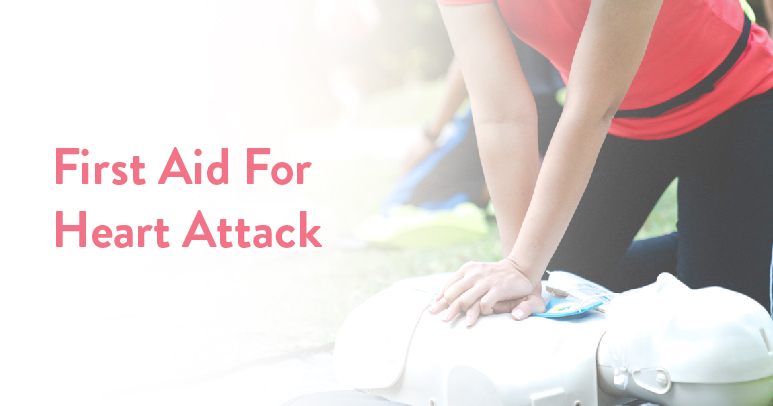
A health emergency never knocks on the door. A medical trauma or critical situation may present in the most unexpected way. During that time, experienced clinical intervention can be inaccessible for the time being. It is, thus, important for ordinary citizens to learn how to manage emergency situations, for instance, heart attacks. Knowing first aid in a heart attack can be a life-saving measure.
This article, written with insights from Dr. Rashi Khare, leading critical care specialist at the CK Birla Hospital, offers key information about first aid in heart attack.
Table of Contents
Heart attack, also known as myocardial infarction, is a condition that occurs when blood flow to the heart gets blocked. This blockage can be a result of long-term or gradual damage to the organ. Primarily, the accumulation of fat and cholesterol along with other substances may lead to the formation of plague in the arteries of the heart. The formation of a plague can rupture an artery and lead to the development of a blood clot. Furthermore, blood clotting and blockage can damage or destroy the heart muscles.
A medical emergency can look like and create a lot of panic. Before you deliver first aid in heart attack, you should at least know that the emergency situation is most likely the said disease. Therefore, it is important to learn about the common signs and symptoms of heart attack, which include:
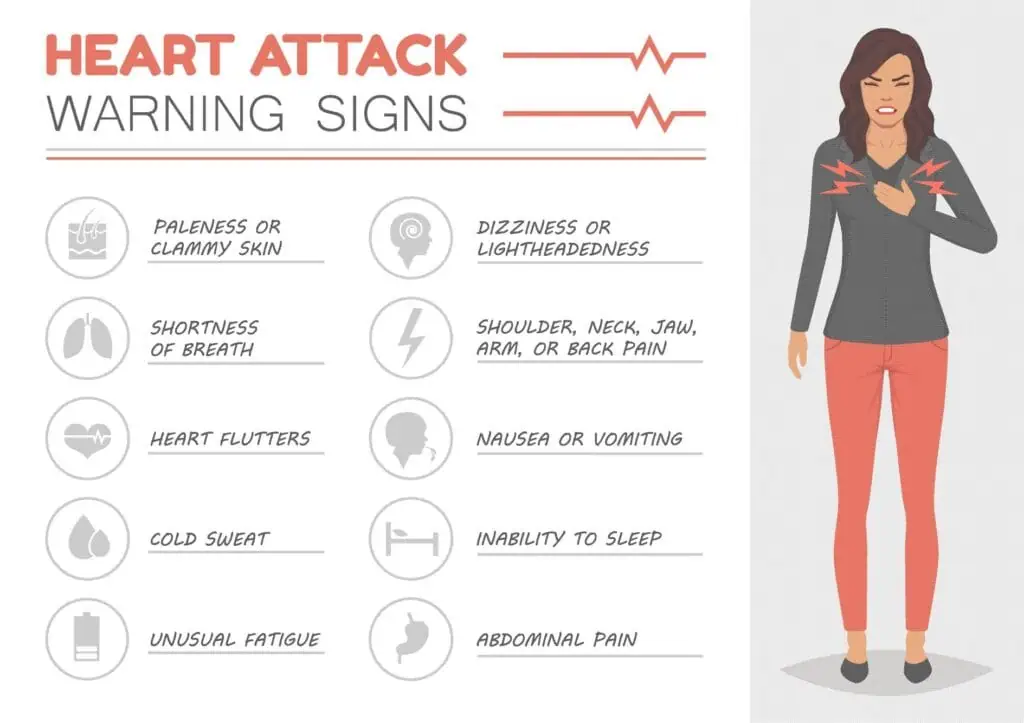
It is to be noted that not everybody have similar symptoms of heart attack. Additionally, the intensity of the above-given symptoms also vary. It is also possible that some one may have only one symptom.
First aid for heart attack includes several precautionary steps. The following guide will help you cope with a stressful situation like this.
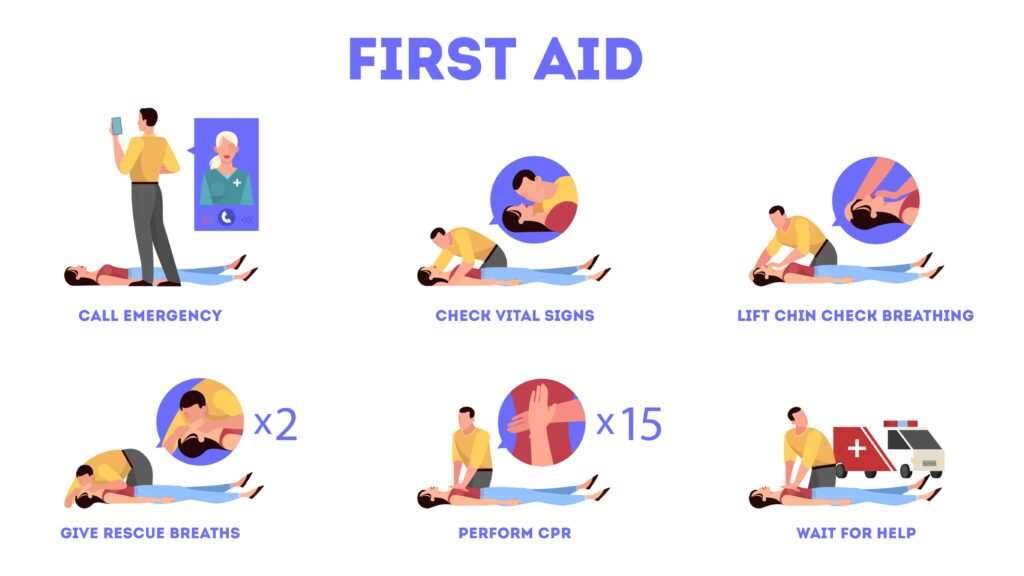
Step 1 – The first step you need to take when you suspect that somebody is having a heart attack is to call for help. You should instantly dial 112 and ask for an ambulance or connect with nearby healthcare institutions.
Step 2 – Analyze the affected person’s health condition and check if he/she is breathing. Additionally, check if the person has a pulse by examining the same on their wrist.
Step 3 (a) – In case the person is not breathing, you should immediately start CPR.
About CPR
CPR stands for Cardiopulmonary resuscitation. It is a life-saving measure that is provided to someone who is possibly having a heart attack or drowning.
CPR for heart attack can be performed by anyone – bystanders or first responders. Hands-only CPR includes giving repeated and rapid chest compressions in a rhythm of about 100-120 per minute until medical helpers arrive.
Step 3 (b) – If the person is not experiencing unconsciousness but has other obvious signs of heart attack, you should do the following:
If you are not a healthcare provider, the care and support you offer during the heart attack will be limited. While it is important to know which steps to take, it is essentially significant to know what not to do.
The following list provides an insight on what should be avoided while providing first aid in heart attack:
While in some people, heart attacks can occur suddenly, others may begin to notice their symptoms at least 2-3 days in advance.
Heart attack is a fatal condition, however, it can be effectively prevented with certain lifestyle recommendations and measures.
Here’s what you should do to reduce your chances of having a heart attack:
Timing is the key while providing first aid in a heart attack. You should act wisely and rapidly to help manage the person’s symptoms while professional medical health arrives.
The next steps for heart attack first aid are:
For more information and personalised guidance on first aid and critical care, visit the CK Birla Hospital.
Heart attack is one of the most known, common and fatal health concerns. Presently, it affects millions of people all over the world. This ailment also has a great mortality rate. Despite its high incidence, awareness and information about the fundamentals of this disease are lagging. In order to seek timely treatment and management, it is important to know about the symptoms and causes of heart attack.
In this article, with insights from our cardiologists, we will explore the most common reasons for heart attack. But before we dwell on the reasons, let us first study what this condition is all about?
Table of Contents
Heart attack is also known as myocardial infarction. It is a serious medical emergency that occurs when the blood flow to the heart gets blocked.
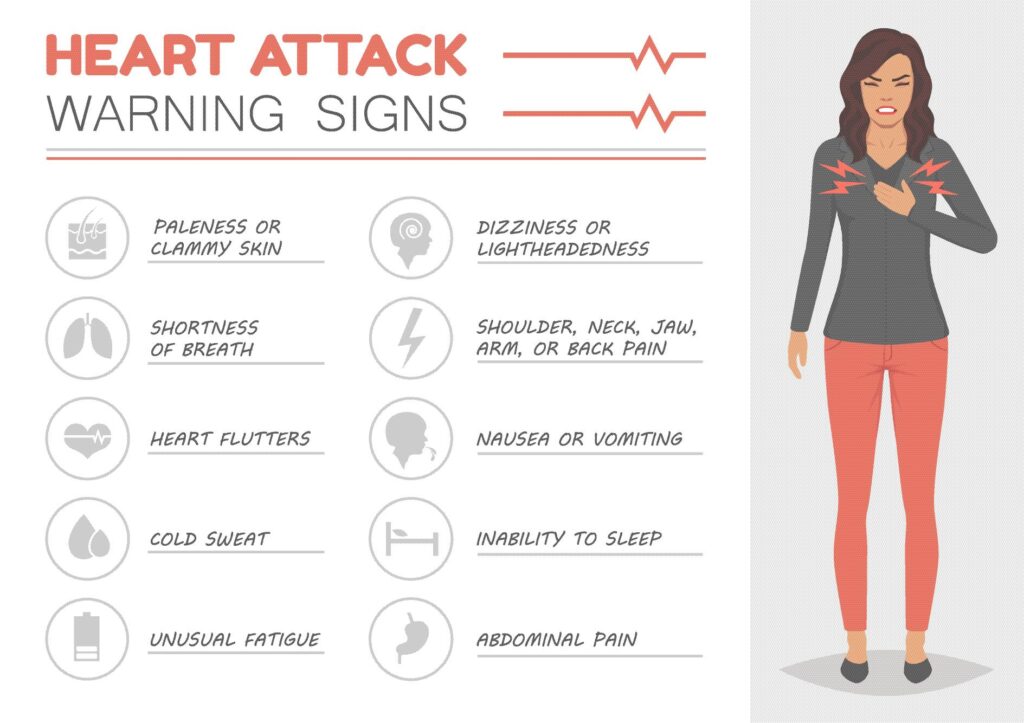
There is usually a formation of blood clots due to this blockage leading to complete disruption of blood supply. The blockage can not only disrupt the blood flow but also damage or destroy the organ due to an inadequate supply of oxygen.
A heart attack is characterised by a pressure, tightness, squeezing sensation or pain in the chest or arms, pain that radiates to the neck, jaw or back, nausea, indigestion, heartburn, abdominal pain, shortness of breath, cold sweating, fatigue, and sudden dizziness.
Cardiovascular diseases are highly common all across the globe. It is responsible for the deatlh of close to 17.9 million people worldwide. Out of these stark figures, 85% of the deaths are attributed to heart attack.
Also Read: Heart Valve Disease: Causes, Symptoms, and Treatment
Primarily, the reason for heart attack is the formation of plague caused by a build-up of fat, cholesterol and various other substances. The said plague forms in the arteries of the heart which is responsible for supplying oxygen-rich blood to the heart and causes the arteries to narrow.
Heart attack usually occurs as an effect of overtime damage to the organ. Overtime, due to sedentary lifestyle and other factors, one or more of the coronary arteries of the heart can get blocked due to the accumulation of fatty deposits (including cholesterol). This build-up leads to the development of a condition known as coronary artery disease which causes heart attack.
Heart attack is one such medically critical situation that can occur in anyone irrespective of their age or gender. However, some individuals or groups are at a greater risk of developing a complete or partial heart attack.
A range of factors – biological, lifestyle and others – can increase your chances of getting a heart attack some time. Common risk factors of heart attack are:
Also Read: Healthy Diet Chart for High Blood Pressure Patients
Heart attack, whether complete or partial, is a serious medical emergency. An episode of heart attack requires urgent and immediate critical care intervention. If not heeded timely, heart attack can lead to the following complications:
Points to note:
For more information on intensive care for heart attacks, you can speak to our healthcare providers. Book an appointment today.

