Filter :
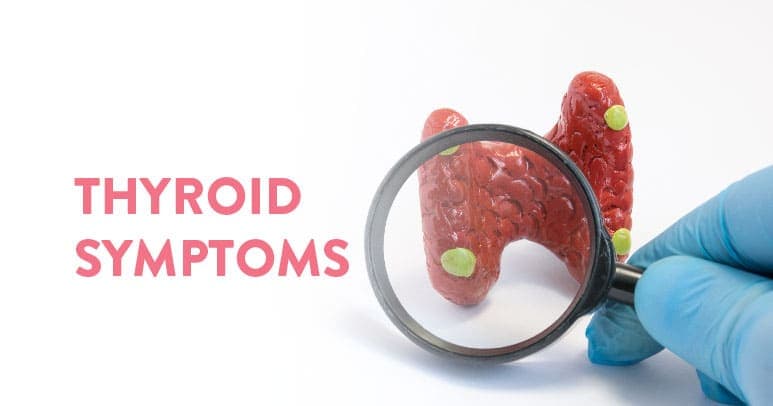
Thyroid disease is a medical problem that restricts your thyroid gland from producing the appropriate amount of hormones. Correctly, your thyroid produces the hormones necessary to keep your body operating normally. These thyroid hormones control how your body uses your energy. If you are feeling fatigued or there are some noticeable changes in your skin or hair then the doctor may conduct a physical exam and order blood tests to detect the functioning of the thyroid.
Post diagnosis, thyroid treatment depends on the type of thyroid and its underlying cause.
Our Endocrinologist, explains the types of thyroids, their symptoms, their causes, diagnosis and treatment.
Table of Contents
When the thyroid is unable to operate properly—either by releasing too much or not enough T4 hormone—thyroid illness develops. A lump or nodule may also form on your thyroid. Three primary thyroid conditions exist:
Hypothyroidism occurs when the thyroid gland does not produce enough T4 hormones. An underactive thyroid may occur because the pituitary gland, the hypothalamus, or the thyroid itself is not working properly. Nearly five per cent of the population has an underactive thyroid. More women than men suffer from the condition. Symptoms of an underactive thyroid include:
When the thyroid gland does not create enough Thyroxine (T4) hormone, hypothyroidism develops. Due to hypothyroidism, the pituitary, the hypothalamus, or the thyroid itself may not be functioning properly. The illness affects more women than men. Below are the symptoms associated with an underactive thyroid.
Hyperthyroidism occurs when the thyroid gland generates more thyroid hormones than the body requires. A malfunctioning brain, pituitary gland, or thyroid itself may produce an overactive thyroid. The cases of overactivity of the thyroid are not very common among people. Similar to an underactive thyroid, the disorder affects more women than men.
Symptoms of an overactive thyroid include:
When thyroid cells undergo changes and expand, malignant cells create nodules or growths, which is how thyroid cancer develops. These malignant nodules have the potential to migrate into the circulation, lymph nodes, and adjacent tissues if untreated. Though thyroid cancer is rare. However, over the years the cases of thyroid cancer have increased. There are four different kinds of thyroid cancer, papillary thyroid cancer, follicular thyroid cancer, medullary thyroid cancer and anaplastic thyroid cancer.
Also Read: What is cholesterol? Type, normal range, Diagnosis and Treatment
As per the symptoms, the patient visits the doctor to find the root cause of the disease. Based on the symptoms, the doctor is likely to perform a physical examination or diagnosis to assess and understand whether it is hypothyroidism or hyperthyroidism. Below are some tests done for the right analysis.
Levothyroxine (Synthroid®), a synthetic (man-made) thyroid hormone, is typically given to patients with hypothyroidism as this will help to restore the body’s hormone levels and will also relieve the symptoms. Periodically, your blood will be tested to make sure the medication given is successfully treating your hypothyroidism. The majority of patients with hypothyroidism require lifelong replacement thyroid hormone therapy.
The treatment for patients with overactive thyroid depends on how severe the symptoms are and what the underlying cause is. You and your doctor will discuss a few options as per each individual’s case. Medications like antithyroid medication, radioactive iodine, Beta-blockers and thyroidectomy (surgery).
Within six to twelve weeks of taking the medicine, symptoms normally start to go away, although therapy is routinely continued for at least a year. There are some side effects that are associated with the medicine, these antithyroid drugs may harm your liver and increase your susceptibility to infection and some people have allergic reactions to these drugs.
Many patients will require daily synthetic thyroid hormone to restore appropriate hormone levels in the body because radioactive iodine normally causes the thyroid to become underactive. Long-term use of radioactive iodine has demonstrated its safety.
Beta-blockers are used to lower high blood pressure. Although they do not directly treat the thyroid, beta blockers can help slow a fast heartbeat and avoid heart palpitations. In order to feel better until the thyroid is working more properly, patients are given beta blockers with anti-thyroid medicine and radioactive iodine. Beta-blockers are generally well tolerated by patients, however, some may have headaches, nausea, dizziness, or upset stomach.
A thyroidectomy, or surgical removal of the thyroid, is a treatment option for people who cannot use radioactive iodine or take antithyroid medication. The average surgery takes two to two and a half hours and after spending some time under observation, patients either go home that day or the following day. Although complications from thyroid surgery are uncommon, there is always a danger.
For thyroid cancer, surgery is the only treatment option. To remove the cancer cells, radioactive iodine therapy is employed. This applies to any remaining healthy tissue as well as any malignant cells. The doctor may remove neck lymph nodes for testing depending on the stage of the malignancy. Post-surgery, most patients may and will require daily synthetic thyroid hormone therapy for the rest of their lives. Your doctor and you will discuss your best surgical option based on the type of cancer you have and to what extent it has spread.
There have been several studies that indicate a relationship between thyroid and diabetes. Patients with thyroid disorder do have an increased risk of diabetes. Therefore, it is important to take care of the sugar levels.
Yes, thyroid issues i.e. severe hypothyroidism and hyperthyroidism can result in loss of hair. Once the treatment of thyroid starts it can take several months for the hair to grow back as it was before thyroid.
Feeling fatigued or tired goes away on its own with time. Doctors suggest taking all recommended medications on time and eating a diet that is healthy and full of nutrients.
Yes, there are several at-home thyroid test kits that can help diagnose thyroid disease.

Epilepsy is a neurological disorder, in which the activity in the brain becomes abnormal causing recurrent episodes of seizures. As per WHO, epilepsy is a non-communicable disorder that affects approximately 50 million people worldwide. Epilepsy can affect males and females, of all ethnic backgrounds and ages. It can affect a person’s brain in such a manner that it sometimes leads to the individual showing unusual behavior, and sensations.
Dr. Rajeev Gupta, explains all you need to know about Epilepsy, its types, causes, symptoms, and treatment available.
Table of Contents
A brain illness called epilepsy is characterized by recurring seizures. These seizures are typically characterized by an abrupt shift in behavior brought on by a transient disturbance in brain function. The brain normally continually produces minute electrical impulses in an organized pattern, but in people with epilepsy, the electrical rhythms of the brain have a propensity to become unbalanced, which causes unwelcome repeated seizures. It indicates that a person’s consciousness, motions, or sensations may be affected by the disruption of the brain’s usual rhythm caused by sudden alterations in the small electrical impulses.
Seizures can be triggered by any abnormal activity in the brain. Below are some signs and symptoms to keep a note of
Every individual is different and the symptoms do vary depending on the type of the seizure.
Epilepsy has no identifiable cause but the condition may also be traced according to various factors.
Epilepsy can be brought on by abnormalities in the brain, such as brain tumours or vascular anomalies including arteriovenous malformations (AVMs) and cavernous malformations.
Sometimes epilepsy runs in families and is classified by the sort of seizure the patient might have had.
Head trauma can be a result of a car accident or any major injury which causes epilepsy.
There are several infections that can affect the brain and cause epilepsy like meningitis, HIV, viral encephalitis, and some parasitic infections
Before birth and even after birth the brains of the babies are very sensitive. There are several factors that can cause epilepsy such as infection in the moth, oxygen deficiencies and malnourishment.
Epilepsy can be caused due to developmental disorders like autism.
To diagnose, the doctor will review all the symptoms and signs and understand your medical history. He will recommend several tests to diagnose and detect epilepsy and determine the cause of the seizures. Below are some tests that may help diagnose.
This test will help assess behavior, motor abilities, and mental function to determine the type of epilepsy the patient may have.
Your doctor could request a sample of your blood to look for indications of infections, genetic disorders, or other problems that could be related to seizures.
Additionally, your doctor might recommend testing to look for abnormalities in the brain like:
After the diagnosis, the doctor will begin the best and most effective treatment options for the patient.
Doctors generally begin by treating epilepsy with medication. If medications don’t treat the condition, doctors may propose surgery or another type of treatment.
People with epilepsy can go seizure-free by taking the right set of medicines. But in some cases, many children who aren’t experiencing epilepsy symptoms can eventually discontinue the medication.
The doctor may suggest surgery or other therapies
When the medication does not work the doctors may have to perform surgery to help remove the area of the brain that is causing seizures.
Several therapies can be given as an alternative to treat epilepsy when medication and surgery also do not result in seizure free life.
Epilepsy is a neurological disorder in which brain activity becomes abnormal causing severe seizures and unusual behaviors.
The person starts to show certain warning signals which need immediate attention:-
No, there is no known cure for epilepsy. There are several medications and surgical options that can help control the severity of epilepsy but there isn’t any cure for epilepsy.
No, epilepsy is not a mental illness. People with epilepsy do not have any cognitive or psychological problems.
Making certain changes in your lifestyle may help prevent epilepsy. Using safety belts while driving, and wearing a helmet at all times can help avoid brain injuries or traumatic brain injuries.
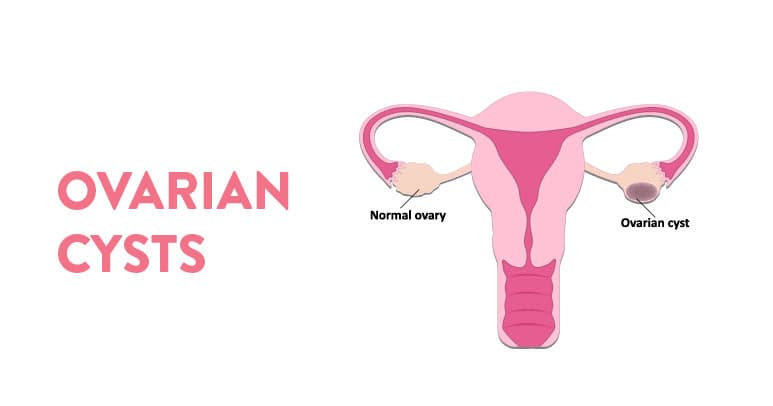
Robust menstrual and reproductive health is an important aspect of a woman’s well-being. Like any other system in the body, the reproductive system must be nurtured with care.
But at times, despite your attention to it, your reproductive system is susceptible to certain conditions. For instance, developing ovarian cysts is common among women. They often go away on their own but sometimes they can escalate into conditions that cause pain and several other symptoms. Let’s understand what exactly are ovarian cysts.
Table of Contents
Every woman has two ovaries located on either side of the uterus. The role of the ovaries is to produce and develop eggs or ova, which are released during the monthly menstruation cycle.
Sometimes women develop ovarian cysts, meaning fluid-based pockets that grow on top of or inside the ovaries. An ovarian cyst in the uterus is also a possibility. Expectant mothers may also develop ovarian cysts during pregnancy.
Typically, these cysts are harmless and disappear on their own. However, those that get ruptured can cause serious damage to your health. Here is everything you need to know about ovarian cyst causes, symptoms, and ovarian cyst treatment to enjoy good health.
Here is a demarcation of the various types of ovarian cysts:
During the menstrual cycle, the ovary releases an egg, which grows within a sac known as the follicle. On maturing of the egg, the follicle opens and releases the egg.
However, sometimes the follicle does not break open, which makes it grow into a cyst. Also known as functional ovarian cyst, this type usually vanishes within three months and has no adverse effects on the human body.
When follicles break open and release the egg, the now-empty sacs shrink into a mass of cells known as the corpus luteum. These cells play an important role – they produce the hormones required to prepare for the next menstrual cycle.
However, sometimes after the egg is released, the sac does not shrink and instead re-seals itself. This causes fluid to build up inside the sac, leading to the formation of corpus luteum ovarian cysts. They tend to go away after a few weeks.
However, sometimes they grow up to four inches wide. The pressure built up may cause them to erupt and result in bleeding or twisting of the ovary, which can cause pain.
When an ovarian cyst breaks open and bleeds into the belly and lower abdomen, it is known as a hemorrhagic cyst.
This is a cystic lesion in the ovary caused by the onset of endometriosis. It is a painful disorder triggered when the inner lining of the uterus starts growing outside, resulting in a chocolate-coloured ovarian cyst. It may require medical treatment and, at times, surgery.
Typically, ovarian cysts are tiny and do not manifest as symptoms. However, there are cases where the reality is different:
Some of the common causes for developing ovarian cysts include hormonal problems, which can lead to the development of cysts that go away on their own.
Some women develop ovarian cysts during the early stages of pregnancy. It may have to be removed if it continues to remain after the placenta forms.
Infections in the ovaries and fallopian tubes can also lead to the formation of ovarian cysts.
In rare cases, ovarian cysts can turn cancerous; the risk increases with age. Post-menopausal women are thus at a higher risk of ovarian cancer.
Some early symptoms might include rapid breathing, feeling weak or dizzy, heavy bleeding, sudden bouts of abdominal pain, fever, and vomiting. However, these ovarian cyst symptoms can also indicate ruptures or hemorrhagic cysts.
Sometimes, women may develop several small ovarian cysts, resulting in a disorder known as polycystic ovary syndrome (PCOS).
The growth of so many cysts may block the ovary from producing eggs, thus making it difficult for some women to get pregnant. It can also lead to irregular menstrual cycles and impact blood flow during the cycle.
If an ovarian cyst continues to grow and enlarges enough to shift the location of the ovaries, it can lead to twisting of the ovaries. This is also known as ovarian torsion.
Typically, you might experience ovarian cyst symptoms such as severe pain in the pelvic region. This may be accompanied by vomiting and a feeling of nausea.
Another complication is when a large ovarian cyst ruptures and leads to internal bleeding, which can cause immense pain and internal damage.
It is advisable to have ovarian cysts checked by a medical professional to avoid escalation into high-risk health conditions. This can include an obstetrician-gynecologist or OBGYN, gynecologist, or a specialist such as a fertility expert based on the issue faced.
Your consulting specialist may conduct a spectrum of tests to understand the severity of the problem. These can include a pregnancy test, a pelvic ultrasound, or a laparoscopy to get a closer look inside the ovary and a CA 125 blood test to check for signs of ovarian cancer.
Your doctor may observe your condition for some time and recommend medication based on the tests. In some cases, your doctor may recommend surgery to remove the ovarian cyst, ovary, uterus, or any cancerous mass.
For fertility issues, your consulting fertility expert is the best professional to guide you on the available options.
It is estimated that 10 in every 100 women have benign ovarian cysts that do not have any adverse effects.
However, when ovarian cyst symptoms start manifesting as pain, discomfort, fever, and other side effects, it is advisable to seek a medical diagnosis at the earliest and get access to suitable ovarian cyst treatment. Timely interventions can help you live a healthy, full life.
To seek the best diagnosis and treatment for ovarian cyst symptoms, visit CK Birla Hospital, or book an appointment with Gynecologist.
You might feel sharp spurts of pain, and the frequency might vary. However, if an ovarian cyst ruptures, it can lead to instant, intense pain.
Ovarian cyst causes can range from hormonal problems and infections in the pelvic region to extreme stress and experiencing certain conditions during pregnancy.
Typically, ovarian cysts do not present any risks and tend to go away on their own. However, in some cases, they can rupture, leading to bleeding. They can also turn cancerous. Ovarian cyst symptoms must be taken seriously, especially if there is pain and other indicators of infection. A cystic lesion in the ovary can also sometimes lead to intense pain and can trigger full-blown endometriosis.
Ovarian cyst symptoms can include pain in the pelvic area, sudden weight gain, vaginal bleeding, a tendency to urinate more often, and difficulties in urinating.
Long periods of stress can lead to hormonal imbalances that, in turn, can lead to the formation of ovarian cysts.

The organs in your body are made up of tissues, which are groups of multiple cells that come together to perform a function. The tissue walls of organs enclose them and prevent abnormal interchange with organs in different body systems like the digestive, reproductive, and urinary systems.
A fistula is defined as an unusual opening that develops between two organs of the body. A vaginal fistula is a tunnel-like opening that develops in the vagina wall.
Table of Contents
Your vagina is the muscular tube that runs from your vulva and connects to the mouth of your uterus. A vaginal fistula opens between your vagina and another organ, such as the colon in your digestive system or the bladder in your urinary system. It is usually in the form of a hole caused by damage to tissue in the wall of the vagina.
The vaginal fistula can lead to an abnormal interchange of fluids, gases, and substances between organs of different systems and the vagina. It can cause urine, gas, or stools to enter the vagina.
Vaginal fistulas can also develop between the vagina and organs such as the ureters, small intestine, and rectum. For the different types of fistula, the definition of the type is based on the organs involved. For example, a vesicovaginal fistula is one of the common types of fistula that develops between the bladder and the vagina.
The symptoms are different based on the type of vaginal fistula. It helps to understand the signs of a vaginal fistula so you can know if you need to get a check-up done.
This type of fistula forms between the vagina and organs in your urinary system. Symptoms of urogenital fistula include:
The most common type of urogenital fistula is a vesicovaginal fistula. It develops between the wall of the vagina and the bladder. This leads to urine leaking through the vagina and causes an odorous smell. Vesicovaginal fistulas usually occur due to a complication after surgery involving the bladder or vagina.
These fistulas form between the vagina and organs in your digestive system. Symptoms of Intestinal-vaginal fistula include:
A common type of fistula between the vagina and the digestive system is a rectovaginal fistula. A rectovaginal fistula is an unusual opening between the rectum (the lowest part of the large intestine) and your vagina. It can cause bowel contents like gas and stool to leak into the vagina.
A rectovaginal fistula forms as a result of:
Symptoms of a rectovaginal fistula include:
A fistula in women is usually caused by tissue damage or inflammation. Traumatic vaginal fistulas occur due to damage to the tissue walls of the intestine, the urinary tract, or the vagina. This can happen due to surgical procedures/operations or prolonged labor during childbirth.
An inflammatory fistula in women can form due to abscesses or cysts in the vagina or other traumas arising from disease or infection such as a tumor disease or inflammatory bowel disease like Crohn’s disease.
A genital fistula can form when there is the insufficient blood supply to the vaginal tissue, causing tissues to die. Over time, this causes a hole to form in the tissue. Albeit rarely, sometimes a person can be born with a congenital vaginal fistula.
During of vaginal fistula, the doctor will consider your symptoms and conduct a physical exam. The doctor will also recommend certain tests such as:
Treatment differs based on the types of fistula. Certain fistulas, such as those caused by infection, heal with medicines like antibiotics. A fistula caused by inflammation may heal with medication for the inflammation.
Courses of treatment may involve gastroenterology (treatment directed towards the digestive system), colorectal surgery (surgery involving the large intestine or the rectal tract), and urology surgery (involving the urinary tract). The hole caused by the vaginal fistula is covered with tissue or a special surgical material.
Fistulas can cause various complications, such as urinary and faucal leakage, kidney and vaginal infections, pain during sexual activity, and abdominal discomfort.
Childbirth and certain surgery can result in a fistula in women. It can also result from a complication arising out of cancer or a pelvic injury.
Vaginal fistulas are caused by tissue damage to the vaginal walls. The kind of vaginal fistula depends on the organs involved. The treatment may involve surgery of the affected organs. You may also be prescribed medications or system-focused treatment based on what is causing the tissue damage. To get the best treatment for vaginal fistulas, visit the CK Birla Hospital or book an appointment with Dr. Astha Dayal.
Yes, certain fistulas can heal on their own if the inflammation subsides or the infection resolves. However, this usually takes place with the help of medication to treat the infection or the cause of the inflammation or tissue damage. For a vaginal fistula, treatment will usually depend on the cause and nature of the fistula.
You can visit a clinic, and the doctor will conduct a physical exam, which would usually include a pelvic exam for a genital fistula. The doctor will also use scans like an MRI scan, CT scan, or ultrasound to check the tissue involved.
Vaginal fistula surgery is performed under anesthesia. You may experience some pain and discomfort after surgery, and the wound takes some weeks to heal.
You can prevent a fistula by maintaining a healthy diet to promote healthy tissue. You can also maintain good hygiene to avoid the development of infections. To avoid a genital fistula, maintaining healthy sexual habits and genital hygiene are important.
Fistula in women is usually caused by tissue damage that leads to the development of a rupture in the tissue that makes up an organ. This can be due to a surgical procedure, prolonged labour during childbirth, an accident or traumatic injury, or damage caused by inflammation or infection.
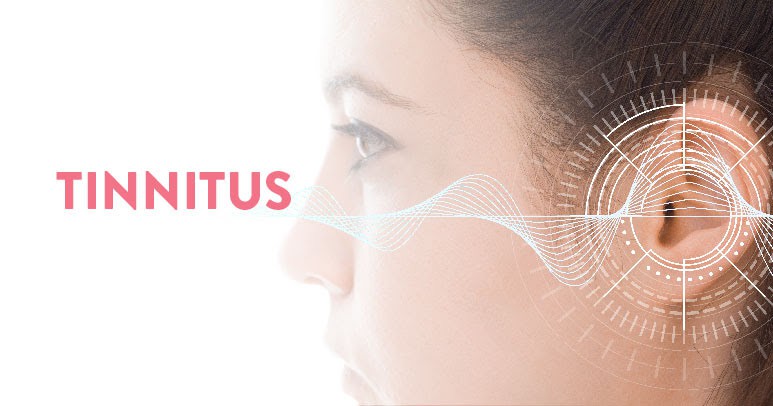
If you are hearing an unusual ringing or whistling sound that others cannot hear, you might be suffering from an ear-related problem called tinnitus.
Table of Contents
Tinnitus is a medical condition that causes you to experience ringing or buzzing in your ears. Other sounds you might hear include roaring, whistling, and hissing.
The noise you hear isn’t caused by an outside noise of any kind; hence, other people will not be able to hear it either.
Tinnitus is estimated to affect up to 15 to 20% of people around the world and is often experienced by the elderly. According to research, 1 to 3% of patients with this disease can experience the severe quality of life repercussions.
Tinnitus can be caused by many reasons. Here are a few common tinnitus causes:
There are delicate hairs inside your ear. Sound vibrations make these hairs vibrate, which is important for hearing.
When the hair cells break or bend, they leak electrical impulses that cause tinnitus. This happens mostly due to old age or prolonged exposure to loud noises.
Various drugs such as nonsteroidal anti-inflammatory drugs (NSAIDs), certain antibiotics, antidepressants, etc., may cause tinnitus. The annoying sounds usually go away once you stop taking these medications.
Your ears can get clogged up with fluid, ear wax, dirt, or other materials and cause a buildup in pressure, which can result in tinnitus.
If you’ve suffered from a head or neck injury, there is a chance that it might affect your inner ear and hearing nerves. Such injuries are one of the causes of tinnitus that is felt in one ear only.
Tinnitus may be an early symptom of Meniere’s disease. Meniere’s is characterized by abnormal pressure levels in the inner ear and can cause dizziness and disorientation.
In this condition, your eustachian tube (a passage connecting your ears to the back of your throat) remains open constantly, causing fluid or pressure buildup in your ear. This may cause a popping sensation when swallowing or yawning.
Inner ear muscle spasms can trigger tinnitus symptoms such as hearing loss and fullness in the ear. This can be caused by disorders like multiple sclerosis.
Acoustic neuroma is a benign or noncancerous growth that typically affects the auditory nerve. It can lead to tinnitus and other hearing-related complications.
Stiffening of your ear bones (otosclerosis) may affect your hearing and cause you to hear ringing or buzzing noises. Bone growth in the middle ear tends to be genetic.
If you have TMJ problems, you might experience tinnitus. This happens when your lower jawbone is not aligned with your skull.
Various conditions can affect the blood flow in your veins and arteries; these changes might cause tinnitus or make it more perceptible.
Some of the common tinnitus symptoms are:
Your Tinnitus doctor will examine the inside of your ears to diagnose tinnitus. Some common examination methods include:
This test is done to assess whether you can hear specific sounds or not. The result will then be compared with the results of people your own age. This can help in detecting tinnitus.
This test involves moving parts such as the eyes, jaws, neck, etc., to detect the presence of tinnitus.
CT or MRI scans are conducted to see if you have any ear deformities or damage.
Blood tests may be conducted to detect anaemia, heart disease, etc.
In order to treat your tinnitus symptoms, doctors may look for contributing conditions such as earwax buildup or head trauma. In some cases, they may also examine whether any medications you are on could cause tinnitus.
Depending on the underlying health condition, there are a few ways of treating tinnitus.
Having tinnitus is a frustrating experience because the symptoms and treatments are primarily unclear unless it is a treatable form of tinnitus.
However, with proper care and lifestyle changes, you can lessen the severity of your symptoms, which may improve your quality of life. To learn more about tinnitus and avail of tinnitus treatment, visit the CK Birla Hospital or book an appointment with Dr Anish Gupta.
Yes, tinnitus causes you to experience ringing or buzzing in your ears.
Common treatments for tinnitus such as ear wax removal, blood vessel condition treatment or hearing aids can help you get rid of tinnitus.
Although tinnitus and hearing loss are related, having tinnitus doesn’t make you deaf.
It depends. Some tinnitus symptoms usually go away in 16 to 24 hours, while others may persist for months or years.

Table of Contents
Aphasia is a nervous disorder of the part of the brain that deals with language. Normally, the left side of the brain is dedicated to this function. With Aphasia, this part of the brain gets affected. It could happen due to a head injury or a stroke.
This condition can occur suddenly, or it can also develop slowly, especially when it results from a brain tumour. It also develops as a condition related to progressive neurological diseases like Alzheimer’s.
If you have this condition, your capacity to understand and communicate in languages gets impaired. It also affects your reading and writing skills. Aphasia accompanies speech disorders like speech apraxia and dysarthria (muscular speech disorders).
Medically, we define aphasia as the total or partial power to understand words following brain damage due to various reasons. Aphasia’s meaning in English is, in fact, a derivation from French and Greek words. It traces its origin to the French word “aphasie”, which literally means aphasia, but aphasia’s meaning also has Greek connotations with the Greek word “phasis”, which means “utterance, statement.”
You can get aphasia from several events. Typically, you could get it following a stroke or head injury. But then, a brain tumour could also cause it. The damage is progressive and permanent.
If you develop this condition, your symptoms could be mild to severe, depending on several factors. Typically, the extent of aphasia you may suffer depends on the extent of brain damage.
An important thing to note is that there are several types of aphasia and aphasia-like symptoms. To understand the symptoms better, you need to first understand two parts of the human brain as follows:
This part of the brain is named after a French physician by the same name who discovered it. Broca’s area is the part of the brain that controls the muscles which enable you to speak.
It is named after a German neurologist who discovered this part of the brain. Wernicke’s area is the part of the brain that controls your cognitive abilities for understanding and using appropriate words as you speak.
The above two parts of a healthy brain work in tandem with each other and enable us to speak, read, write, and communicate in various languages. Once the Wernicke’s area does its job in helping you to select the right words, it sends signals to Broca’s area, which makes the muscle produce those words.
There are several types of aphasia. The commonest types are:
We also call this type of aphasia non-fluent aphasia caused by damage to the frontal lobe of the brain. Here, you know what you want to say, but somehow the muscles of your mouth and throat don’t allow you to articulate them.
If you have Broca’s aphasia, you might restrict your speech to single words and short sentences. Your vocabulary tends to be limited, and you may find even those words difficult to articulate.
Although your comprehensive abilities might be relatively unaffected, your writing and speaking abilities may become impaired. However, people will most of the time be able to understand what you are saying.
Also known as fluent aphasia or receptive aphasia, Wernicke’s aphasia affects your ability to speak fluently and use long sentences. It is caused by damage to the temporal lobe of the brain. You may not realise that your words don’t make sense, but you may notice something wrong when people can’t understand you.
If you are afflicted with Wernicke’s aphasia, your reading and writing can be impaired. Your speech will be marked by the lack of sentences that hang together well, and you may also use irrelevant words as you speak.
With anomic aphasia, you may find difficulty in finding suitable words for what you want to speak about. You will have particular difficulty with finding nouns and verbs. It can result in your speech seeming garbled to a listener. It can also affect your writing capabilities.
With the above three types of aphasia, many people can continue to work for a considerable time. If you have a job that requires a significant degree of communication with others, you might be unable to perform your daily tasks to the expected requirements.
Regarding the life expectancy of aphasia, the estimation is typically three to twelve years after the initial diagnosis of the disease.
A positive diagnosis of aphasia disease involves a set of tests. You will have to undergo some comprehensive language tests. A speech-language pathologist is a professional who will conduct these tests. Further testing may include a computed tomography (CT) scan, a magnetic resonance imaging (MRI) test, and a positron emission tomography (PET) test.
The first line of aphasia treatment is usually language and speech therapy. It is also not uncommon for the aphasia symptoms to reduce even without treatment.
The specialist you consult will be a speech and language therapist (SLT). Your doctor can recommend an SLT for you. After many hours of speech and language therapy, your speech and language abilities can be significantly restored.
The answer to the question “What is aphasia” and other information regarding its symptoms should now be clear to you. Your next question would be “What is your life expectancy?” It depends a lot on the primary source of your illness. One of the most extreme forms of aphasia emanates from a glioblastoma (cancerous brain tumour). The life expectancy is likely to be short.
On the other hand, you may have suffered a mild stroke with fair chances of complete recovery. In such cases, the prognosis is excellent. Your overall health condition and age also have a bearing on your recovery chances. There are also cases where even post-stroke elderly patients recovered completely from aphasia.
If you suffer from aphasia-like symptoms, visit a doctor immediately. You can visit CK Birla Hospital and make an appointment with Dr. Sonali Bali who will provide you with personalised treatment at the earliest.
There are three main types of aphasia are Wernicke’s aphasia, Broca’s aphasia, and anomic aphasia. Whereas Wernicke’s aphasia is caused by damage to the temporal lobe of the brain, Broca’s aphasia is a result of frontal lobe damage. Anomic aphasia, however, can arise from damage to various parts of the brain.
You may gradually lose your language skills if you have primary progressive aphasia. Your ability to communicate may gradually diminish. You may also need daily support for your daily routine activities. You can live for up to another 12 years after being first diagnosed with aphasia.
Aphasia is a symptom of Alzheimer’s but not a form of it. If you have Alzheimer’s, you may suffer various stages of dementia, accompanied by mild aphasia symptoms. You may find difficulty finding the words and names of people.
It is commonly misunderstood that people who have Alzheimer’s don’t recognise or remember a person. You may know exactly who the person is, but you cannot form the name on your tongue due to aphasia.
You cannot get anomic aphasia through stress. But chronic stress as you may get from having a stroke can result in anomic aphasia. However, your symptoms of existing aphasia can be aggravated in the presence of stress.
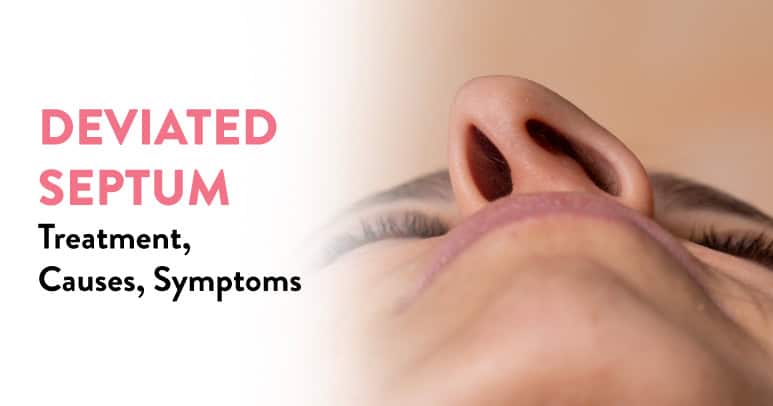
The nose is a vital organ of our body. It ensures that the air we breathe reaches the lungs directly and enables the supply of oxygen for other bodily functions. To ensure a clear flow, there is cartilage and a bone which divides the nose into the left and right nostrils. This is called the nasal septum, and close to 80% of people worldwide suffer from a deviated septum in their nose.
With this blog, renowned ENT Dr. Vijay Verma would help us understand what a deviated septum is, what are the treatments available for deviated nasal septum and give an overview of deviated septum surgery.
Table of Contents
A deviated septum is the reason why some people have crooked, deformed or bigger noses. This means that the nasal septum, i.e., the cartilage and bone that separates the nasal cavity, is askew. Due to this, the nasal cavity is unevenly divided, and one nostril is burdened with more air passage than the other, making it appear bigger and disproportionate.
While some are born with it, others suffer this condition post an injury to their noses.
Severe deviation can lead to breathing problems, blocked nose, headaches and prolonged congestion. It is a common occurrence and needs medical attention if it disrupts the quality of life of an individual. Surgery is often the best solution for such situations.
Deviated septum treatment starts with identifying the problem. But the symptoms only surface when the deviated septum starts disrupting normal nasal functions. Sometimes these symptoms are mistaken for allergies or common cold and ignored.
Common symptoms of a deviated septum are:
Significant deviation can be critical in infants, owing to smaller respiratory passages. The severity of complications can increase fatality levels. However, for minor deviations and mild or no symptoms, treatment is not necessary, and duly monitored medication can lessen the associated symptoms.
Here is a step-by-step approach to deviated septum treatment:
Step 1: Contact a specialist: Once the symptoms surface the next step is to seek proper medical guidance. When you notice any of the symptoms mentioned above, reach out to an ENT specialist for assessing the severity of the condition and suggest a course of treatment or management.
Step 2: Assessment & diagnosis: Each case is different and unique. Sometimes for minor symptoms, over-the-counter medicines may be prescribed, to relieve congestion, facial pain or headache. For more severe cases the doctor will give initial medicinal relief and suggest surgery. To diagnose a deviated septum, firstly your doctor will examine your nostrils using a nasal speculum to check the septum’s placement and the size of the nostrils. Be open with your problems w.r.t. sleep, snoring, sinus and difficulty in breathing.
Step 3: Patient profiling: The best approach to deviated septum treatment is a corrective surgical procedure called septoplasty. The specialist will do proper patient profiling to assess your eligibility, based on your age, medical history, pre-existing conditions and alcohol/drug/tobacco usage.
Step 4: Septoplasty Surgery: This is a same-day surgical procedure that will take just 2 hours. The procedure depends on your specialist’s recommendation and can even include a rhinoplasty or nose job to realign your nose.
Step 5: Recovery and rehab: Recovery for this outpatient treatment will be slow as is the case for all bone-related surgeries. Due care for pain management and prevention of infections will be prioritized by your healthcare expert. In three weeks to six months, the septum will start re-aligning and healing. Towards the end of recovery, the nasal passage will be healed, and you will be able to breathe normally through your nose instead of your mouth. For a successful procedure, avoid bumping your nose and ensure you follow your surgeon’s advice to the letter.
To summarize the above:
For most people, a deviated septum will not cause problems in their day-to-day life. But if you have severe symptoms, a corrective septoplasty may be the right course of action. Depending upon individual cases, rhinoplasty might be prescribed. This problem will not resolve on its own. Proper diagnosis and on-time treatment will help prevent the fatality of the condition. To know more about Deviated Septum Treatment, book your appointment with Dr. Vijay Verma today.
You will develop breathing difficulty, headaches and frequent nosebleeds , among other symptoms. Your nostrils will be unbalanced and deformed, leading to problems like subsisting sinusitis and internal infections that can be breeding grounds for more severe fatalities.
It is very common, and its severity depends on person to person. Approximately 80% of the global population suffers from this anomaly. The deviation can be a mild misalignment without any noticeable symptoms.
Most people don’t know they have a problem until the symptoms become severe. Complications can arise if the condition is left untreated. A strong indicator is a difficulty in breathing. Once diagnosed, consult a specialist and explore treatment options to minimize long-term health risks. This condition will not disappear on its own, so don’t ignore it.
It will increase frequent sinus infections, chronic inflammation and irritation in the nasal cavity and can lead to a serious condition called sleep apnea. Here the body stops breathing in sleep, restricting the oxygen flow. It makes you more susceptible to high blood pressure, stroke, heart attacks, diabetes, depression, ADHD and more.
When you feel constant pressure and discomfort for a basic human activity like breathing, the body is bound to get tired. Also, since the oxygen flow is restricted, it will lead to increased build-up of fatigue, impacting our daily performance in school and work.
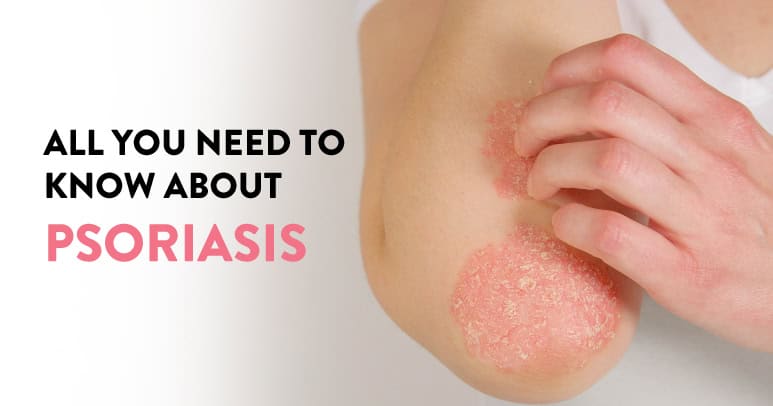
Psoriasis is an autoimmune disease that causes patches on the skin that become inflamed, itchy, scalp, sore, and very dry. As per several types of research, there are more than 125 million people worldwide with psoriasis. Dr. Seema Oberoi, explains what exactly is psoriasis, its symptoms, risks and complications associated with psoriasis, and the treatment plan for psoriasis.
Table of Contents
Psoriasis is a common autoimmune disease with no cure. It is a condition in which the skin cells build up and start to form scales and itchy dry patches which leave the skin inflamed. There are visible signs of inflammation in the body such as raised plaques and scales on the skin. People suffering from psoriasis tend to go through cycles, experience flaring for a few weeks, and then it subsides for a while. The flaring up of skin is because of the overactive immune system that speeds up the growth of skin cells. On one hand, where the normal skin cells completely grow and shed off in a month, with psoriasis, on the other hand, the skin cells do this in a span of 3-4 days, and so instead of shedding, the skin cells start to pile up on the surface of the skin.
There are several types of psoriasis, each of which varies in its signs and symptoms. Let us discuss the signs and symptoms based on the type of psoriasis.
This is the most common type of psoriasis. Below are some of the signs to look for a better diagnosis.
As the name suggests, this type of psoriasis mostly affects fingernails and toenails. Below are some signs and symptoms to look out for:
Guttate psoriasis is usually found in young adults and children. The trigger point of Guttate psoriasis is strep throat due to bacterial infection. Below are some of the symptoms of guttate psoriasis.
Inverse psoriasis affects skin of the groin, armpits, breasts and hips. Below are some of the symptoms of inverse psoriasis.
Erythrodermic psoriasis is one of the least common type of psoriasis. Below are some signs and symptoms of erythrodermic.
Psoriasis is an autoimmune disorder. The exact cause of psoriasis is still unknown. Let is discuss some of the most common and known causes of psoriasis.
Your healthcare expert will ask you questions with respect to your symptoms. After understanding your signs he will further examine your skin and suggest you to undergo a biopsy. He/She will take a small sample of your skin to examine under the microscope. This diagnosis will help determine the type of psoriasis and help plan the next course of action.
The treatment of psoriasis helps to stop the abnormal growth of skill cells that are growing way too quickly than they should. Treatment options include –
The treatment plan of psoriasis depends on the severity of the condition and how well the body is responding to the the type of treatment.
Diet plays an important role in triggering and combating the inflammation caused by psoriasis. Follow the below diet to keep the psoriasis in control:-
Your Psoriasis doctor will be the best person to suggest you the right diet plan or ask you to consult a registered dietitian to understand which food items are good and which are bad for your health.
Psoriasis can be difficult to manage, particularly if the diseased skin is visible to others or covers a significant portion of your body. But this shouldn’t be the case, it should not make the individual uncomfortable or anything to be ashamed of. Visit CK Birla Hospital to know more about Psoriasis and consult with our expert Dr Seema Lall.
Ques 1. What clears psoriasis fast?
Following are some of the topical items that can help calm psoriasis.
Ques 2. Is psoriasis caused by stress?
Psoriasis is not caused by stress but it can surely trigger psoriasis. Stress can make psoriasis flares worse.
Ques 3. Can psoriasis be cured?
Psoriasis is a condition with no known cure. It can be painful and may interfere with your day-to-day activities but there is no cure found till now. There are certain medications that may help relieve the discomfort and inflammation.
Ques 4. Is psoriasis a fungus?
Psoriasis is an autoimmune condition that lasts for a lifetime, but proper treatment can help control its symptoms. Fungal infections can trigger psoriasis.
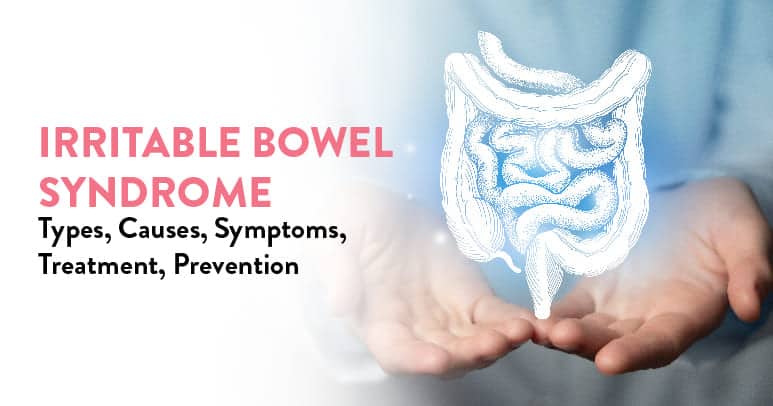
We know that stomach rumbling is the worst. Irritable Bowel Syndrome is one such condition in which the patient experiences abdominal cramping, bloating, gas, diarrhoea, and constipation. Many researchers have made a vigorous effort to find the cause of IBS, but it is still unclear; it may be related to an overly sensitive immune system or colon. Dr. Anukalp Prakash explains in detail what is Irritable Bowel Syndrome, its symptoms, causes, types, diagnosis, and treatment.
Table of Contents
Irritable Bowel Syndrome is a gastrointestinal disorder that causes severe pain in the stomach and leaves the patient with severe diarrhoea and constipation. The exact cause is unknown, and the IBS is only declared to the patient based on the symptoms. People with IBS experience notable changes in bowel movements, resulting in diarrhoea and constipation. When the intestines become irritated, it results in irritable bowel syndrome.
The signs and symptoms of irritable bowel syndrome may vary from person to person. Below are some known symptoms of IBS.
The patient might feel extreme pain in the abdominal area due to disturbances in bowel movement.
When the individual finds it difficult to pass or has a feeling of an incomplete bowel movement, it indicates constipation.
You may suffer cramping in your gut or feel like your bowel movement isn’t finished. Many sufferers have gassiness and see their abdomen as swollen. Regular restroom visits and ongoing pain might make life more difficult.
Patients with irritable bowel syndrome (IBS) frequently experience bloating. IBS sufferers frequently complain of gas, including bloating, significantly affecting their ability to go about their everyday lives. Bloating is frequently cited as one of the more troubling IBS symptoms.
IBS with diarrhoea (IBS-D) is characterised by frequent bowel motions, loose, watery stools, cramps, bloating, and stomach pain.
Individuals with IBS experience mucus from the rectum. If there is a large amount of mucus in the stool, it indicates Irritable bowel syndrome.
The symptoms of IBS may go on for some time, but they return. Some individuals do, however, experience ongoing symptoms.
Though the exact cause of IBS is still unknown, certain risk factors can trigger IBS.
As the first step, the doctor conducts a physical exam and understands a medical history. After that, the healthcare provider will further ask about the existing symptoms so that a proper diagnosis can be made. Below are some questions that the doctor may ask the patient.
You might require additional testing depending on your symptoms to confirm a diagnosis. Other conditions that resemble IBS can be ruled out using blood tests, stool samples, and X-rays can rule out other conditions that resemble IBS.
There are specific additional tests recommended for IBS:-
IBS treatment aims to reduce symptoms as much as possible to allow you to lead an everyday life.
Things that are a BIG NO:-
Though there is no cure for IBS, proper diagnosis and on-time treatment can help the individual manage the symptoms and regain a better quality of life. To know more about Irritable bowel syndrome, book your appointment today with Dr. Anukalp Prakash.
Irritable bowel syndrome causes cramps, stomach aches, severe bloating and gas and does make you feel weak after severe diarrhoea.
People above the age of 40 are at risk of developing IBS. However, your eating habits and not-so-strong immune system can also trigger IBS. As per research, women are more prone to be affected by Irritable bowel syndrome than men.
Several things can trigger IBS, like carbonated drinks, fatty undigestible food items and people who are lactose intolerant.
There is no cure or prevention for Irritable Bowel syndrome; however, individuals can do certain things not to trigger it. You can take steps to prevent IBS symptoms by making lifestyle changes that include a nutritious diet, lowering stress, and taking medications as directed.

