Filter :

Table of Contents
STDs are the short form of sexually transmitted diseases. STDs are also referred to as sexually transmitted infections (STIs) in the beginning.
Specifically, STDs refer to those diseases or infections that get transferred from one individual to another through sexual contact.
These diseases are spread through oral, vaginal, or anal sex. Though, occasionally they can be transmitted by close physical contact.
Usually, the common types of STDs for men include:
The common types of STDs for women include:
Often, men and women don’t experience the symptoms of STDs for a long time.
When they do experience STDs symptoms, they manifest in different ways for both of them. So, let’s discuss their symptoms separately.
An STI lies at the root of all STDs causes. These infections are typically caused by bacteria, viruses, and parasites and spread when bodily fluids are exchanged during sexual intercourse.
Sometimes, these infections can also spread through skin-to-skin contact. For instance, genital warts and herpes are STIs spread through skin-to-skin contact.
Besides this, certain infections (hepatitis B) can also spread due to sharing personal items such as razors, toothbrushes, etc.
Many times, an STI usually goes away on its own. However, when it doesn’t, the pathogens which caused it in the first place can end up harming your body cells and impairing their activities.
At this stage, symptoms start appearing for most people, and the infection becomes a disease.
Other than these causes, some risk factors, such as the ones mentioned below, can also cause you to have STDs:
To check for the diagnosis of STDs, you should go to a general practitioner or, even better, to an experienced gynaecologists.
For the diagnosis, a gynaecologist will ask you about your sexual history in detail and check your health history.
During this time, you may feel a bit hesitant to share details. That’s completely fine. Take your time and remember to be as honest as possible while giving the details about your sexual history.
The gynaecologist will also recommend that you undergo the following tests:
STDs caused by bacteria can be treated easily, while STDs caused by viruses can be managed but not completely cured.
Usually, the treatment for STDs involves:
Sexually transmitted diseases caused by bacteria and parasites, such as Gonorrhoea, chlamydia, syphilis, trichomoniasis, etc., can often be cured with a single dose of antibiotics.
Gonorrhoea and chlamydia are typically treated together because these two STDs frequently co-occur.
For antibiotic treatment to be effective, you must complete the course of the treatment. Moreover, you must refrain from having sex for a week after the treatment is over to avoid getting reinfected.
Antiviral drugs are prescribed to manage STDs like HIV or herpes.
However, antivirals cannot completely treat HIV or herpes. They can only lower their risk to your health and reduce your chances of spreading it to others.
Having said that, the effectiveness of HIV treatment increases with time. It is possible to lower the viral load in the blood to the point where it is hardly detectable if you take your drugs exactly as prescribed.
Additionally, if you take suppressive therapy daily along with prescribed antiviral medication, you will see fewer herpes recurrences.
The above STD treatments are very effective. But just in case they fail to treat STDs, the last resort for treatment remains surgery or abstinence from sex.
If you are sexually active, it can be tricky for you to avoid contracting STDs. Fortunately, some methods of preventing STDs still exist.
For STD prevention, you can keep the following in mind:
Sexually transmitted diseases (STDs) usually spread through bodily fluids during sexual intercourse. Sometimes, they can spread through other kinds of skin contact and even through sharing personal things.
If you experience symptoms like unusual penile or vaginal discharge, vaginal itching, swelling up of testicles, etc., you should immediately reach out to a gynaecologist and not hesitate to talk about it.
The experienced gynaecologists at the CK Birla Hospital understand what you are going through and emphatically try to discuss and diagnose STDs through state-of-the-art tests. We also prescribe personalized treatments for you.
For comprehensive STDs diagnosis and treatment, visit the CK Birla Hospital or book an appointment with Dr. Deepika Aggarwal.
FAQs
Q. Who gets STDs more: men or women?
Ans. Women get STDs more than men because a women’s vagina lining is more delicate and vulnerable and thus easily penetrable by bacteria and viruses.
Another reason is that more women are getting intrauterine devices implanted to avoid pregnancy. However, these devices don’t shield or prevent them from getting STDs.
Q. Are STDs worse for men or women?
Ans. Since women are more susceptible to STDs than men, STDs for women are far worse than for men. With STDs, women need to deal with their long-term effects and the serious health consequences they impose even after treatment.
Q. What STDs can a guy get from a girl?
Ans. The STDs that a guy can get from a girl are chlamydia, herpes, Gonorrhoea, syphilis, HIV, etc.
Q. Do STDs go away on their own?
Ans. Some STDs do go away on their own with time. However, some don’t go away by themselves and require treatment.
Q. Which STD causes death?
Ans. STDs like syphilis, HIV, human papillomavirus, and hepatitis B can cause death if you don’t seek treatment in time.

Many people experience neck pain at some point in their lives, and it’s often brought on by stress and tension in the neck and upper back area, as well as muscle spasms that occur from repetitive motions such as typing or driving.
Over time, these symptoms can become chronic, leading to greater muscle tightness, swelling, and pain radiating from the neck down into the shoulders and arms or up into the head. Fortunately, there are several ways you can treat neck pain at home or work with just a few minutes of your time each day.
Table of Contents
Neck pain is one of the most common types of pain. The lower neck often feels stiff when you wake up or after a long period of sitting in front of your computer. For some people, this pain may result from injury, such as whiplash from an automobile accident.
Neck muscles can become tense when you move your head, often described as neck stiffness or soreness. The following are the most common neck pain reasons:
There are several ways you can prevent neck pain from occurring in the first place:
Although neck pain is a common ailment, it’s best to consult a doctor or chiropractor if you have any of the following symptoms:
Depending on the neck pain causes, many types of drugs are available for treatment.
These include analgesics (pain relievers), nonsteroidal anti-inflammatory drugs (NSAIDs) such as aspirin or ibuprofen, corticosteroids (such as prednisone), antiviral agents, and opioids. Antidepressants may also be prescribed for chronic pain conditions.
Physical therapy: The most common neck pain treatment is physical therapy, which shows you how to change positions to minimize pressure on your neck muscles. However, it’s best to consult a doctor about what type of care will work best to provide you neck pain relief.
Transcutaneous electrical nerve stimulation (TENS): TENS has been shown to provide relief from certain types of neck pain. It works by sending mild pulses of electric current through wires placed across the skin near where you feel the pain.
TENS machines are widely available without prescription in medical supply stores, but they should only be used under the supervision of a medical professional.
Soft neck collar: One way to support your neck while working at a desk is by wearing a soft neck collar. You can buy these online, but you could also try making one out of old shirts.
Steroid injections: If your neck pain is caused by inflammation of the nerves in your spine, steroid injections may be helpful.
Injecting cortisone between the vertebrae can sometimes reduce inflammation and relieve pain.
Surgery: Some patients with severe neck pain may need surgery to remove bone fragments that are pressing on a nerve or to repair a ruptured disc.
Surgery is more commonly needed when the pain is severe, lasts longer than 12 weeks, and doesn’t respond to conservative treatment.
The surgical procedure most commonly performed for neck pain is a cervical laminectomy. This procedure reduces pressure on the nerves in your spinal cord and may relieve your neck pain for several months.
Alternate heat and cold: Applying alternating warmth and coolness to the neck can help improve circulation, decrease muscle spasms, and relax tense muscles.
Home exercises: You can also try neck pain exercises at home. To stretch your neck, place your hand on the back of your head and slowly tilt your head toward one shoulder. Hold for 20 seconds and repeat three times.
To strengthen the muscles in your neck, stand with a good posture and tuck in your chin to look at the floor. Slowly turn your head to the right as far as it can go, and then return to the center position. Repeat on the left side of your body if required. These exercises will also help you reduce neck pain at work.
Massages: Massages can be soothing and relaxing, but be sure to check in with your medical provider before booking a session. They may want you to stay away from massages, especially if you’re recovering from a neck injury or an infection.
Chiropractic: This type of care focuses on the relationship between your body’s musculoskeletal system and the central nervous system.
Practitioners believe a misalignment in this relationship can lead to pain, limited mobility, and other health problems. These health issues are often attributed to subluxations or small displacements of bones in the spine. Often, chiropractors will work with you to change your habits and lifestyle to prevent recurring subluxations.
Acupuncture: Acupuncture is a traditional Chinese medicine (TCM) technique that originated in ancient China. It involves the insertion of very thin needles through the skin at specific points on the body. Acupuncture is believed to unblock the body’s energy channels, known as meridians, that can cause pain and illness.
Any kind of body pain is an indication that your body needs attention. It can be something basic or chronic. If you are experiencing debilitating neck pain, you can reach out to the CK Birla Hospital or book an appointment Our team of dedicated doctors can diagnose your ailment and get you on the road to recovery.
Q1. How do I know if my neck pain is serious?
You should seek medical advice if your symptoms are unusual or persistent. If your neck pain is severe or debilitating, it can signify a more serious condition, such as a herniated disc or spinal stenosis. Either of these conditions can result in further damage, which may require surgery.
Q2. What cancers cause neck pain?
In many cases, neck pain is not caused by cancer. Instead, it may be a symptom of cancer, as in some throat cancers or lymphomas.
Q3. How long should neck pain last?
If your symptoms persist for longer than two weeks, you should see a doctor.
Q4. Is neck pain a symptom of stress?
While stressful situations can play a part in neck pain, it’s usually due to an underlying condition like arthritis or poor posture that needs treatment.
Q5. What are the symptoms of neck pain?
Common symptoms include stiffness in your neck, soreness when touching the back of your head, sharp pains on either side of your neck near the spine (sciatica), headaches near the eyes or base of the head, tingling sensation near the shoulders (cervical radiculopathy), difficulty rotating head left or right (atlantoaxial instability).

Ankylosing spondylitis is a rheumatic illness associated with inflammation of the lower back region. The condition often spreads to the ribs, causing breathing discomfort besides risking hunchback posture in the advanced stages of the illness.
Ankylosing spondylitis causes severe disability as vertebral bones fuse around the hip. Individuals experiencing unexplained hip pain (early stage) should visit a rheumatologist and get diagnosed with their underlying condition, ensuring whether having this rare illness (2-5 cases/100,000).
Table of Contents
Ankylosing spondylitis, also known as Bechterew disease, is an autoimmune disorder that causes inflammation (similar to arthritis) around the sacroiliac joints connecting the spine with the pelvis.
Most patients report sacroiliitis (sacral vertebrae trauma) among the early ankylosing spondylitis signs.
Most ankylosing spondylitis (AS) patients have a history of lower back pain.
Are you among those with poor immunity? You might be prone to this rheumatic disorder. Ankylosing spondylitis (AS) has no permanent cure at present.
However, patients with this condition lead a natural lifestyle through early detection and preventive treatment to ease painful symptoms.
Ankylosing spondylitis signs include prolonged and unexplained lower back discomfort. You may feel it frequently in the morning or change posture after a long time, including back stiffness and pain around the neck.
Here are some of the potential symptoms:
Although a rare bone condition, ankylosis spondylitis is an advanced category under axial spondylarthritis (ax Spa). Rheumatologists call this condition radiographic axial spondylarthritis (ax Spa).
It has the name from the imagery diagnosis report, where affected spinal bones get fused, as observed during an MRI or spinal X-ray.
Rheumatologists treat ankylosis spondylitis patients using a combination of the following therapeutics. It includes:
Anti-inflammatory medications (NSAIDs, TNF blockers through oral and parenteral routes) provide considerable relief from recurrent pain. These drugs reduce inflammation and contain the muscle stiffness associated with ankylosing spondylitis.
It prevents further skeletal damage from a potential fall frequent in patients with a deteriorating bone structure.
Doctors may also prescribe calcium medication and multivitamins to compensate for rapid demineralisation preventing osteoporosis.
Posture therapy helps you cope with mechanical disability and overall discomfort to lead a natural lifestyle. It infuses ankylosing spondylitis patients to perform daily activities without fearing the risk of injury.
Besides, posture correction and dedicated exercises keep you in shape while strengthening core muscles to counter skeletal weakness.
Some patients with ankylosing spondylitis develop hip complications.
Your rheumatologist/orthopedic surgeon may suggest surgery to prevent further deterioration of the underlying condition.
Rheumatologists are yet to offer a permanent prognosis of ankylosing spondylitis. Here are the following reasons that trigger this autoimmune condition:
If you have potential signs of chronic back pain, visit a rheumatologist for a detailed checkup. Bone specialists use the following methods for ankylosing spondylitis diagnosis:
Ankylosis spondylitis prevention is not possible since it’s an autoimmune disorder. Individuals having the HLA-B27 gene are susceptible to developing it between 20 to 40 years of age.
Potential couples can avail of complete genetic screening to prevent their future offspring from inheriting such a rare illness.
Ankylosing spondylitis is an autoimmune rheumatic illness. Patients showing potential symptoms complain of physical discomfort prevailing around the skeletal system.
If you have a history of lower back pain, visit a physician to get diagnosed with underlying health anomalies.
If you show ankylosing spondylitis signs, meet a rheumatologist (bone specialist) for further treatment. For surgical intervention, a spinal surgeon will cater for your condition.
A rare rheumatic condition, hardly a quarter of individuals having the HLA-B27 gene report ankylosing spondylitis. Also, patients having poor immunity may develop this condition in their early 20s.
While a permanent cure is not yet available, rheumatologists recommend a cautious lifestyle to prevent potential blunt injuries. Besides, preventive treatment helps affected patients counter the symptoms of skeletal discomfort and seek physiotherapy for disability issues.
CTA: Prone to frequent lower back issues? Book your diagnosis session at the CK Birla Hospital online today. Also, receive a complete checkup conveniently under leading rheumatologist Dr. Rajiv Ranjan Kumar for potential ankylosing spondylitis symptoms.
1. Is ankylosing spondylitis a critical condition?
Ankylosing spondylitis has no treatment at present. This autoimmune condition affects the hip and gradually fuses bones, starting from the sacroiliac region.
It spreads from the tailbone to the neck region and leads to gradual disability, if not a hunchback posture.
You may also experience breathing issues when it affects the thoracic ribs.
2. What’s the nature of ankylosing spondylitis pain?
Patients experiencing ankylosis spondylitis in its early stages report it as prolonged back problems. Prominent signs include pain spreading from the lower spinal cord to the surrounding and upper skeletal structure, with inflammation at the base of the spinal cord, making it impossible to sit upright.
Besides, stiffness and frequent inflammation make ankylosis spondylitis different from usual sprains and body aches.
3. Does ankylosing spondylitis lead to permanent disability?
Ankylosing spondylitis causes motor problems from the early stages as spinal bones gradually fuse and lower the natural flexibility.
Besides, the risk of osteoporosis prevails while you may develop weakness in skeletal muscle and overall body strength. Again, this enhances the risk of further damage from blunt injury (collision or falling).
During advanced stages, patients are prone to heart attack and can experience permanent disability.
4. Does pathological diagnosis help in detecting ankylosing spondylitis at a nascent stage?
Ankylosing spondylitis happens from an underlying genetic mutation that makes it an autoimmune illness. The responsible gene HLA-B27 gets detected using blood tests among individuals experiencing unexplained lower back aches.
Rheumatologists check for suspected markers (HLA-B27) limited to persons of European descent (8%).
However, ankylosing spondylitis patients comprise only 2-5 people when screening in a population of 100,000.
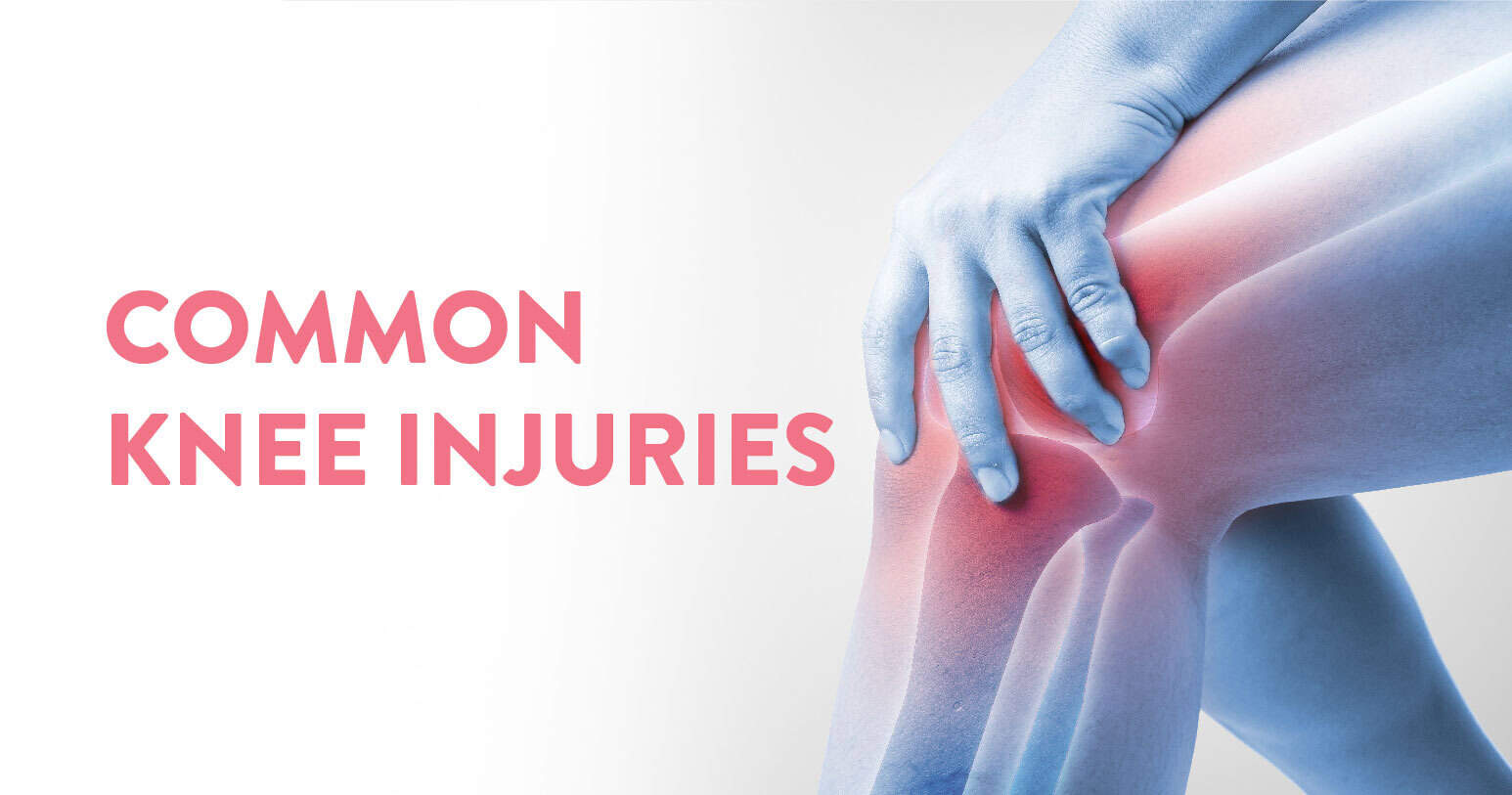
A knee injury can happen to anyone, from professional athletes to regular people. Whether a strenuous physical activity, an unfortunate fall, or a motor accident, common knee injuries can result from various circumstances.
Whatever the cause may be, knee injuries can lead to debilitating pain and hamper everyday life activities. If your knee is troubling you, you should act proactively to rule out anything serious.
Table of Contents
To understand what are knee injuries, let’s first understand the basic structure of the knee. Broadly speaking, the knee consists of bones, tendons, ligaments, and cartilage.
All these work together to provide stability and range of motion while performing various physical activities. The knee is considered to be injured when there’s trauma to any of these vital components.
Depending on the type and seriousness of the injury, anything from home care and treatment to surgery may be required.
You should consult a doctor and get your knee checked if you experience knee pain or suspect a knee injury. If these injuries aren’t treated on time, they can deteriorate over time and cause long-term damage.
Here are some common types of knee injuries described in more detail.
A fracture can happen in any knee bone, although it often occurs in the patella or kneecap. Significant trauma to the knee could result in a fracture, like during a fall or an accident.
Trauma to the knee when it’s in the bent position can injure the posterior cruciate ligament. This is possible during a vehicular accident or a fall.
This type of injury is common in sports activities where forceful motions like turning, twisting, or blocking are prevalent. These tears may also have age-related and degenerative causes.
An injury like a tear in the ACL is common in athletes but isn’t restricted to them. Sudden direction changes while moving or landing in the wrong position while jumping can cause ACL injuries.
These may require surgery, depending on the severity.
A partial or total misalignment of the knee bones is referred to as knee dislocation. The damaging impact caused by motor accidents or rigorous sports activities can lead to dislocation.
Sometimes dislocation may also result from existing structural abnormalities in the knee.
This condition occurs when the tendon between the shinbone and the kneecap suffers an injury that leads to inflammation. Excessive jumping movement is one common cause of patellar tendinitis.
There are many possible causes of knee injuries. It could be extreme trauma sustained during an accident or a physical sport.
Overstressing or improperly using the joint over time while playing a sport or even doing routine jobs can lead to knee issues. The degenerative effect of ageing on the knee joint can make it more vulnerable to injuries, even during regular movements.
If you have a prior history of a knee injury, then you’re at risk for future injuries.
While knee injuries symptoms are determined by the underlying cause of the injury, inflammation and pain in the area are some usual indicators to look out for.
Here are some general symptoms that can help you evaluate if your knee is injured:
The knee injuries diagnosis consists of different steps. When you approach your doctor for your knee injury, they’ll start by doing a physical exam.
Any visible or tangible symptoms like pain, bruising, inflammation, and tenderness will be noted. They’ll try to assess the mobility of your knee joint through various knee movements like extension, rotation, bending, etc.
Your doctor may order an imaging test to get a better look at the knee, like a CT scan, X-ray, and MRI. Additional tests like bloodwork and arthrocentesis may be ordered if your knee shows signs of an infection.
The knee injuries treatment covers a wide range of options. For some types of knee pain, medicines may be recommended.
Certain exercises or physiotherapy that increase the joint’s strength and flexibility may be advised to reduce the pain. Some injuries may need to be treated via procedures that include partial or total knee replacement, arthroscopy, osteotomy, kneecap replacement, aspiration, etc.
The initial self-care for a knee injury is also important. To start with, you should give complete rest to your knee to avoid aggravating it any further, including not rubbing or massaging it.
You can apply an ice pack to bring down the inflammation.
You should plan a visit to a trusted doctor to diagnose the exact problem and get the most suitable treatment for your knee injury.
For knee-related injuries, it’s best to get advice from a specialist immediately. An orthopedic physician or surgeon is the right person to approach and discuss your issue.
You should consult an orthopedist with an extensive background in treating knee injuries.
Taking some precautions in everyday life can help in avoiding stressing and injuring the knee. These precautions are all the more necessary if you play sports or participate in rigorous activities.
Proper warm-up before and adequate cool-down after any workout or sport is essential. Wear any necessary safety gear or equipment for your knees.
Be more mindful of your movements, avoiding any shock or stress to the knee.
It’s essential to be vigilant about the symptoms of a knee injury. Sometimes the injury may be mild and self-heal over time. Other times, however, it may be major enough to require surgery. Hence, you should seek medical attention to be safe.
Reach out to the CK Birla Hospital at Gurugram or book an appointment with Dr Ashwani Maichand to get the best consultation for your knee injury.
Q. How do I know if my knee injury is serious?
A. Some telltale signs of a problematic knee injury that needs urgent attention include redness, warm to touch, tenderness, swelling or inflammation, not being able to move the knee or lay weight on it, significant pain, etc.
Q. How do I know if I tore something in my knee?
A. When there’s a tear in your knee ligament, you might hear a pop sound at the time of the tear. Eventually, other symptoms like pain, discomfort, inflammation, and difficulty moving the knee may appear.
Q. How long do knee injuries take to heal?
A. The healing time for a knee injury depends on its type, severity, and treatment care. It can take anywhere from a few weeks to months. Following all recovery instructions is important to ensure proper and timely healing.
Q. What happens if a knee injury goes untreated?
A. If your knee injury is serious, then not getting it treated on time will only worsen it leaving you vulnerable to developing more injuries and chronic issues. Reach out to a specialist to explore the apt treatment options for your knee injury.

As you read this, India is competing for the top spot in the highest number of breast cancer patients in the world. As per multiple national and international surveys, 1 in 8 women are suffering from breast cancer. A majority of which are not even aware of having it grow in the body.
Table of Contents
Breast cancer contributes to over 1/5th of the total cancer fatalities in women. As with most cancers, early detection is the best defence. However, due to lack of awareness among women in different walks of life, most breast cancer cases are detected in the most advanced stages. Approximately, 60% of these cases can be eliminated if the cancer is detected at an early stage with the help of targeted treatment and surgery.
Breast cancer originates in the breast tissue where cells abnormally multiply to form a tumor (Metastasis). The disease is largely focused on women. It can happen to anyone, but is more likely for women who have:
Look out carefully for these warning signs:
Any of the above symptoms are sure shot indicators that you need to consult an oncologist. But in most early cases there are no tangible symptoms.
Early detection of breast cancer gives you a fighting chance against cancer. Since in the early stages the cancer symptoms do not surface, one should opt for regular breast examination and screening tests.
Screening test is a healthy practice to steer clear of chances of cancer.
– For women between ages 25-35, these can be done once in 3 months with a short self examination either by themselves or by a breast specialist.
– But for women above 35 clinical screenings become necessary as they are at a higher risk. This involves a yearly mammography or breast ultrasound and monthly self examinations.
Mammography is like a chest x-ray but only for the breast. These are very effective in locating early stage breast cancers including such cases where the symptoms surface years later. Those missed by a mammography are detected during ultrasound. The benefits of screening tests are:
Help is at hand, at the CK Birla Hospital, Punjabi Bagh. This October we are doing a Breast Cancer Awareness Drive, where we are offering up to 100% discount on our Breast Cancer Early Detection Package. This early bird offer includes Free Review by the leading Oncologists and Breast Cancer Specialists in Delhi NCR and a Free Mammography that will help in the early detection of breast cancer.
This offer is available to all the women who walk-in to our hospital all month, free of charge to ensure that more and more women across age groups are aware of the disease and its symptoms. Women are the backbone of our society, and it is our duty to protect them from unforeseen dangers, for together we #canbeatcancer.
Worldwide healthcare professionals are trying their best to find the ultimate cure to a fatal disease like cancer. This is a complex disease and requires consideration of various aspects, since it affects our bodies at the cellular level.
While every professional is an expert in their field, the technique and treatment plan will decide how much the patient can utilise the treatment and professional expertise. Finding the best course will help the patient lead a better quality of life.
Getting diagnosed with cancer is a life altering situation. Sometimes the news itself clouds our judgement and stops us from being optimistic. While it is vital that you get the treatment right at the very onset, second opinions ensure that you are making an informed decision about your body and life. With this you get to choose the latest therapy with the best possible chance of cancelling cancer.
In most cases where cancer is suspected a small sample is collected from the affected region. This abnormal tissue is extracted using a core needle and sent for biopsy. Post lab testing, if the results confirm cancer, you may seek a second opinion to re-confirm the diagnosis and suggested treatment.
You can always book an appointment with our oncologists by simply call our helpline (+911141592200)
When seeking a second opinion, make sure you disclose all the test results and findings with the specialist to first evaluate whether the first opinion was correct. Then you will ask the doctor whether an alternative or better approach is available for the stage of cancer and level of complications you might have.
To help those patients already diagnosed with breast cancer choose the right course of treatment we offer an independent and transparent approach at the CK Birla Hospital. During our ongoing Breast Cancer Awareness Drive we are offering a helping hand for all our patients, including those seeking second opinions.
We are always ready to serve you as your trusted healthcare partner.
At the CK Birla Hospital, we are committed to delivering the finest world class healthcare services to patients across multiple specialities. Which is why we are home to the best medical and surgical oncologists in Delhi NCR who believe in compassionate & restorative care. Each year our team helps women cancel cancer across age and nationalities.
Our Breast Centre is a dedicated unit offering comprehensive breast cancer treatment for all stages. We personalise your treatment plan based on your overall health, your symptoms and your history of the disease. Our treatment alternatives include surgical removal of cancer cells, chemotherapy, radiation therapy and immunotherapy.
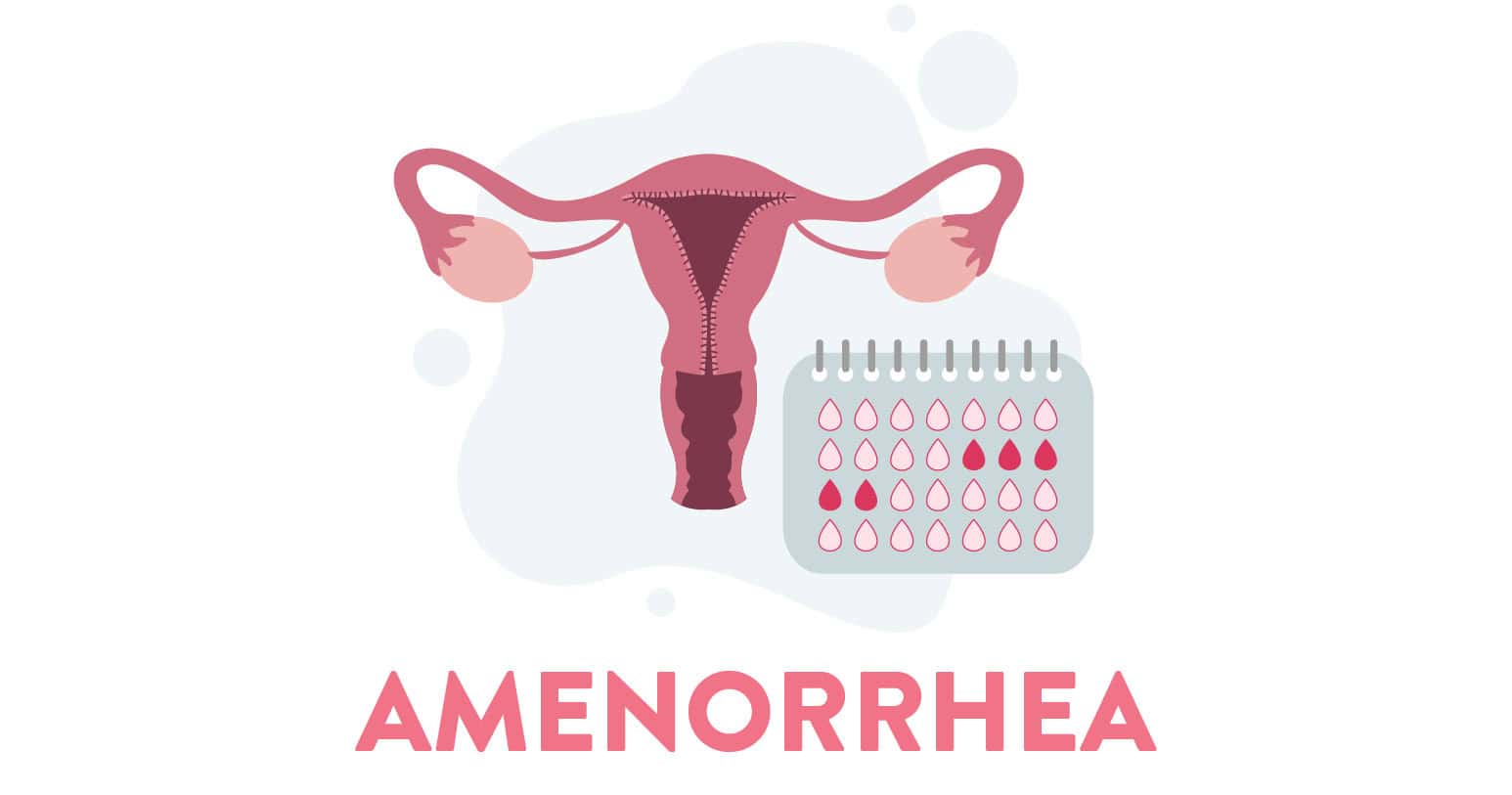
Table of Contents
Amenorrhea is a condition in which a woman does not get her periods at all or misses multiple periods. It can also be defined as the absence of menstrual periods. The two main types of amenorrhea are primary and secondary.
Amenorrhea is not dangerous, but it can lead to certain complications. These include:
There are different reasons for amenorrhea, as explained below:
Taking oral contraceptives can affect the menstrual cycle and periods. Even once you stop taking the birth control pills, it takes time for the normal menstrual cycle to return.
Certain medications can cause your periods to stop. These include:
Certain lifestyle factors can play a role in causing amenorrhea. These include:
Different kinds of conditions can cause hormonal problems or deficiencies. These include:
Structural issues with reproductive organs can also lead to amenorrhea. Examples include:
Amenorrhea can be caused by different factors based on the type.
Primary amenorrhea causes include:
The causes of secondary amenorrhea include:
Other causes of secondary amenorrhea can include:
The main symptom of amenorrhea is a lack of periods. Other amenorrhea symptoms include:
The risk factors of amenorrhea include the following:
If people in your family have amenorrhea or if there is a genetic history of it, you may be more likely to develop it. It is often caused by a change to the FMRI gene.
People who suffer from eating disorders like anorexia or bulimia are at an increased risk of getting this condition.
If you have had certain procedures to do with pregnancy or your uterus, the risk is higher.
These include lifestyle or weight issues such as excessive exercise and obesity.
Amenorrhea treatment usually depends on the underlying cause. Birth control pills or hormone treatments can help bring about the menstrual cycle in certain cases. If it is caused by thyroid or pituitary disorders, then medications may be required. If it is caused by a structural blockage or a tumour, then surgery may be required. In case it is caused by stress or weight gain or loss, your gynaecologist may suggest lifestyle changes as a part of the treatment.
Primary amenorrhea is often caused by a genetic condition called gonadal dysgenesis, in which the gonads (reproductive glands that produce hormones) do not develop properly. In some genetic disorders like Turner syndrome, patients need lifelong hormonal treatment.
Depending on your age and the results of physical exams and various tests, a gynaecologist may suggest ‘watchful waiting’ for primary amenorrhea. If required, this is accompanied by regular check-ups and ovary function tests to help determine the cause. Secondary amenorrhea is commonly treated with hormonal medications to reset the menstrual cycle. Estrogen replacement therapy is also used to balance hormones and revive the menstrual cycle.
Amenorrhea can be diagnosed by various tests. These include:
You can consult a doctor if you have missed several periods or if you have never had a menstrual period and are 15 years or older.
If you have missed multiple periods, it is best to visit a gynaecologist to find out if you have amenorrhea and what may be causing it. This condition can affect your fertility because it usually affects your ovulation cycles.
For the best gynaecological treatment and care, visit the CK Birla Hospital or book an appointment with
FAQs
Amenorrhea can be cured in most cases, depending on the cause. If the underlying cause is treatable, then it can be cured. However, if it is not treatable (such as a hormone issue caused by a uterus surgery), you may need to take hormone treatment for the rest of your reproductive years.
In most cases, you will not be able to get pregnant because lack of menses affects your ovulation cycle. However, it would depend on the specific cause of your amenorrhea.
Amenorrhea can last as long as the issue persists. However, if it is caused by a temporary factor such as pregnancy, stress, or lifestyle changes, it may resolve as soon as the situation changes.
Amenorrhea is not a disease, but it can be a symptom of underlying conditions such as hormonal, genetic, and structural issues.
In PCOS (polycystic ovary syndrome), amenorrhea is caused by high levels of certain hormones, usually male sex hormones. In people with PCOS, hormone levels are not the usual fluctuating levels as they are in the menstrual cycle.

Pubic lice (also known as crab louse) is an infestation of parasitic insects that attach their eggs to hair in the pubic area.
These lice are so tiny that you aren’t able to see them without the help of a magnifying lens, but they leave tell-tale symptoms such as itching and redness at the site of their bites.
Table of Contents
Pubic lice are tiny insects that live in the pubic region of your body. They feed on blood and can be passed from one person to another through sexual contact.
A pubic louse infestation is often called crabs because they look like small crabs or insects crawling around in the pubic region. If left untreated, it can cause symptoms such as redness, itching, and skin inflammation.
Pubic lice are caused by close contact with someone who is infested and can also be transmitted by sharing clothing or bedding.
Other risk factors for infection include sexual contact with an infected person or living in a household where someone has an infestation.
The most common symptom of pubic lice is itching in the genital area, but it’s important to remember that other conditions like jock itch, crabs, or pinworms could cause similar symptoms.
In order to determine if you have pubic lice, your healthcare provider will examine your genitals for sores or tiny nits (eggs).
Itching is the most common symptom of pubic louse infestations; however, this can vary depending on the degree of infestation and individual sensitivity to the pubic lice bites.
The bites themselves are not visible to the naked eye. They may be difficult to notice because they appear as tiny black specks on pubic hair.
Some people do not experience any symptoms at all, making it important for them to ask for medical attention if they suspect an infestation. Pubic lice can also cause rashes, sores, and a generalized feeling of discomfort.
Attempts to fight pubic lice with ordinary home remedies like shaving or bathing have no significant results. Lice easily outlive ordinary soap and water.
You can eliminate pubic lice by applying topical lotions and shampoos containing permethrin. For pregnant women and nursing mothers or for treating an infant for pubic lice, consult your doctor about the safety of using RID, Nix, and A-200.
Another option is to use a natural treatment such as tea tree oil. If you go with a non-pesticide product, avoid getting it on your eyes or nose; if you get some in these areas, flush them with water immediately.
After treatment for lice, you might have some eggs remaining in your hair, so make sure to carefully remove them with a pair of tweezers.
It is also necessary to decontaminate your home. Vacuum the entire house and clean the bathroom using a bleach solution.
You should use hot water to wash and dry all clothing, bedding, and towels, and make sure that all items are airtight. If you are unable to wash or dry clean an item of clothing, place it in an airtight plastic bag for 72 hours before washing it.
Here are some medications your doctor might prescribe:
It is important to remember that all methods of pubic lice treatment are temporary; the bugs can return if the infestation continues and proper hygiene is not maintained.
Close contact with an infected person is one of the most common risk factors for pubic louse infestation. It is also possible to get pubic lice from sharing clothes, bed linens, or towels used by an infected person.
However, since pubic lice can only survive a few hours off the human body, it is not possible to get the parasites merely from sharing furniture or toilet seats.
Pubic lice are also easily transmitted through sexual contact, so be mindful of this when engaging in sexual activity.
You should also check if you have any other symptoms, as they may be caused by another type of infection, such as a sexually transmitted disease (STD).
You should see a Lice Doctor if you have symptoms of a pubic louse infestation and are uncertain about the cause.
Your doctor can conduct a physical exam and diagnose your condition by looking at the part of your body that is infected. They may prescribe medication or recommend another form of treatment depending on the severity of the infestation.
If you are experiencing any symptoms of pubic lice infestation, visit the CK Birla Hospital or book an appointment with professional diagnosis and treatment.
It is important to speak with a medical professional about any concerns you may have. Our doctors will determine if/how you have been infected by identifying the type of louse and recommend the best course of action for treatment.
How do you get rid of pubic lice fast?
The most effective way to get rid of a pubic lice infestation is to use topical over-the-counter treatment. Other options include hot baths. Also, be sure to wash all your clothes and bedding in hot water with detergent.
Can you see pubic lice?
Pubic lice are too small to be seen without a magnifying glass. You will know if they’re present because you will experience itching, irritation and redness.
Does shaving help get rid of pubic lice?
No, it doesn’t. In fact, shaving may irritate the skin even more and make your symptoms worse.
Is pubic lice curable?
Yes. Most cases of pubic lice can be cured with topical treatment from over-the-counter medication. However, recurrence is possible if proper hygiene techniques aren’t followed (including taking hot showers).
What happens if pubic lice are left untreated?
If pubic lice aren’t treated quickly, it can lead to intense itching, skin inflammation and hair loss. Pregnant women should seek medical attention as soon as possible because this type of infestation could lead to complications during pregnancy.
Other risks include bacterial infections and the transmission of HIV/AIDS or hepatitis B virus through sexual activity.
What do pubic lice bites look like?
The typical signs of pubic lice bites are oval-shaped reddish spots. These spots often appear near the groin area and at creases on thighs, buttocks or around bra lines.

Do you remember your mother scolding you for not washing your hands properly before eating your food? One of the most common infections caused due to infections, parasites, and germs is dysentery disease. Hence, washing your hands properly with soap and water is important, especially before eating.
Table of Contents
Dysentery, also referred to as ‘bloody flux’ and ‘bloody diarrhoea’, is an infection of the intestine containing blood or mucus causing diarrhea. Majorly there are two types of dysentery:
Without proper and timely treatment, dysentery can prove to be fatal. If you notice symptoms of dysentery in yourself or the people around you, it is important to go to the hospital as soon as possible.
Shigella bacteria and Entamoeba parasite are the two major dysentery causes. People who live in warmer climates and do not have access to proper sanitization and hygiene practices are more prone to catching these bacteria and parasites.
Some other causes of dysentery and catching these bacteria and parasites are:

Some of the common dysentery symptoms are:
Once someone catches a dysentery infection, he/she might not show symptoms immediately. Symptoms will become visible in 1-2 days. If treated properly, the infection can be controlled in one week. If left untreated or diagnosed late, the situation can worsen with time.
If you are suffering from dysentery and visit a doctor, he/she will ask you a variety of questions. You will be expected to share your recent travel details, if any. Knowing your travel history will allow the doctor to diagnose your condition better.
Dysentery infections are known to travel with passengers from one country to another. Some of the countries which are very prone to dysentery and have a high rate of it are Mali, Angola, Pakistan, Madagascar, India, Zambia, Uganda, Gambia, etc.
Subsequently, the doctor will ask you to get some blood tests done along with collecting your stool sample. The stool sample will then be analysed in the laboratory to diagnose dysentery and its type.
Mild dysentery can be treated easily with medication and the intake of a lot of fluids. It is very important to follow oral rehydration to fight fatigue and dehydration.
In case of mild shigellosis, the doctor will recommend plenty of fluid intake, rest, and some painkillers to relieve abdominal cramping and body pain. In case of severe shigellosis, the doctor might prescribe some strong antibiotics.
Similarly, amoebic dysentery can also be treated with fluid, plenty of rest, and antibiotics. The doctor might prescribe drugs with salts like metronidazole and tinidazole to kill the parasites in the intestine. Additionally, in case of severe weakness and fatigue, doctors also prescribe intravenous drugs to combat dehydration.
With proper care and medication, dysentery can be treated easily. Only a few risk factors are associated with dysentery, which affects very few. Some of the possible risk factors are:
If you are experiencing symptoms like dizziness, fatigue, and abdominal pain after having mistakenly consumed contaminated food and water, we recommend you visit a healthcare provider as soon as possible.
Also, visit the hospital if you have just finished travelling and experience these symptoms immediately after. If diagnosed on time, dysentery can be easily cured. Once you have been diagnosed with dysentery, started taking proper medication and still cannot notice an improvement in your condition, visit the doctor again without any delay. He/she will treatment plan depending on the situation and what your body requires.
If you live in an infection and contamination-prone area, here are some preventive measures you can follow to prevent dysentery.
It is very important to take proper care while suffering from dysentery. Remember to follow preventive measures to stop the spread of dysentery infection. If you or your loved ones are suffering from dysentery and want to get immediate treatment, visit the CK Birla Hospital near you. Or you can also book an appointment with Dr ___ to treat your infection quickly and efficiently.
Q1. Can dysentery cause death?
Only if it is left untreated for a long time can it be fatal or cause other complications. Otherwise, dysentery is a very common infectious disease which can be cured with proper medication and symptoms.
Q2. Which food is good for dysentery?
It is recommended to avoid spicy and oily food in dysentery. Simple and bland food like bananas, white rice, boiled potatoes, porridge, and oatmeal is good food to eat while suffering from dysentery.
Q3. What is the difference between diarrhoea and dysentery?
Diarrhoea is a very common infection where patients just suffer from watery stool, whereas in dysentery, patients experience diarrhoea with inflammation of the intestines. The stool in dysentery infections can also have mucus and blood in it.
Q4. What can I do at home for dysentery?
Along with following prescribed medications, you can follow some simple home remedies for dysentery, like drinking a lot of fluids like coconut water, watermelon juice, green tea, etc. Also, rest your body properly and eat simple, bland food.
Q5. How can I stop dysentery and stomach pain?
It is preferable to ask your doctors to recommend some painkillers to stop abdominal pain and cramping during dysentery.

Table of Contents
Menorrhagia is a medical condition where you have painful menstrual periods accompanied by heavy bleeding.
Although bleeding is a normal occurrence with menstruation, the amount of blood is limited to perhaps two to three tablespoons (30-45 ml) a day. Bleeding more than this quantity is considered menorrhagia.
Menorrhagia symptoms include heavy, uncontrolled bleeding. This may occur from the onset of the first period, or it could develop later in life. You should consult your doctor if you have heavy periods or develop them at a later date.
If you have menorrhagia, you might exhibit the following menorrhagia signs and symptoms:
There can be multiple menorrhagia causes as follows:
Every month, your uterus wall builds up a lining. If you have a hormonal imbalance, the lining becomes thicker. When your uterus sheds this extra-thick lining, it can result in heavy bleeding.
The presence of polyps (growths) in your uterus can result in the development of fibroids (benign, non-cancerous tumours). The result can be heavier and longer menstrual periods.
An intrauterine device (IUD) is something a doctor inserts into your uterus for birth control purposes. You can find multiple types of IUDs.
While they are reasonably effective in preventing pregnancy, they can also create an imbalance in hormone levels, resulting in heavy bleeding during periods.
An ectopic pregnancy (pregnancy in the fallopian tubes) can cause heavy bleeding, which resembles menstrual bleeding. A miscarriage can also cause heavy bleeding.
Some people tend to bleed heavily if cut. It is due to the inability of the blood to clot in the event of an injury. If you have this condition, you are more likely to have heavier and longer periods.
Certain medications like blood thinners or anti-inflammatory drugs tend to give you heavy periods.
Many other health issues can give cause menorrhagia. You may experience heavy menstrual bleeding if you suffer from any of these medical conditions:
Any form of heavy blood loss can be dangerous. Heavy bleeding due to menorrhagia can lead to anaemia, a condition which occurs due to iron deficiency. It results in a drop in your hemoglobin, a red protein in the blood that aids in respiration.
Since menorrhagia can cause anaemia, which can be life-threatening, it can be dangerous.
Your doctor will recommend a particular line of menorrhagia treatment, which will depend on the extent of your problem and also its source:
Birth control medication can restore your hormones to their normal levels. You might also have to get an IUD that releases hormones, which can help correct your hormone levels.
Certain drugs can help stem your heavy menstrual flow. Your doctor might prescribe any of these drugs.
A common cause of vaginal or menstrual bleeding is the presence of fibroids. If you have polyps or fibroids in your uterus, your doctor might try to shrink them or surgically remove them.
This is a procedure involving scraping the outermost uterine layer. D&C has a high chance of success, but you might have to repeat the procedure later.
Here, the doctor removes the lining of your uterus permanently. It can result in lighter periods or no periods at all.
With certain extreme types of menorrhagia, a doctor will advise removing the uterus. This surgical procedure is called a hysterectomy.
After a hysterectomy, you will not get your period, but you cannot become pregnant either.
Your menorrhagia cure depends on its source. If it is caused by medication, simply discontinuing or changing the medication should suffice. If your menorrhagia symptoms include anaemia, you might have to take iron supplements.
Any of the lines of treatment mentioned earlier can cure menorrhagia. Sometimes, your heavy periods may subside on their own. But with suitable medical intervention, menorrhagia can be controlled if not cured.
Risk factors depend on your age and if you have other underlying medical issues or not.
Young girls on the verge of adolescence are more prone to puberty menorrhagia. Older women with uterine-related medical issues also tend to develop menorrhagia.
If you have excessive bleeding that continues for over a week or you experience bleeding intermittently between periods, you should seek medical help.
You should also do so if you are menopausal and continue to experience vaginal bleeding.
Your healthcare provider will diagnose your menorrhagia based on your response to the following questions:
You may also have to undergo a few tests as follows:
Menorrhagia is not necessarily a life-threatening disease. However, you shouldn’t neglect anything that involves heavy bleeding.
If you notice more than usual blood loss during your period, seek medical attention to find the reason for menorrhagia and get it treated.
Heavy periods can interfere with your emotional and physical well-being as well. It doesn’t have to be that way. You can contact the CK Birla Hospital or make an appointment with Dr. Deepika Aggarwal , who can help you get the best possible medical assistance with compassionate care.
If you experience heavy blood loss while menstruating, it can be serious. A common outcome of menorrhagia is anaemia. You should thus take it seriously and get appropriate treatment at the earliest.
Further, menorrhagia can interfere with your daily activities and peace of mind. It becomes a serious problem because it hampers your normal functioning.
The typical bleeding period for menstruation is four to five days. The blood loss is roughly two to three tablespoons (30-45 ml). If you have menorrhagia, the bleeding will last for more than seven days, and you can lose up to twice as much blood.
Yes, women with Polycystic Ovary Syndrome (PCOS) can also experience menorrhagia.
Menorrhagia is more like a symptom rather than a disease. It can occur due to hormonal imbalance, which can have adverse effects on pregnancy.
On the other hand, menorrhagia can occur due to other underlying medical conditions which can affect pregnancy.
There have been cases where menorrhagia has disappeared on its own. But since there is no means for the prevention of menorrhagia, it’s always advisable to seek medical help immediately and not delay to avoid further complications.

