Filter :
Table of Contents
Every part of our body is made of cells and tissues. The bone tissue, like all other tissues, keeps decaying and regenerating to keep our bones strong. The moment this process slows down, new bone tissues can’t keep up with the old decaying tissues, leading to the bones becoming fragile. This happens in the case of men and women, however, post-menopausal women are more susceptible to getting this than any other person. Osteoporosis is also linked to vitamin D deficiency, which also increases the fragility of our bones.
This disease is a silent assassin. The condition progresses internally without any symptoms or pain, and the only time it surfaces is when the bones undergo a fracture. But it can be prevented with timely treatment and diagnosis. But before we reach treatment options let us understand the causes and symptoms of osteoporosis.
Osteoporosis arrives silently and leaves colossal damage behind. In the initial stage, there are no distinguishable symptoms of bone or tissue loss. But over time when the bones become fragile the following symptoms start surfacing:
The symptoms are very basic, but the impact is deeply rooted as bone tissue takes time to repair in normal circumstances, with a reduced regeneration time, it takes twice the time to heal and repair, adding a greater burden on the patients.
The insides of a healthy bone resemble a sponge and are called trabecular bone. An outer hard shell of bone covers the inner spongy layer forming what is called the cortical bone. During osteoporosis, these sponge holes inside grow in number & size making the insides weak. These bones have a bigger role to support the body, protecting vital organs, and storing calcium and other minerals. When the body requires calcium, it breaks down the bone tissue and rebuilds it. Supplying the calcium needed for the body’s skeleton to stay strong.
To understand the causes behind osteoporosis we need to identify the people who are at a greater risk of developing the problem.
Now that we know the high-risk groups that can get the disease, our focus will move to the root causes that lead to osteoporosis.
Gradually with time, level of activity and age this mass keeps decaying faster than it is regenerated. Your likelihood of developing osteoporosis depends on the bone mass attained by your body in its youth. So the higher mass the lower the decay when you age.
Men undergoing prostate cancer treatment and women undergoing breast or gynae cancer treatments have reduced testosterone and oestrogen levels which are bound to accelerate bone mass loss drastically.
– Deficiency of calcium and Vitamin D will invite the disease. Lower calcium intake gives a diminished bone density, increased risk of fractures and early bone mass loss.
– Anorexia or bulimia like eating disorders can also lead to this. Severely restricting food intake weakens the bones.
– Steroids, especially corticosteroids when consumed over a prolonged period will lead to weaker bones.
– Bariatric or gastrointestinal surgery will reduce the size of your stomach leaving less surface area to absorb nutrients like calcium. This happens in rare cases since these corrective surgeries are done to rectify other gastro concerns.
– Sedentary lifestyle: Those who have to sit around all day gradually develop a lot of bone and vertebrae problems, increasing the risk of osteoporosis. More oxygen and circulation can prevent this.
– Too much consumption of alcohol & tobacco consumption in any form will also make your bones porous. Anything more than 2 alcoholic drinks in a day is not desirable.
Once you reach out to an orthopaedic, they will suggest the following tests based on the severity of your conditions and complaints.
Bone Density Scan: Since the problem lies in the internal decay of bones, the first step towards diagnosis is by running a bone density test. This is a painless test where low-intensity x-rays determine the mineral content in your bone. This is the most comprehensive test for the full body.
CT scan: Another internal imaging test that will give the physician a clearer picture of what is happening inside.
Bone Ultrasound: This is an imaging test done on specific bones in the body. This will help us understand exactly how deep the problem is.
The results from these imaging tests will help the orthopaedic form an opinion about the patient’s current condition and suggest a treatment route.
While most of our height and bone growth are attributed to genetics, we do not have much control over bone mass. However, we can make some necessary lifestyle adjustments to ensure our body steers clear of the disease.
In conclusion, the older we get the more our bones decay. The best way out is a healthy and disciplined lifestyle in the long run. However, not all of us can do this which is why ailments like osteoporosis start dictating our life and lifestyle. There is a way out and relief is just one consultation away. Reach out to the best Orthopaedic Surgeons in Delhi NCR, who will not only compassionately treat your pain points but also ensure you get a better quality of life for as long as you live. To book an appointment, call +911244570112.

Table of Contents
Influenza is a contagious respiratory illness, caused by the influenza virus, which infects our nose, throat, and lungs. This can be mild or severe, and if not treated timely can even lead to death. Due to its frequency and contagious nature, it is advised by most physicians to opt for a flu vaccine to stay protected.
Why is it so contagious? ENT experts say that the flu virus spreads in tiny droplets that come out every time an infected person coughs, sneezes, or talks. These droplets are easily airborne and land on the faces, especially the mouth or nose area, of people in close vicinity. If a person touches a surface with the flu virus on it and then touches their face with it, they can also get the virus. This was the same way the COVID-19 virus had spread, only the common flu or influenza virus is not so fatal if treated right.
Any healthy person can catch the flu virus. Some people are at a greater risk than others of catching it. Complications from the flu virus can happen at any age, but the following are more susceptible to getting it:
Now that we understand what influenza is, why it is contagious and who is at a greater risk of getting it, let us understand the causes of influenza.
The influenza virus is responsible for causing the flu. Influenza A, B and C are the most common types of flu viruses that infect people. While Influenza A & B are seasonal i.e., mostly occur around winter, Influenza C is not seasonal. However, the symptoms found under cases of Influenza A & B are much more severe compared to Influenza C.
Like all viral infections, when transmitted it only grows when our immunity is at its weakest. This is a highly contagious illness since it can be spread by touch and proximity. Any exchange of respiratory fluids will be able to trigger the virus in another person’s body. In most cases, we ignore the initial irritation that develops into full-grown symptoms of the flu. The key lies in proper prevention and maintenance of hygiene.
But how will you know which type has caused your illness? It will be found through a pathological test where a sample of your mucus will be collected from your nose. A long stick with a soft swab tip will be inserted in your nose to collect the mucus. The results will be given in 48 hours. This is similar to the RT PCR test done for COVID-19. This test is usually prescribed by your physician to identify the right course of treatment.
Flu symptoms arrive suddenly and multiply swiftly. If someone is sick, they can automatically spread the virus by touch or proximity. However, one can also spread the virus before they are aware that they have contracted the virus. It has been seen that people with the virus are most contagious in the first 72 hours from the onset of the illness. Having said that, people can transfer the virus even after 5 to seven days of contracting it. In this case, those who are infected are children or adults with weakened immune systems.
The symptoms start showing from the 2nd or 3rd day of catching the virus. Mostly the symptoms are similar to the common cold. But one or more of these are observed in flu patients too. Such as:
If the flu is not severe, then it will not be accompanied by fever. Fever is an indication that the virus has spread all over the respiratory system.
Flu starts small but can lead to very complicated and fatal outcomes if not treated properly. So the first step towards ensuring this is properly done, is to make sure we have some clear preventive measures in place.
If you are down with the flu or a loved one is down with it, and it is not a severe case, then you may do the following at home:
The influenza vaccine is helpful but not 100% effective. Therefore, it is important to take special measures to reduce the spread of infection.
To conclude, it is best to be prepared and protected during flu season. Adopt safety and hygiene practices to protect yourself and those around you. If you feel any of the symptoms mentioned above, seek proper medical attention to prevent the fatality and complications that may arise with severe flu. You can always reach out to the CK Birla Hospital or book an appointment with our ENT, Dr Kuldeep Grover to get treatment for all your respiratory health concerns.
Table of Contents
Pneumonia is an infection born out of inflammation in the air sacs of your lungs called alveoli. Alveoli are found at the end of the bronchioles or the joining air tubes of the lungs, where the circulating blood in our body exchanges oxygen and carbon dioxide every time we breathe in and out. When these are inflamed, in one or both of our lungs, these sacs start filling with pus or fluids. It leads to bouts of cough with phlegm or pus, often accompanied by fever or chills. Over time this blocks the air sacs causing breathing difficulty.
Pneumonia can vary between mild to life-threatening. However, it can be serious for :
This is an infection that spreads over an inflamed surface. This is the perfect breeding ground for a variety of organisms, like bacteria, viruses and fungi, which can all cause pneumonia. Of all the germs, airborne bacteria and viruses are the most common causes.
Our immune system is capable of dealing with this infection, but sometimes these germs can also overpower it despite having good health. We can classify pneumonia based on the germ that causes the infection and the place where it is acquired from.
Bacteria or Bacteria organisms: One lobe-inflamed pneumonia caused by streptococcus pneumoniae bacteria is called lobar pneumonia. Those experiencing illness, poor nutrition, old age, or impaired immunity are more susceptible to this. When both lobes are affected by the mycoplasma pneumonia bacteria it is called bronchial pneumonia. This is mild and does not require bed rest, hence referred to as Walking Pneumonia.
Virus or virus-like organisms: Various viruses can cause this, but almost 1/3rd of all cases are traced back to the flu (influenza) virus. Bacterial pneumonia can also develop in an existing viral infection. With the recent onset of the COVID-19 virus, pneumonia was a closely followed occurrence in the majority of cases. Viral pneumonia is very common in children.
Fungi: Fungal infection is common for people having chronic health problems and weak immune systems. It is also found in people with proximity to higher concentration of fungal matter. For example Fungi rich soil or bird droppings.
Community-acquired pneumonia: This is a community-based spread of the infection and is concentrated in areas where more people are suffering from the infection. This was a phenomenon we observed during the COVID-19 outbreak. Containment zones depicted where the infection was spreading more.
Hospital/ Healthcare acquired pneumonia: This can happen in two ways: during prolonged hospital stays due to or during daycare or outpatient treatments.
In the first case, the infection is acquired during hospital stays for ongoing treatment. The infection develops a higher resistance to antibiotics, due to pre-existing comorbidities for which the patient is undergoing a prolonged hospital stay. Usually, these patients have to be put on ventilation devices from which the infection travels.
In the second case, it is acquired from daycare procedure devices. For example, Dialysis or OPD treatment, assisted living facilities. These usually transmit from commonly used equipment.
Other ways of acquiring pneumonia:
When you inhale any type of food or drink, bodily fluids like the vomit or saliva of an infected patient into your lungs can also get pneumonia.
The symptoms are dependent on the germ causing the Pneumonia, your age and your level of immunity. While a newborn’s prominent symptom will be fever & vomiting, an older person might show increased weakness and lower body temperature. So every case will be different. The overall symptoms common to all forms of pneumonia are:
Bacterial pneumonia is more serious than others. Here symptoms surface with very high fever, excessive sweating, rapid change in pulse rate and pale or bluish lips and nail beds due to lack of oxygen. Lack of oxygen also makes these patients delirious.
Viral pneumonia develops over several days. Initial symptoms are like flu, which gets worse, with increased coughing, breathlessness and muscle pain. Fever will follow if the symptoms are not attended to.
Your recent health and travel history might be enough to diagnose pneumonia. In addition to this, an ENT or Pulmonologist will perform a physical examination. After assessing these the following tests will be performed:
Treatment is mostly given with home care and over-the-counter medicines. Bacterial pneumonia is treated with antibiotics, but viral pneumonia doesn’t have any specific treatment. Your doctor will prescribe medicines, rest, proper diet and fluid intake to bring your immunity back.
In severe cases, however, the doctor will ask you to get hospitalised for increased observation and targeted treatment. But prevention of pneumonia can help us avoid the disease at its source. Vaccines and flu shots are the best way to prevent pneumonia. A pneumococcal vaccine will protect you from bacterial pneumonia. These are a must for high-risk age groups.
Pneumonia affects each person differently. Some respond well to treatment, but others might be suffering from a much more fatal infection. In severe cases, the body develops complications which mixed with weak immunity, high blood sugar or cirrhosis can create further complications.
Q1. What are the 4 stages of pneumonia?
Q2. Do all patients with COVID-19 get pneumonia?
It has been observed that most patients who underwent a serious COVID diagnosis also developed pneumonia-like symptoms and further in fatal cases it led to severe complications similar to pneumonia which resulted in increased fatalities.
Q3. How long does it take for the lungs to heal after pneumonia?
It all depends on your level of immunity, the severity of pneumonia, your age and the time taken for recovery. In severe cases, it is very taxing upon the body to get back to its former glory since severe respiratory infections leave the person very weak.
In normal cases of pneumonia, which can be treated with home care and over-the-counter medication, the lungs recover back to health within two weeks.

Table of Contents
Air pollution by default indicates that your respiratory system is bound to be affected. But the effects are not limited to just that. Here are some of the aspects that will be impacted:
Impact on respiratory system: Through ambient air pollution, children and adults experience one or more of the following problems:
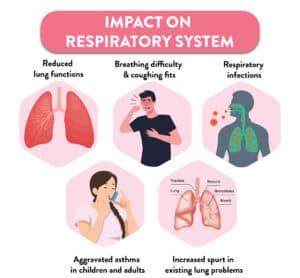
The World Health Organisation (WHO) in their pre-COVID research revealed that polluted air kills 600,000 children every year under the age of 15 due to lower respiratory infections.
The polluted air is laced with sulphates and black carbon. These aggravate asthma and even trigger cardiovascular problems.
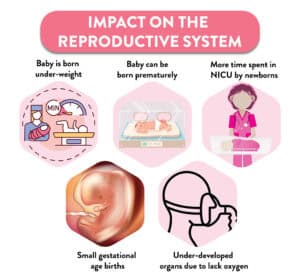
Impact on the reproductive system: Air pollution can impact pregnancies as well. Expectant mothers who are exposed to ambient air pollution are seen to develop complications. Pollutants increase the chances of inflammation. This impacts the placenta and blood vessels in it which are responsible for fetal growth. This leads to birth deformities in the newborn child:
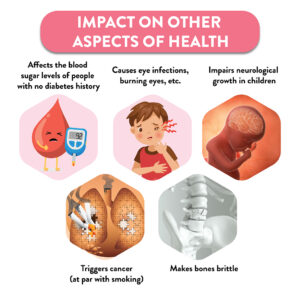
Impact on other aspects of health: Recent research suggests that ambient air pollution:
The next obvious question after reading all of the above is how you can prevent them. The first step to protection starts with you.
In the average daily intake of 40 mg/day, we should try and include:
To understand air pollution we need to understand the ways to measure it. Currently, pollution is measured by the Air Quantity Index or AQI. It considers five chief pollutants in the air such as PM10 & PM2.5, and their levels in the air. An AQI score of 401 to 500 is considered ‘severe’. Anything above 500 is declared a ‘severe-plus emergency.
Every year Delhi’s air quality becomes the headline of every newspaper in India and with good reason. Post-Diwali pollution remains severely high with the addition of the impact of crop burning in neighbouring states. You can check your AQI real-time online on https://www.aqi.in/
Now that we know the impact, the preventive measures and the level of pollution in the area, the next step involves taking proactive measures to make a holistic impact in managing the environmental changes.
Charity begins at home. So take the first step to ensure everyone breathes easier.
It is always a good thing to stay alert. If you or your loved ones are affected by the exposure to smog or pollution these are the things you must do:
If you have come this far into the article, take a deep breath. The World Health Organization (WHO) says air pollution is the leading cause of death in India, alongside high blood pressure and smoking.
While we cannot make overnight changes on policy levels, we can however try and make some efforts on our levels to ensure we are protected from the ill effects of air pollution and hope for improvements in the long run. A healthy optimised diet, protection and safe practices will ensure that you can stay unaffected for a longer time.
In case you have any kind of concerns regarding your respiratory health or are experiencing any discomfort in breathing or chest pain, do reach out to our team at the CK Birla Hospital or book an appointment with Dr Kuldeep Grover.
Q1. How to stay protected from air pollution?
Look up the AQI level of your area.
Whenever you face trouble or problems in respiration, make sure you seek medical help immediately.
Q2. How to reduce exposure to air pollution?
Q3. How to reduce the health effects of air pollution?
Air pollution can affect different age groups differently. However, the highest risk lies for children, expectant mothers, senior citizens and patients with pre-existing respiratory disorders.
Table of Contents
Who doesn’t like a breath of fresh air? And if you’re in Delhi NCR, rest assured it is on top of all the things you want all year round. But situations around us often do not allow us to breathe easily despite leading a healthy life. The top reasons for this are:
If the above list is triggering you in any way, then just follow the simple mantra that pulmonary rehab specialists tell all their patients: Out with the stale old air, in with fresh new air. Keep repeating this until you’re breathing easy again. See how that escalated? Now coming back to the question: what is the need for breathing exercises? The simple answer is that it ensures our lungs receive and circulate enough oxygen in our body efficiently. This will in turn improve your blood flow and keep all your muscles and your heart healthy for a long time.
First, let’s understand how breathing works. With healthy lungs and respiratory systems, breathing is effortless. When you breathe in, notice how your stomach lifts up and goes down when you breathe out. That is not your stomach but your diaphragm. It is responsible for 80% of the entire breathing process. So it takes in the air and spreads the oxygen to the lungs and sends out the waste air or carbon dioxide.
Now let us understand how the breathing problem starts. Over time, due to reasons stated earlier, the stale air builds up, leaving limited room for the diaphragm to contract and let in fresh oxygen. With the diaphragm not giving the capacity it should, the body relies on the neck, back and chest to breathe right. But you can’t make a fish fly. So gradually the oxygen levels lower further, making us more lethargic and tired, leaving less reserve for exercise and activity.
To make sure the above does not happen or the chances of it are reduced significantly, we must practice regular breathing exercises to help our lungs get rid of accumulated stale air, maintain optimum oxygen levels and keep the diaphragm healthy and pumping for a long time.
Advantages: Reduces the number of breaths, keeps your airways clear longer, ensures frequency of inhaling more fresh air and improves oxygen and carbon dioxide exchange.
Who can do it: Basic exercise for all beginners. Do it at least 5 to 10 times per day
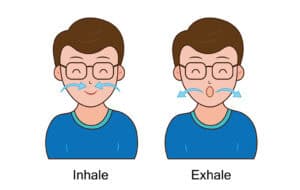
How to do it: Simply count to 3 to inhale through your nose and count 6 to exhale through your mouth by pursing your lips.
Advantages: Helps inhale more air, keeps your diaphragm muscles good, improves lung capacity
Who can do it: This is particularly suited for people with chronic obstructive pulmonary disease (COPD). In their case, the diaphragm is weak and needs to be strengthened.
How to do it: Simply count to 5 to inhale through your nose and breathe out through your mouth as you count to 8. Make sure your belly fills up with air. Put a lightweight item on your belly, to observe that it rises and falls with every breath.
Note: Keep your neck and shoulders relaxed to ensure your diaphragm gets the right support. Perform this technique when feeling rested.
Advantages: Helps ease your air passage especially if you suffer from asthma.
Who can do it: Anyone can do this. It is particularly suited for people with asthma problems. Studies suggest that mouth breathing leads to severe asthma symptoms. Breathing through the nose adds warmth and humidity to what you inhale keeping a check on this.
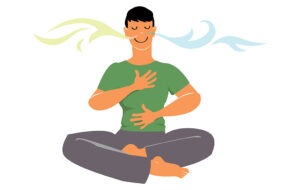
How to do it: Same as normal deep breathing. Just breathe in and out from your nose.
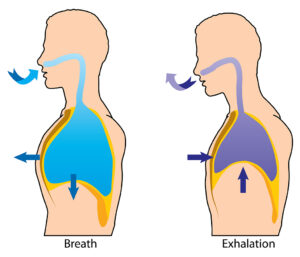
Advantages: Helps manage stress, anxiety attacks and asthmatic tendencies.
Who can do it: Asthma patients. This is an old relaxation training technique. It teaches you how to breathe slowly and steadily from your diaphragm to your nose.
How to do it: It combines diaphragmatic breathing with relaxation techniques and exercises to improve an asthma patient’s quality of life.
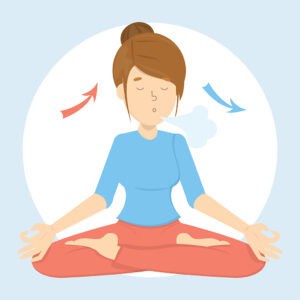
Advantages: Helps manage stress, anxiety attacks and asthmatic tendencies.
Who can do it: Asthma patients. This is ideal to manage tendencies of hyperventilation and help get off medication.
How to do it: This is a slow breathing technique with a control pause and maximum pause. Straighten your spine. Exhale and hold your breath. With your index finger and thumb, plug your nose till you get the urge to inhale again. This is the control pause. Now take 10 normal breaths. Try repeating the control pause for twice as long. This is the maximum pause. Follow it with 10 more normal breaths.

Advantages: Improves lung function and controls asthma
Who can do it: Primarily asthma patients, but applicable to all.
How to do it: Yoga combines movement with deep breathing. This has to be done under proper guidance by a yoga instructor. Patients recovering from respiratory disorders greatly benefit from rehabilitating their lungs.

Advantages: Improves performance and concentration, and helps reduce stress.
Who can do it: Hugely beneficial to people with COPD and those in high-performance jobs like sports or the armed forces.
How to do it: Often called square breathing, it is a technique of taking slow, deep breaths. Sit with your spine straight. Inhale on a count of 4, hold your breath till you count another 4, then exhale on the count of 4 and hold your breath again, for equal counts. This is called Sama Vritti, or equal breathing.
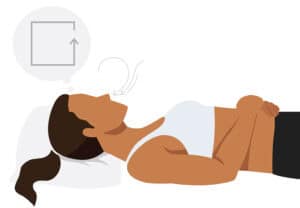
Improved Lung Capacity: First let us understand what we mean when we say the term low lung capacity.
Low lung capacity is the lowered capability of the lungs to hold air in them. The primary cause of this is ageing, as our bodies tend to slow down all functions over time. Other potential causes can be:
Normal lung capacity changes from time to time, throughout our lives. However, the maximum lung capacity can be up to 6 litres. A pulmonologist will measure your lung capacity using a spirometry test. The levels will show whether your lungs are healthy or if there are indications of asthma, COPD and other breathing disorders.
To ensure you have a good spirometry outcome practice breathing exercises, improve lung capacity and breathe easy. It usually takes weeks of regular exercise to see an improvement. The more disciplined you are the better your outcomes.
Prevention is always better. Exercises help when you make subtle lifestyle changes to support it. This way you can keep your lungs healthy for a longer time.
In conclusion, these are all preventive measures to help protect and rehabilitate your lungs to stay healthy and functioning. However, in case of any kind of problem do get proper medical advice from a professional ENT or Pulmonologist. If you have any concerns regarding your respiratory health do reach out to us at the CK Birla Hospital or book an appointment with Dr. Kuldeep Grover.
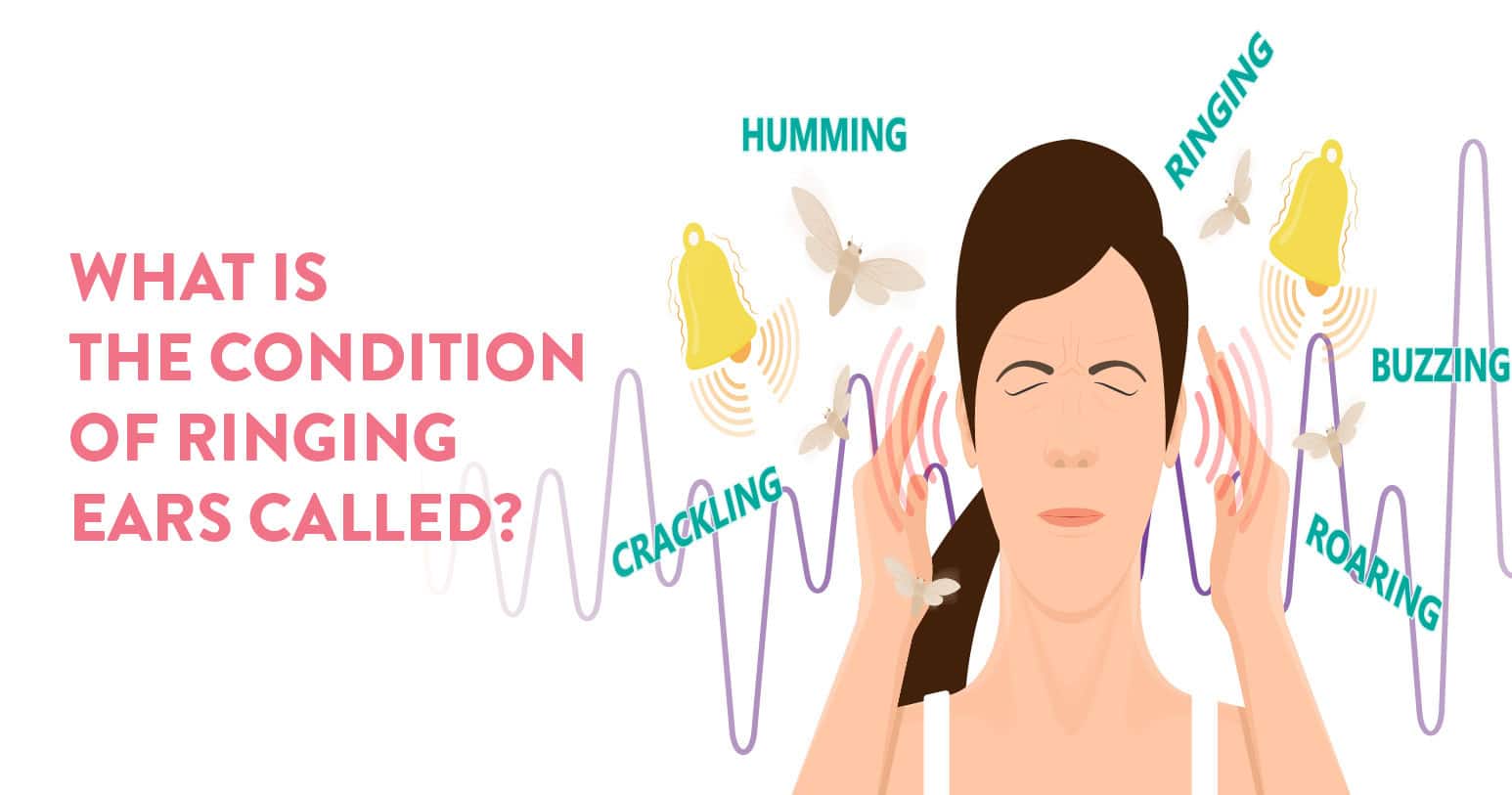
Are you suddenly hearing noises in your ears that you did not hear before? Are these just voices in your head and nobody else is hearing them? Then your body might just be crying out for help as you might be showing symptoms of hearing loss, middle ear infection or Meniere’s Disease. This is a condition and a symptom of a bigger concern. To understand your problem better, read on…
Table of Contents
This condition can be permanent or recurring, as it can come and go. Most people have subjective tinnitus, which means these are noises which only you can hear. These may be low-pitched or high-pitched, in one ear or both ears. But mostly it impacts one’s ability to concentrate or pay attention to external sounds.
In some rare cases, the noise is linked to your pulse rhythm. That means you will hear a pulse or whoosh with every heartbeat. This is referred to as objective or pulsatile tinnitus and can be heard by your physician when they examine you.
Having prolonged exposure to loud noises is a common cause of tinnitus or ringing of the ears. The noise can cause permanent damage to the cochlea in our inner ear because the cells in this region are sensitive to noise. This can be an occupational hazard for carpenters, musicians, pilots, etc. who are repeatedly exposed to loud sounds. A single exposure to loud noise from headphones can also cause tinnitus.
Hearing loss caused due to the above can also be a cause of tinnitus. Inside our inner ear are tiny, delicate hair cells that move when it receives sound waves. This triggers signals from your ear to your brain (auditory nerve), which in turn interprets these signals as sounds. If these hairs become bent or broken, due to ageing or constant exposure to loud noises, they can leak random signals to your brain making you hear hissing or similar kinds of noises.
Some other causes of tinnitus can be:
Whatever the symptom, excessive stress and lack of sleep can worsen the condition and lead to complications. This also includes excessive consumption of alcohol, caffeine or caffeinated drinks. Existing health conditions can also worsen with tinnitus.
If any of the above problems exist then it is advisable to visit an ENT specialist and get your ears checked. Otherwise, if you have had an upper respiratory infection, like a common cold, and the ringing in the ears doesn’t subside in a week, then definitely seek medical help.
Apart from these, there are some other reasons why tinnitus can happen. So ask yourself the following questions:
High blood pressure makes you more likely to develop tinnitus. In these kinds of patients, an associated underlying condition of narrowing arteries, called atherosclerosis is also found. This can also lead to ringing in the ears and has a far deeper impact than it seems on the surface.
Alcohol levels can also impact your ears. When you consume too much, your nerves go for a toss impacting your hearing. Cut back on your consumption and it will make a difference.
When your nerves are affected by anxiety or depression, it can trigger tinnitus. Try to relax or opt for therapy or yoga. This will not only help you manage the condition but also improve your overall health.
The treatment will depend on the actual cause.
In all other cases, one might prescribe hearing aids and other such options that will help control and contain the condition. It must be kept in mind that tinnitus once found does not go away. It can’t be eliminated but can definitely be managed with proper supervision.
At the CK Birla Hospital, we ensure patients get their problems addressed in the most cost-effective and convenient way. This is why our patient-oriented approach makes us the most preferred healthcare service provider in Delhi NCR. To ensure your ears are fine, book a consultation with the best ENT in Delhi NCR. Call now to book an appointment.
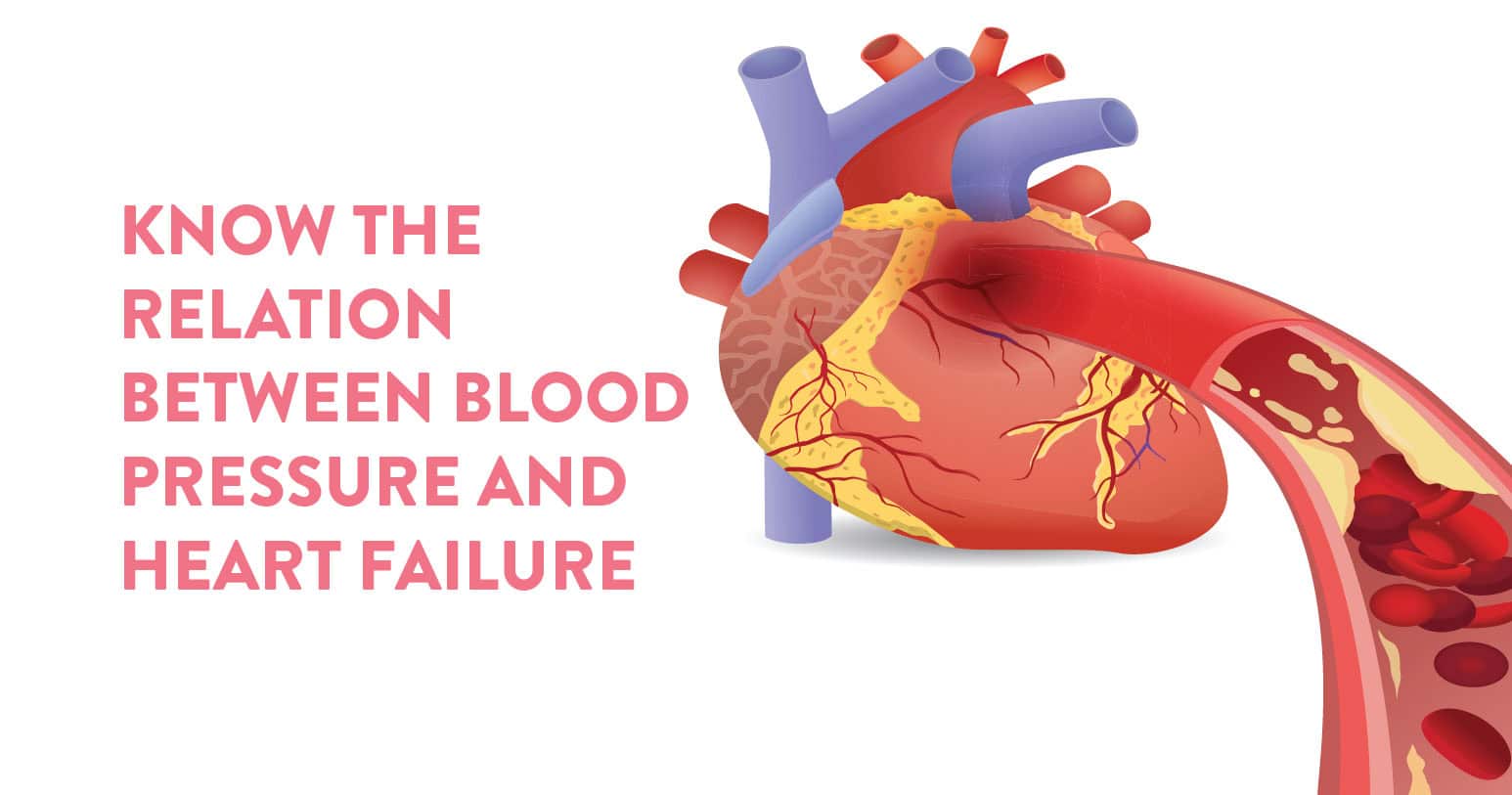
One of the most commonly heard concerns in every family is blood pressure. Everyone has at least once in their life got their blood pressure checked. And on today’s date, almost every person has a family member who suffers from high or low blood pressure. In most cases a fluctuation is temporary and stabilizes easily. However, those who suffer from consistently high blood pressure need to be extra careful and monitor the same to avoid major health complications like cardiovascular diseases.
Table of Contents
For the uninitiated, let us understand what blood pressure is, and why it is so vital for our overall health. It is the natural force that helps circulate blood through the veins into our organs. It is what drives the circulatory system in our bodies. With this force it moves around a lot of vital things in our bodies.
Simply put, the pumping action of your heart creates pressure by forcing blood out with every contraction. Blood pressure is highest at the origin, i.e., the heart. Thereafter it keeps lowering as it moves to the aorta and eventually the smaller branches of arteries. This is how blood flows and pressure ensures it reaches every end of our body.
Arteries in the circulatory system act like pipes, restricting them will increase the pressure where blood is stuck or restricted in the artery. With the flexible walls of the arteries, the blood pressure will drop faster as it pumps away from the heart. Therefore, the condition of the arteries will decide the blood pressure levels. Which means narrowed arteries can block the supply of blood completely, resulting in a stroke or heart attack.
The ideal blood pressure level for a normal healthy person is 120 systolic pressure by 80 diastolic pressure, i.e.,120 over 80 mm Hg. The systolic pressure is always a higher figure, and caused by the heart’s contraction. The diastolic number is the lower pressure denoting the brief resting periods between heartbeats. Anything beyond these levels would be a cause of concern.
Any treatment at an earlier stage, should be through lifestyle changes and monitoring levels of blood pressure regularly. In case of high blood pressure, these lifestyle changes can reduce the dosage of medication:
Apart from these, the best medicine to manage your blood pressure will be prescribed by your physician.
With age our body undergoes a lot of changes. As the vascular system ages, arteries get stiffer, which in turn shoots up blood pressure. This can happen to anyone, which is why blood pressure is often called “the silent killer,” for the symptoms almost never surface.
In old people blood pressure cannot be controlled with lifestyle changes and medication, it can lead to serious health problems, including cardiovascular disease (such as heart disease and stroke), vascular dementia, eye problems, and kidney disease. The good news is that blood pressure can be controlled in most people.
Blood pressure affects our bodies in more ways than we know. The biggest impact falls on our arteries that help the blood to pass. With an unhealthy lifestyle and age the arteries lose their agility creating a complete blockage of blood supply to and from the heart. This in extreme circumstances leads to heart failure, as the heart fails to pump any more blood. Regular monitoring will help you save yourself from blood pressure. In case of any medical assistance for the same, reach out to Dr…… at the CK Birla Hospital, Gurugram for a proper treatment plan to monitor and control your blood pressure.

Before understanding what spinal arthritis is, let’s understand the meaning of arthritis first. The term arthritis has been derived from two Greek words – ‘arthros’ and ‘itis’. The former means joint, and the latter means inflammation.
Table of Contents
Spinal arthritis is simply the inflammation of the facet joints of the spine. It usually happens due to wear and tear of the spinal bones. Hence, it often affects your back and neck.
There are many types of spinal arthritis, such as:
Spinal arthritis symptoms can differ from one individual to another. Generally, they consist of the following:
Joint motion is made possible by sturdy, slick cartilage tissue. However, due to wear and tear, the cartilage wears down, leading to bone rubbing against bone.
This further affects joint motion and results in the deterioration of the connective tissues that keep the spinal joints together and connect muscles to bones.
Eventually, as a result, the spinal joint lining becomes inflamed and causes spinal arthritis. Other than this, autoimmune triggers and heredity can also cause spinal arthritis.
The following risk factors can also elevate your probability of suffering from spinal arthritis:
To diagnose spinal arthritis, your doctor will examine the details of your medical history.
Further, they will ask about the symptoms you are experiencing and perform a physical exam. The latter is done to check for soreness, stiffness, and swelling in your back.
Other than this, they might perform tests like:
Though there is no definite spinal arthritis cure, some treatments do exist and help manage this kind of arthritis.
For mild to moderate level cases, spinal arthritis treatment includes:
For severe-level cases of spinal arthritis, the only treatment options are the following:
With just a few changes in your life, you can prevent yourself, to a great extent, from suffering from spinal arthritis. These changes include:
Spinal arthritis is a condition wherein spinal joints become inflamed, usually because of wear and tear as you advance in age.
This condition can be very painful and involve swelling up of spinal joints, stiffness of the spine, fatigue, etc. It, thus, makes reaching out to a doctor or rheumatologist extremely necessary.
Our team at the Department of Rheumatology at the CK Birla Hospital understands how excruciating spinal arthritis can feel. Which is why we use the latest innovations in treatment and ensure customised treatment plans that are ideal for your treatment.
So, if you ever experience the symptoms of spinal arthritis, reach out to us at the CK Birla Hospital or book an appointment with Dr Rajiv Ranjan Kumar for a timely diagnosis and treatment.
Q. Is spinal arthritis common?
Ans. Spinal arthritis is pretty common. For example, according to research conducted by the National Library of Medicine, arthritis of the spine affects about 28% of females and more than 29% of males in the US.
Q. What does spinal arthritis feel like?
Ans. Spinal arthritis manifests through symptoms like severe back pain, overwhelming fatigue, limited motion of the spine, swelling or soreness in spinal joints and muscles, etc.
Q. Is walking good for spinal arthritis?
Ans. Yes. Walking is beneficial for spinal arthritis because it’s a low-impact exercise that aids in restoring the flexibility of your spinal joints and further keeping your spinal bones healthy.
Q. Is spinal arthritis a disability?
Ans. Spinal arthritis can be considered a disability because it limits the flexibility of your spine, and the excruciating pain associated with this condition can restrict you from performing day-to-day tasks.
Q. What kind of doctor treats arthritis of the spine?
Ans. Rheumatologists are doctors who specialise in treating illnesses that involve your joints, muscles, and bones. Thus, rheumatologists are the doctors who treat arthritis of the spine.
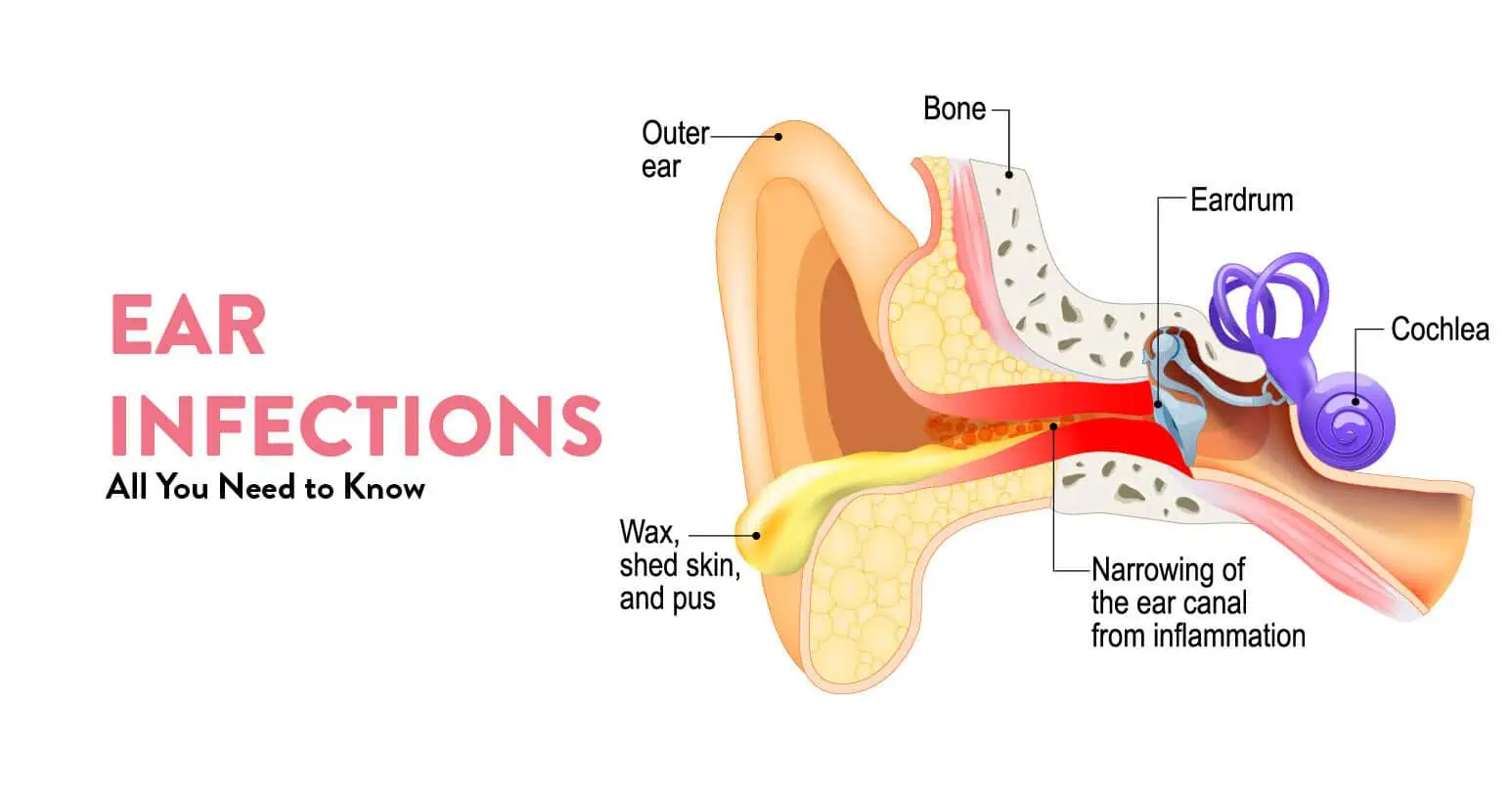
Having nagging ear pain? Suddenly have a weird itch inside the ear which won’t go away? Do your ears start ringing or paining abruptly? In addition to the pain, your child or you now have a fever also. This might just be due to an ear infection.
Ear infections are very common and can happen all around the year. It can happen at any age and is especially difficult to identify in toddlers because they can’t bear the pain and neither can they tell us their problems. In most cases, antibiotics are the best solution.
But what causes ear infections and how can we deal with them? To learn all about this read what our ear nose and throat experts have to say.
Table of Contents
An ear infection is usually bacterial or viral. It grows mostly around the middle ear, or the place behind your eardrums, and sometimes in the inner or outer ear. Infections mostly clear up on their own unless they involve a lot of pain, inflammation or fluid buildup.
Based on the extent of the infection, they can be classified as chronic or acute.
Broadly we can categorize ear infections under the following heads:
Ear infections are mainly caused due to a virus or a bacteria that ends up blocking your Eustachian tubes, leading to fluid build-up in the middle ear. Eustachian tubes run from one ear to another and hit the back of your throat.
| Causes of blocked Eustachian Tube: |
| Allergies: seasonal or otherwise |
| Cold & sinus infections: Flu or adenoid infection |
| Excessive mucus accumulations around the area |
| Excess or chain smoking |
| Alterations in the level of air pressure |
Infected adenoids (in children & adolescents) are another cause of eustachian blockages that ultimately cause ear infections. Adenoids are mainly nature’s way of building immunity in children. It starts developing around ages 2-3 years and disappears on its own by the time they reach adolescence. These act as filters to prevent the body from viral or bacterial infections that can be swallowed by children at a young age. In severe cases where they get infected, the infection tends to spread to the tonsils and other adjoining glands.
Who is at risk of getting ear infections? Mostly children since they have short and narrow Eustachian tubes. Of these, those infants who are being breastfed or bottle fed also have a high risk of getting these.
Apart from this, the following may also be the first point of contact that leads to ear infections:
The ear is a very vital but small organ, hence it will not be able to conceal discomfort for too long. The common symptoms of ear infections will be:
These symptoms might come and go or may happen in either or both ears and can last between 3 days to even a week.
In children, additional symptoms will include:
You Can Also Read: Ear Bleeding – Causes and Treatment
Consult an ENT specialist who will consider your symptoms, examine your ears with an otoscope and identify the cause of the problem. If the condition requires further investigation a few tests may be prescribed depending on the case:
Potential complications of an ear infection
Ear infections can clear up without any medical intervention, but the flip side is that they tend to keep coming back. So while the complications in most cases do not exist, in acute cases the following might be possible:
There are various treatment options available, but it all depends upon the nature of the infection and its severity. Some at-home treatments to manage infections till you get medical help are:
In conclusion, ear infections are mostly mild but can lead to severe outcomes if not addressed promptly. If you are currently facing issues, book an appointment immediately and reach out to the ENT Department at the CK Birla Hospital.
Ear infections occur in your middle ear, in the area which is behind your eardrum. Most clear up within 3-4 days, but recurring or severe infections may need a course of antibiotics.
Yes. Drinking water can help as it helps clear out the Eustachian tube blockage temporarily due to movement of the jaw and throat cavity.
A hot shower and hot compress help in case of painful ear infections. However, be extra careful that no water or fluid enters the middle ear in the process.
Place a hot compress on the infected year and sleep on the side to keep the compress in place. The warmth will add some form of relief. Keep the ear covered till the problem is solved.

