Filter :

Spotting before menstruation, commonly known as “premenstrual spotting,” is a frequent occurrence for women.
This blog aims to shed light on its causes, symptoms, and implications. Understanding premenstrual spotting can help you navigate your menstrual cycle confidently, prioritise reproductive health, and know when to seek medical advice.
Table of Contents
Spotting is light vaginal bleeding outside your regular period, often with small amounts of blood. It may appear in underwear or on toilet paper after using the restroom. A panty liner usually suffices for protection, not a pad or tampon.
Any bleeding outside your period is abnormal vaginal bleeding (intermenstrual). While it can indicate serious issues occasionally, it’s usually harmless. Consult a doctor if concerned about spotting between periods.
Experiencing spotting before your period can occur due to various factors, such as:
Approximately 15-25% of pregnant individuals may notice light pink, red, or brown spotting in the first trimester. While spotting is common, contact a doctor if it becomes heavy or is accompanied by pelvic pain, potentially indicating complications.
Hormonal birth control methods like pills, patches, injections, rings, or implants can lead to spotting, especially when initiating, altering, or missing doses. Consult a doctor if symptoms persist.
Around 4.8% of menstruating women may experience ovulation-related spotting, occurring approximately 14 days before menstruation. Recognizing these signs can aid in conceiving.
During the transition to menopause, irregular periods, spotting, or variations in flow are common.
While spotting is not a typical cancer symptom, certain types, like endometrial, cervical, ovarian, or vaginal cancer, can cause abnormal bleeding or spotting, especially post-menopause.
This occurs when a fertilised egg attaches to the uterine lining, causing light pink to dark brown spotting a few days before the expected period. Seek medical attention if heavy bleeding occurs during pregnancy.
Vaginal or cervical trauma, such as rough sex, tampon use, or pelvic exams, can lead to irregular spotting.
Cervical or uterine polyps may cause spotting, light bleeding after sex, or unusual discharge. Consult a doctor if symptoms persist.
Sexually transmitted infections like chlamydia or gonorrhoea can result in spotting, along with other symptoms. Early treatment is vital.
Abnormal bleeding between periods is a common PID symptom, potentially requiring antibiotics for treatment.
Uterine fibroids may lead to spotting between periods, heavier menstrual flow, pelvic pain, and urinary issues.
Endometriosis can cause spotting, along with pelvic pain, heavy periods, painful intercourse, and other symptoms.
Irregular bleeding is a sign of PCOS, which can also affect fertility and manifest in various other symptoms.
High levels of physical or emotional stress may result in vaginal spotting.
Some drugs, such as blood thinners, thyroid medications, or hormonal drugs, may lead to abnormal vaginal bleeding. Consult your doctor for alternatives.
Hypothyroidism, characterised by an underactive thyroid, can cause spotting after menstruation. Hormone therapy may be necessary.
Spotting can have multiple causes, so consult a healthcare professional for an accurate diagnosis and appropriate treatment if necessary.
You Can Also Read: Brown Vaginal Discharge
Distinguishing between spotting and the bleeding encountered during menstruation is essential.
Spotting, in general:
On the other hand, menstrual bleeding:
If you’re in your reproductive years and suspect pregnancy, use an at-home hCG test to check. If you see a positive result, then it is advisable to consult an obstetrician-gynaecologist for confirmation.
If it’s negative but your period is more than a week late, seek a doctor’s evaluation. They can investigate potential underlying conditions causing the delay.
Monitoring hCG levels in your urine is a reliable way to detect pregnancy, but a medical consultation is essential for both positive and negative results if there are unusual menstrual changes.
If you notice unexplained spotting between periods, consult a doctor as it could indicate a serious issue.
Keep track of spotting and accompanying symptoms for the doctor’s evaluation.
Seek immediate medical attention if spotting is accompanied by:
Postmenopausal spotting also warrants a doctor’s visit.
Diagnostic procedures may include:
Early intervention is crucial for prompt treatment and management of any potential health concerns.
To minimise spotting before menstruation, consider the following strategies:
You Can Also Read: How to know You have Vaginitis?
Spotting before menstruation has diverse causes, with treatment options depending on the underlying issue. Here are common reasons and their treatments:
Fluctuations in oestrogen and progesterone levels can lead to spotting before menstruation. Treatment may involve hormonal therapy to regulate hormone levels, such as birth control pills or hormone replacement therapy.
Stress can disrupt hormonal balance and lead to spotting. Managing stress through relaxation techniques, exercise, and counselling may help alleviate symptoms.
These non-cancerous growths in the uterus can cause spotting before menstruation. Treatment options may include medication to shrink the fibroids, surgical removal, or procedures like uterine artery embolization.
PCOS can cause irregular periods and spotting. Treatment may involve lifestyle changes such as weight loss, medication to regulate menstrual cycles, or fertility treatments if pregnancy is desired.
This disorder develops when uterine lining-like tissue grows outside the uterus. Treatment may involve pain management medication, hormone therapy, or surgery to remove the abnormal tissue.
An infection of the reproductive organs, usually caused by sexually transmitted bacteria, can lead to spotting and other symptoms. Treatment typically involves antibiotics to clear the infection.
These growths on the cervix or inside the uterus can cause spotting. Treatment may involve surgical removal of the polyps.
Some women may experience spotting during ovulation, which is normal and typically does not require treatment.
It’s essential to consult a healthcare provider for an accurate diagnosis and appropriate treatment plan tailored to your specific needs and medical history.
Spotting before menstruation is a common occurrence with various potential causes, including hormonal fluctuations, stress, or underlying health issues. Monitoring patterns and pursuing professional help if concerns arise is crucial. It is always advisable to seek medical help from an experienced gynaecologist. Timely care and help can ensure an appropriate diagnosis and treatment of your condition.
At the CK Birla Hospital, we ensure patients get holistic medical support which includes treatment in a compassionate environment. This patient-centric approach not only helps patients heal better but also ensures they are aware of the preventive measures as well. In case you need to consult a gynaecologist, reach out to us, or book a direct appointment at the CK Birla Hospital.
Spotting before periods can be normal due to hormonal changes, but if it is persistent or severe, consult a healthcare professional.
Stress may disrupt hormonal balance, potentially causing spotting before periods. For individualised guidance and management, speak with a healthcare professional.
Spotting is light bleeding, often minimal and brief. A light period typically involves slightly more bleeding, lasting longer.
Natural remedies for spotting may include stress management, a balanced diet, adequate hydration, and herbal supplements like ginger.
Spotting before periods may warrant concern if it’s heavy, prolonged, accompanied by pain, or irregular. Consult a healthcare professional promptly.

Rosemary, an aromatic herb native to the Mediterranean region, has long been celebrated for its multifaceted benefits, intriguing side effects, and versatile uses.
Beyond its culinary charm, rosemary boasts a rich history in traditional medicine and modern research, offering a spectrum of potential advantages for health and well-being.
Let’s explore the fascinating world of rosemary, delving into its diverse applications and understanding its effects.
Table of Contents
Limited research suggests that rosemary may have health benefits. Most studies focus on high-dose extracts and essential oils, unlike culinary rosemary. More research is needed for conclusive evidence. Some of these benefits are:
Rosemary extract contains phenolic acids, flavonoids, and diterpenoids, showcasing antioxidative and antimicrobial qualities. It’s utilised in food preservation, particularly in meats and oils like beef and pork, to deter oxidation and contamination.
A 2018 study indicates its potential as a natural alternative to synthetic antioxidants in food and beverage products. The effectiveness in preservation hinges on the extraction method and compound concentration.
Research suggests rosemary essential oil in aromatherapy may enhance exam performance in students and cognitive function in Alzheimer’s patients. Its inclusion in massage therapy could alleviate nerve pain and enhance the quality of life for those with diabetes. However, further research is necessary to comprehensively grasp its health benefits.
Research indicates rosemary may improve cognitive health. A 2018 study showed drinking rosemary extract-infused water enhanced cognitive performance in adults. Another study from 2013 suggested rosemary leaf extract could treat and prevent dementia.
Additionally, a 2012 study indicated rosemary might boost cognitive function in older individuals. While promising, further research is necessary to confirm these findings.
There’s some indication that consuming rosemary supplements at high doses could potentially enhance mood and enhance sleep quality among healthy adults.
A study conducted in 2017 with a small sample size revealed that university students who took a daily dose of 1,000 mg of rosemary for a month experienced reduced symptoms of anxiety and depression, as well as better sleep quality, compared to those who received a placebo treatment.
Rosemary possesses potent anti-inflammatory properties due to its rich content of carnosic acid and rosmarinic acid, which inhibit pro-inflammatory enzymes.
Additionally, its high levels of antioxidants such as flavonoids and phenolic acids help combat oxidative stress, shielding cells from damage caused by free radicals.
These properties make rosemary a valuable herb for promoting overall health and reducing the risk of chronic diseases.
Rosemary aids digestion by stimulating bile flow, easing bloating, and reducing indigestion. Its antioxidants, like carnosic acid, may protect the digestive system from inflammation and oxidative stress.
While it supports liver function, there’s limited evidence directly linking rosemary to detoxification. However, its overall health-promoting properties may indirectly support the body’s natural detox processes.
Rosemary is a versatile herb widely used in culinary practices. Its aromatic, piney flavour enhances roasted meats, poultry, and vegetables, adding depth to dishes like roasted potatoes or grilled lamb. It infuses oils and vinegar, elevates bread, and complements cheeses.
Rosemary also shines in marinades, soups, and sauces, offering a fragrant and savoury essence to various cuisines.
Rosemary offers numerous benefits for skin and hair. Its antioxidant properties help combat free radicals, reducing signs of ageing and promoting skin elasticity. Additionally, rosemary’s anti-inflammatory properties can soothe skin irritation and promote scalp health, potentially stimulating hair growth.
Its natural astringent properties also help balance oily skin and scalp, making it a versatile ingredient in skincare and haircare routines.
Rosemary contains compounds like rosmarinic acid and carnosol, which possess anti-inflammatory properties. These compounds may inhibit certain enzymes involved in inflammation and pain pathways, helping to relax muscles and alleviate discomfort.
Additionally, rosemary’s aroma has been suggested to have calming effects, potentially aiding in stress reduction, which can indirectly contribute to muscle relaxation and pain relief.
You Can Also Read: Health Benefits of Chia Seeds
Rosemary is safe in culinary amounts or topically. Excessive use, especially concentrated forms like essential oils, can lead to side effects, such as:
Use rosemary in moderation, consulting healthcare professionals before concentrated forms or supplements, especially with underlying health conditions or medications. Pregnant women should use caution due to potential complications.
Rosemary is a commonly used herb in cooking and herbal medicine, but it’s important to take certain precautions when using it, like:
Use rosemary responsibly and moderately like any herbal supplement. For guidance or concerns, consult a healthcare professional or qualified herbalist.
You Can Also Read: Benefits of Taking Fish Oil
Rosemary emerges as a versatile herb, offering an array of health benefits while warranting caution due to potential side effects. Its rich history and diverse applications underscore its enduring significance.
At the CK Birla Hospital, we ensure patients get holistic medical support which includes treatment in a compassionate environment. This patient-centric approach not only helps patients heal better but also ensures they are aware of the preventive measures as well. In case you need to consult a dietitian, reach out to us, or book a direct appointment at the CK Birla Hospital.
Rosemary is safe in culinary amounts. Avoid consuming large medicinal doses; excessive intake can cause vomiting, spasms, or pulmonary oedema.
Rosemary may aid weight loss by improving digestion, reducing inflammation, and potentially enhancing metabolism, but more research is needed.
Rosemary oil can be irritating to sensitive skin and may have adverse effects in pregnant women; consult a healthcare professional.
Rosemary may enhance cognitive performance and memory, attributed to its compounds like carnosic acid, but more research is needed for validation.
Rosemary used in cooking is generally safe; avoid consuming large amounts, which may lead to adverse effects in some individuals.

In our diverse world, many seek safe, effective skin-lightening methods. This guide explores the safest approaches to achieve an even complexion, helping you confidently embrace your skin.
Table of Contents
Skin lightening aims to reduce melanin for a fairer complexion, addressing cosmetic desires or hyperpigmentation. Methods range from topical creams to laser therapy. It’s vital to consult a dermatologist to avoid skin damage and understand cultural implications.
Skin pigmentation, determined by melanin production, is influenced by genetics, environment, and physiology. Melanin types, eumelanin and pheomelanin, contribute to skin, hair, and eye colour. UV radiation, nutrition, and hormones also affect pigmentation.
Unsafe methods can cause skin damage, allergic reactions, infections, and psychological impacts. Steroid dependence and increased cancer risk are also concerns. Always seek dermatologist advice for safe solutions.
You Can Also Read: Benefits of Taking Fish Oil
Advancements include Lip enzyme creams, IPL treatments, and advanced lasers. Embrace your unique skin tone and focus on healthy practices for radiant skin.
Skin lightening is often influenced by cultural and societal norms. It’s crucial to understand these perspectives and promote a message of self-love and acceptance. Embracing one’s natural skin tone is a step towards breaking stereotypes and appreciating diversity.
One of the biggest ways to improve skin health is with a well-balanced diet high in vitamins, minerals, and antioxidants. Foods high in vitamin C, E, and beta-carotene contribute to skin radiance and may naturally help in balancing skin tone.
Mental and emotional well-being can affect skin health. Stress management techniques like meditation, yoga, and regular exercise can improve skin condition and overall health.
Hydration plays a vital role in skin health. Drinking adequate water helps maintain skin elasticity and can aid in achieving a healthier complexion.
It’s essential to understand the active ingredients in skin-lightening products and their effects on the skin. Ingredients like niacinamide and liquorice extract are known for their safe lightening properties.
You Can Also Read: Beetroot Benefits | CK Birla Hospital
The future of skin lightening lies in safe, non-invasive, and ethical practices. Research continues to evolve, focusing on treatments that respect skin health and individuality.
It’s time to challenge and redefine beauty standards. Embracing all skin tones and types is key to fostering a more inclusive and accepting society.
It’s important to debunk common myths about skin lightening. Understand that lighter skin is not a standard of beauty, and natural skin tone should be celebrated.
The pursuit of lighter skin can affect mental health. It’s important to address any underlying issues and promote a positive body image.
Genetics play a significant role in determining skin colour. Understanding this can help appreciate the uniqueness of each individual’s skin tone.
Environmental factors like pollution and sun exposure can affect skin health. Protecting skin from these elements is crucial for maintaining its natural beauty.
You Can Aslo Read: 15 Hair Growth Tips | CK Birla Hospital
Skin-lightening practices vary globally. Understanding different cultural attitudes towards skin colour can broaden perspectives on beauty and health.
Skin health is not just about external treatments. A holistic approach, including a healthy lifestyle and mental well-being, is key to radiant skin.
The blog concludes by celebrating skin diversity and encouraging readers to embrace their natural beauty. It emphasises the importance of self-acceptance and the beauty of all skin tones.
Prioritising skin health is paramount. Safe and natural methods can achieve radiant skin without compromising well-being.
At the CK Birla Hospital, we ensure patients get holistic medical support which includes treatment in a compassionate environment. This patient-centric approach not only helps patients heal better but also ensures they are aware of the preventive measures as well. In case you need to consult a dermatologist, reach out to us, or book a direct appointment at the CK Birla Hospital.
Melanin is a pigment produced by skin cells that affect skin colouration.
Use sunscreen, and topical treatments, and avoid excessive sun exposure.
Use aloe vera, yoghurt, lemon juice, and maintain a healthy lifestyle.
Risks include irritation, uneven pigmentation, and allergic reactions. Consult a dermatologist for safe options.

In understanding the intricate relationship between diet and triglycerides, making informed food choices becomes paramount. Triglycerides, a type of fat found in the blood, are greatly influenced by our dietary habits.
This blog delves into the fascinating link between what we eat and our triglyceride levels, offering insights to empower readers in crafting a diet conducive to maintaining optimal health and wellness.
Table of Contents
Triglycerides are compounds formed when the body processes excess calories, sugar, and alcohol. These compounds are stored in fat cells and utilised as energy when required. If one consumes more carbohydrates than their body can burn, triglyceride levels may rise, increasing the risk of conditions such as atherosclerosis, stroke, heart attack, and PAD.
Elevated triglyceride levels are also linked to pancreatitis and liver disease. Hence, it is essential to monitor and control triglyceride levels for optimal health.
As per the National Heart, Lung, and Blood Institute, a lipid panel assesses your blood for levels of:
Your doctor may advise fasting for 8-12 hours before the test. Results arrive in days, with guidance based on your test levels.
| Adults | Children 10-19 | Children Under 10 | |
| Normal | under 150 mg/dL | under 90 mg/dL | under 75 mg/dL |
| Borderline High | 151–199 mg/dL | 90–129 mg/dL | 75–99 mg/dL |
| High | over 200 mg/dL | over 130 mg/dL | over 100 mg/dL |
| Very High | over 500 mg/dL | n/a | n/a |
Note: The data presented in this table reflects measurements taken under fasting conditions, expressed in milligrams of triglycerides per deciliter of blood (mg/dL).
High triglycerides, known as hypertriglyceridemia, often don’t produce noticeable symptoms on their own. However, extremely high levels may cause symptoms such as:
High triglycerides are often found in routine blood tests, often linked to obesity, diabetes, metabolic syndrome, or hypothyroidism. Consult a healthcare professional for diagnosis and management.
You Can Also Read: Everything you need to know about migraine & Its Symptoms
Factors that could lead to elevated triglyceride levels include:
Having triglyceride levels above normal increases the risk of arteriosclerosis, heart attack, stroke, and heart disease. Additionally, high triglyceride levels may predispose individuals to pancreatitis and liver disease.
Elevated triglyceride levels elevate the likelihood of pancreatitis, a serious and agonising inflammation of the pancreas that can pose life-threatening risks.
Furthermore, heightened triglyceride levels heighten the susceptibility to heart and vascular conditions such as:
Individuals aged 20 and above should undergo testing every 4 to 6 years, with the frequency potentially adjusted by a healthcare provider based on individual health conditions. Children are advised to undergo testing once between ages 9 and 11, and once again between ages 17 and 21.
As low triglyceride levels usually don’t raise alarm, there isn’t a specific range established currently. Triglyceride levels lower than the norm, like those below 150 mg/dL, commonly stem from factors such as:
However, low triglyceride levels might also signal an underlying issue like malnutrition or malabsorption. Nevertheless, these conditions are typically recognized and diagnosed through accompanying symptoms.
You Can Also Read: Lifestyle changes and Blood Pressure Control
A doctor may suggest prescription drugs for managing elevated triglyceride levels. These medications may include:
Lowering elevated triglyceride levels can be achieved through three main approaches:
Among the healthy lifestyle options that help decrease elevated triglyceride levels are:
Additional lifestyle adjustments that can aid in reducing triglyceride levels encompass:
Furthermore, a healthcare provider might recommend supplements like niacin (nicotinic acid) or fish oil (rich in omega-3 fatty acids).
Modifying your dietary and lifestyle habits can effectively reduce triglyceride levels. To maintain optimal triglyceride and total cholesterol levels:
High triglyceride levels often go unnoticed due to a lack of symptoms, detected through lipid panel blood tests. Without high-risk factors, doctors order lipid panels every few years to monitor cholesterol and triglycerides.
Elevated triglycerides may prompt lifestyle changes like diet and exercise. If ineffective, medication like statins or fibrates might be recommended for management.
Maintaining optimal triglyceride levels is crucial for overall health. By making lifestyle adjustments and seeking medical guidance when needed, you can mitigate risks and promote long-term wellness. It is always advisable to seek medical help from an experienced endocrinologist. Timely care and help can ensure an appropriate diagnosis and treatment of your condition.
At the CK Birla Hospital, we ensure patients get holistic medical support which includes treatment in a compassionate environment. This patient-centric approach not only helps patients heal better but also ensures they are aware of the preventive measures as well. In case you need to consult an endocrinologist, reach out to us, or book a direct appointment at the CK Birla Hospital.
Triglycerides are fats in the blood. They’re essential for energy, but high levels increase heart disease risk.
Factors include poor diet, obesity, lack of exercise, alcohol consumption, genetics, and medical conditions like diabetes and thyroid disorders.
Elevated levels raise heart disease risk, leading to atherosclerosis, heart attack, and stroke. They also contribute to pancreatitis and metabolic syndrome.
Yes, adopting a healthy diet, exercising regularly, limiting alcohol intake, and managing weight can significantly reduce triglyceride levels.
Consult a healthcare professional if levels are consistently high, especially if accompanied by other risk factors or symptoms like chest pain or abdominal discomfort.
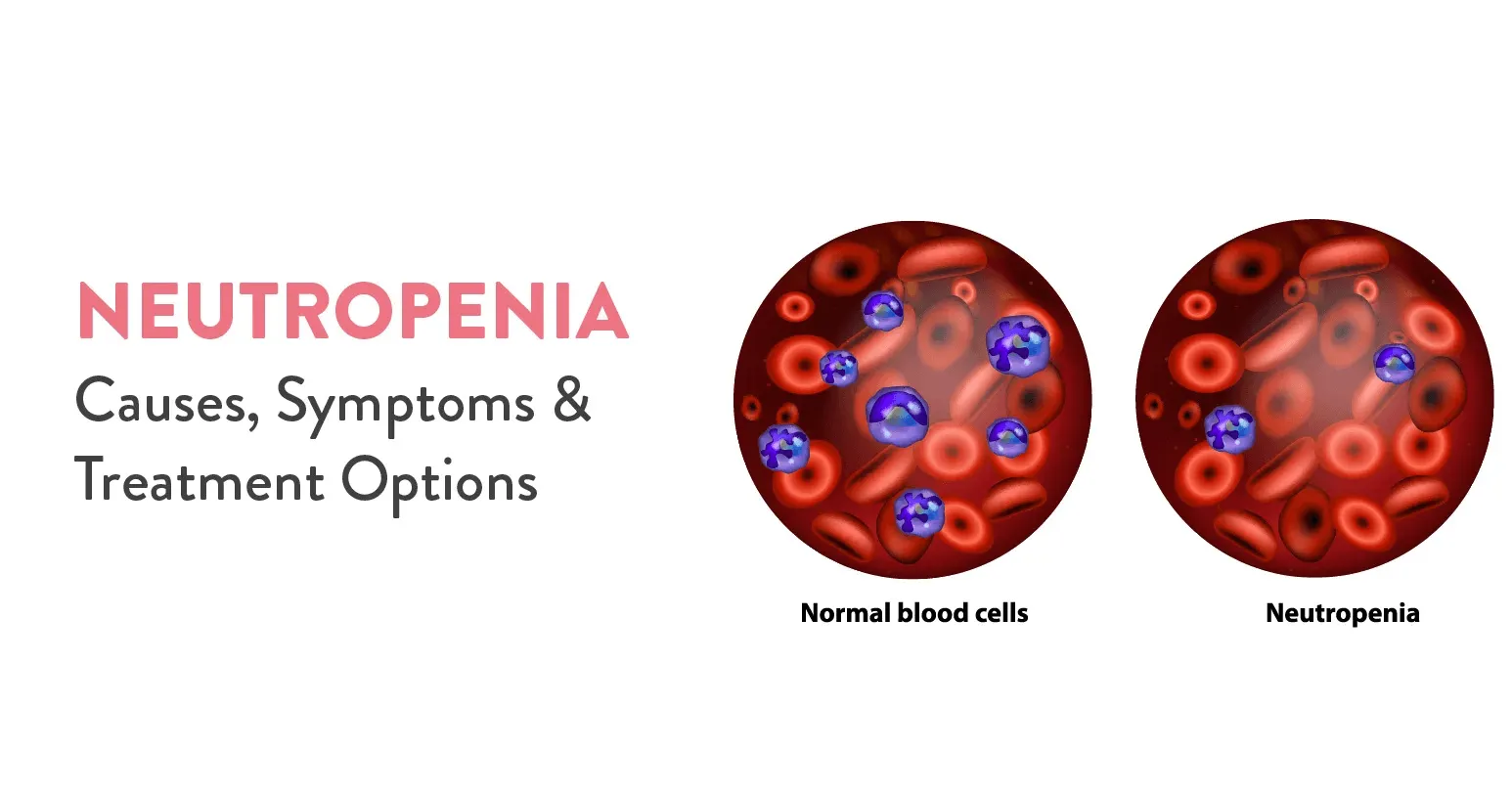
Neutropenia, a condition characterised by abnormally low levels of neutrophils, a type of white blood cell crucial for fighting infections, presents unique challenges and considerations.
From understanding its causes and symptoms to exploring treatment options and lifestyle modifications, navigating Neutropenia requires insight and awareness.
In this blog, we delve into the intricacies of this condition, offering valuable information and insights for those affected and their caregivers.
Table of Contents
Neutropenia indicates low levels of neutrophils in the blood, crucial white blood cells that combat infections. Without enough neutrophils, the body struggles to fend off germs, increasing infection risk.
Severe cases may result in sickness from typically harmless bacteria found in the mouth and intestines.
Symptoms of neutropenia vary in severity, correlating with the level of neutrophils in the body. Common indicators encompass:
Severe congenital neutropenia manifests with significant symptoms, predominantly bacterial infections that can affect the skin, digestive tract, and respiratory system.
Cyclic neutropenia symptoms follow a 3-week cycle, with increased susceptibility to infections during periods of low neutrophil levels.
Autoimmune and idiopathic neutropenia also exhibit infection-related symptoms, typically less severe than those observed in congenital cases.
You Can Also Read: Lifestyle changes and Blood Pressure Control
Neutropenia occurs when the bone marrow fails to produce enough neutrophils, they break down prematurely or are destroyed. Causes include:
Your doctor may utilise the following examinations for diagnosing neutropenia:
Certain forms of neutropenia may not necessitate treatment. Alternative treatment modalities are contingent upon the underlying cause of your diminished neutrophil levels. Treatments may include:
Medication-induced neutropenia may require adjusting or stopping the drug. Treatment varies; some cases don’t need intervention. Fever with neutropenia requires prompt medical attention to prevent complications.
There is no known specific method to prevent neutropenia, however, some recommendations to minimise complications are:
Following these preventive measures can help mitigate potential complications associated with neutropenia. It’s essential to promptly report any symptoms to your doctor and always have access to medical care.
You Can Also Read: Eosinophilia: Definition, Symptoms, Causes & Treatment
If you’re undergoing chemotherapy or have a condition predisposing you to neutropenia, it’s crucial to promptly seek medical attention if you experience any of the following symptoms or reach out to your healthcare provider immediately for guidance:
Neutropenia poses significant challenges, but with early detection, proper management, and ongoing medical care, individuals can lead fulfilling lives while effectively navigating this condition’s complexities. It is always advisable to seek medical help from an experienced general physician. Timely care and help can ensure an appropriate diagnosis and treatment of your condition.
At the CK Birla Hospital, we ensure patients get holistic medical support which includes treatment in a compassionate environment. This patient-centric approach not only helps patients heal better but also ensures they are aware of the preventive measures as well. In case you need to consult a general physician, reach out to us, or book a direct appointment at the CK Birla Hospital.
Neutropenia, a condition characterised by low levels of neutrophils (a type of white blood cell), can be managed with treatments such as medications, lifestyle changes, and sometimes stem cell transplants.
Neutropenia increases susceptibility to infections, impacting daily life with frequent illness, strict hygiene practices, avoidance of crowded places, and sometimes limitations on certain activities and foods to prevent infections.
Neutropenia prevention involves avoiding known risk factors like certain medications, maintaining good hygiene practices, seeking prompt medical attention for infections, and following a healthy lifestyle to support immune function.
Dietary practices for neutropenia involve consuming a balanced diet rich in fruits, vegetables, lean proteins, and probiotics while avoiding raw or undercooked foods and practising good food safety measures.
Someone with neutropenia should follow their doctor’s recommendations, typically involving regular check-ups to monitor blood cell counts and overall health, with frequency determined by the severity of their condition.
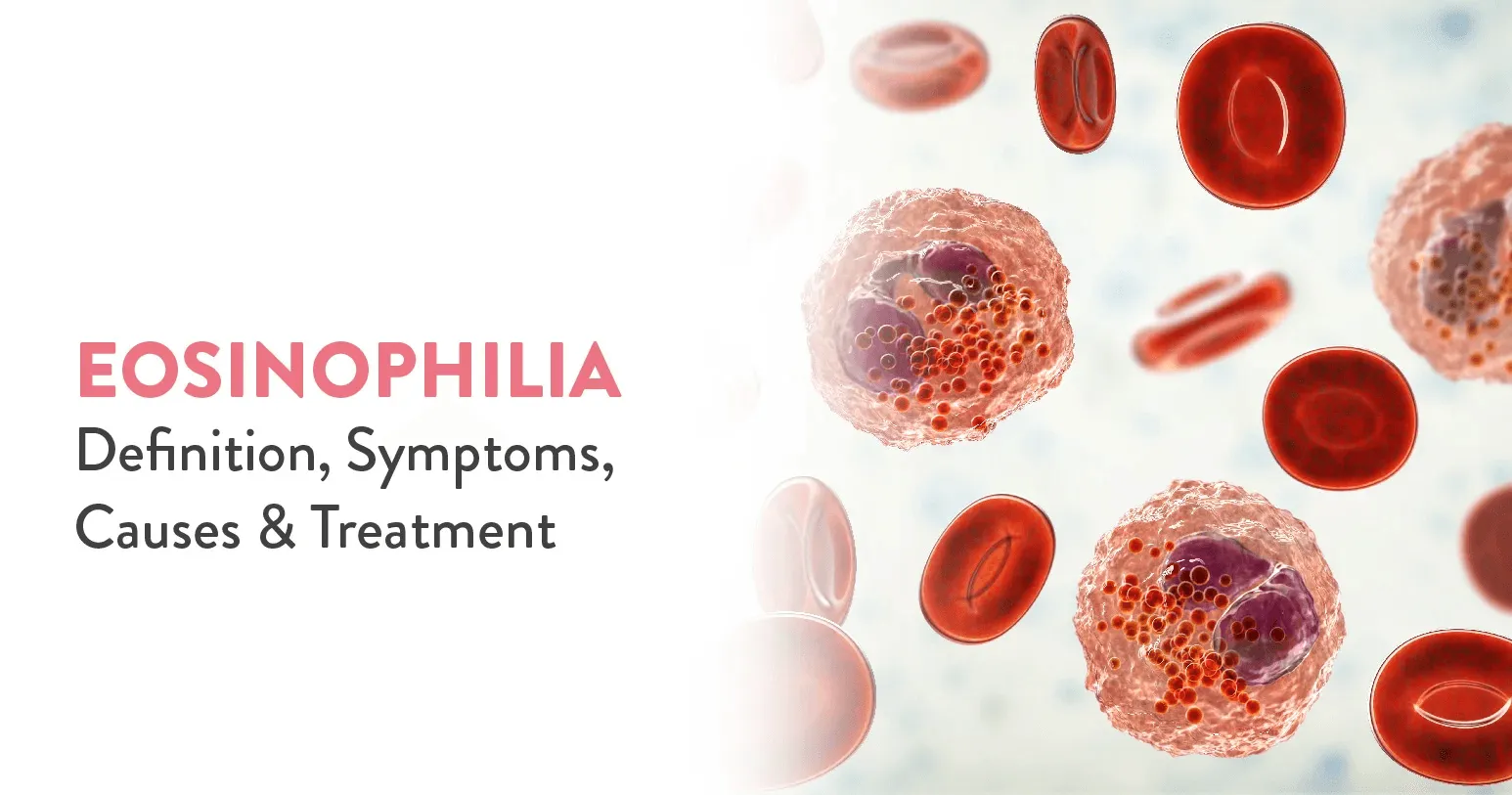
Eosinophilia, a condition marked by elevated levels of eosinophils in the blood, often serves as a crucial diagnostic clue in various medical contexts. While eosinophils play a vital role in the immune system’s response to allergens and parasites, their abnormal elevation can signal underlying health issues.
This blog explores the causes, symptoms, diagnosis, and treatment options for eosinophilia, shedding light on this intriguing medical phenomenon.
Table of Contents
Eosinophilia is characterised by an excess of eosinophils, a type of white blood cell, in the blood, typically exceeding the normal threshold of 500 eosinophils per microliter.
Eosinophils are integral to immune function, contributing significantly to defence against allergens and protection against fungal and parasitic infections.
Factors such as certain medical conditions and medication usage can provoke an elevation in eosinophil levels.
Normal eosinophil levels typically range from 0 to 0.5 × 10^9 cells per litre of blood. White blood cells known as eosinophils are part of the immune system that fights allergies and parasites.
Elevated eosinophil levels, known as eosinophilia, occur when there are more than 0.5 × 10^9 eosinophils per litre of blood. Causes include allergies, asthma, parasitic infections, certain medications, autoimmune diseases, and some types of cancer.
Symptoms vary depending on the underlying cause but may include skin rashes, difficulty breathing, abdominal pain, and fatigue. Further evaluation is needed to determine the specific cause.
Symptoms of eosinophilia can vary depending on the underlying cause, but they may include:
Eosinophilia isn’t a disease but a sign of underlying issues. Seek medical help if symptoms arise for evaluation and diagnosis.
You Can Also Read: Your Guide to Epilepsy
Elevated eosinophil counts in blood can stem from various factors:
Eosinophils trigger inflammation, leading to eosinophilic disorders, such as:
Eosinophilic granulomatosis with polyangiitis (Churg-Strauss syndrome) affects multiple organs like the lungs and heart.
Hypereosinophilic syndrome is rare but serious. It involves persistently high eosinophil levels and impacts the heart, central nervous system, skin, and respiratory tract.
The diagnosis of eosinophilia typically involves several steps:
Treatment hinges on identifying eosinophilia’s cause and addressing underlying conditions like allergies, parasitic infections, autoimmune diseases, or malignancies.
You Can Also Read: Everything You Must Know about Subdural Hematoma.
Treatment for eosinophilia depends on its cause, including allergies, infections, autoimmune diseases, medications, or cancers. Identifying and treating the underlying condition is essential.
Here are some common approaches to treating eosinophilia:
Close collaboration with healthcare providers is essential for eosinophilia management, including determining the cause, developing treatment plans, and monitoring eosinophil levels.
Eosinophilia, while often a sign of underlying conditions, requires thorough evaluation and management. Understanding its causes, symptoms, and treatment options is crucial for effective patient care and outcomes. It is always advisable to seek medical help from an experienced general physician. Timely care and help can ensure an appropriate diagnosis and treatment of your condition.
At the CK Birla Hospital, we ensure patients get holistic medical support which includes treatment in a compassionate environment. This patient-centric approach not only helps patients heal better but also ensures they are aware of the preventive measures as well. In case you need to consult a general physician, reach out to us, or book a direct appointment at the CK Birla Hospital.
Eosinophilia, an elevated level of eosinophils in the blood, can occur in various conditions like allergies, infections, and autoimmune diseases, but it’s not considered a common condition overall.
Treating the underlying cause of eosinophilia, such as allergies, infections, or autoimmune disorders, can lead to resolution. However, a complete cure depends on addressing the specific condition causing eosinophilia.
Natural remedies like dietary changes, herbal supplements (such as turmeric or ginger), probiotics, and managing allergies through avoidance can help alleviate symptoms, but consulting a healthcare professional is advised.
Eosinophilia, an increase in eosinophils in the blood, may indicate allergic reactions, infections, or autoimmune disorders. Its impact on overall health varies based on underlying conditions, potentially affecting immune function and organ systems.
Long-term effects of eosinophilia depend on underlying causes but may include chronic inflammation, tissue damage, and organ dysfunction, impacting respiratory, gastrointestinal, and cardiovascular systems among others.

Postpartum depression is a silent struggle that affects countless new mothers worldwide. Amid the joy of welcoming a newborn, this insidious condition can cast a dark cloud over the postpartum period.
In this blog, we’ll explore the nuances of postpartum depression, its symptoms, causes/reasons, and most importantly, strategies for coping, managing and seeking help. Join us in shedding light on this crucial issue and offering support to those who need it most.
Table of Contents
Having a baby is life-changing, and parenthood can be exciting yet overwhelming. Feelings of worry and doubt are normal, especially for first-time parents. However, extreme sadness, loneliness, mood swings, and crying spells may indicate postpartum depression (PPD).
PPD can affect anyone after childbirth, including surrogates and adoptive parents, due to hormonal, physical, emotional, financial, and social changes. Remember, you’re not alone, it’s not your fault, and help is available through your healthcare provider to deal with and overcome PPD symptoms.
Postpartum depression, different from the “baby blues,” lasts weeks after childbirth, causing severe symptoms that hinder daily functioning. Symptoms vary and can emerge 1 to 3 weeks postpartum.
Symptoms include:
Remember, postpartum depression isn’t your fault, and seeking help from a healthcare professional is crucial for recovery.
You Can Also Read: The Importance of Mental Health for Your Overall Health
Baby blues are common, mild emotional changes that occur within the first two weeks after childbirth, including mood swings and irritability. They often resolve on their own.
Postpartum depression (PPD), on the other hand, is a more severe and long-lasting condition that can develop within the first year postpartum. PPD symptoms are intense and include deep sadness, fatigue, loss of interest, and difficulties bonding with the baby.
PPD requires medical attention and treatment, such as therapy and medication. Recognizing the difference is crucial, as early intervention can help new mothers suffering from PPD regain their emotional well-being and ability to care for themselves and their babies.
Postpartum depression’s cause is unclear, likely stemming from a mix of factors:
Postpartum depression (PPD) has a profound impact on mothers and their families:
Early recognition and professional help, including therapy and support groups, are crucial for improving well-being and mitigating these effects.
You Can Also Read: Tips to look after your mental health
Postpartum depression (PPD) impacts children in the following ways:
The severity of these impacts depends on the mother’s access to treatment and support.
Early intervention and PPD treatment are essential to minimise negative consequences for both mother and child, with support systems and professional help playing critical roles in reducing long-term effects.
Seek screening from a healthcare provider if, within the first year following childbirth, you have symptoms of postpartum depression that last longer than two weeks. They’ll assess your symptoms, including:
Additionally, they’ll consider risk factors like:
They may also order a blood test for underlying conditions contributing to your depression.
If you have symptoms of postpartum depression, it’s crucial to seek help from a healthcare professional promptly. An outline of the main ideas is provided here:
Treatment options:
Hormone therapy: Hormone therapy (oestrogen) may be used to address hormonal imbalances contributing to postpartum depression.
Cognitive Behavioral Therapy (CBT): CBT, alongside medication, effectively reduces symptoms by altering thought patterns and enhancing problem-solving skills.
Natural remedies: Complementary practices like a balanced diet, gentle exercise, meditation, and nature exposure can support recovery.
Self-care: Vital for managing feelings of isolation; seek support from loved ones and consider support groups. Always prioritise professional guidance in treating postpartum depression.
Postpartum depression is a challenging and often overlooked condition that deserves our attention and support. The biological, physical and chemical factors that cause it are beyond your control. It is always advisable to seek medical help from an experienced psychiatrist. Timely care and help can ensure an appropriate diagnosis and treatment of your condition.
At the CK Birla Hospital, we ensure patients get holistic medical support which includes treatment in a compassionate environment. This patient-centric approach not only helps patients heal better but also ensures they are aware of the preventive measures as well. In case you need to consult a psychiatrist, reach out to us, or book a direct appointment at the CK Birla Hospital.
Early signs of postpartum depression may include sadness, irritability, sleep disturbances, appetite changes, loss of interest in activities, and difficulty bonding with the baby. Seeking help is crucial.
Yes, postpartum depression can occur after any pregnancy, including first pregnancies or subsequent ones. It is not limited to a specific pregnancy and can affect any new mother.
Postpartum depression can last for several months to a year or more if left untreated. Early intervention and appropriate treatment can help shorten its duration.
Preventive measures for postpartum depression include a strong support system, stress reduction, healthy lifestyle choices, and seeking early treatment if at risk or experiencing symptoms.
Partners can help by offering emotional support, assisting with baby care, encouraging self-care, and encouraging professional help if needed to alleviate postpartum depression in new mothers.
To promote recovery, it is imperative that individuals with postpartum depression seek professional assistance if their symptoms worsen, last longer than two weeks, or interfere with their everyday activities.

Frequent urination is a common concern that many women face, often leading to discomfort and disruption in daily life.
In this informative blog, we’ll explore the various factors that can contribute to this issue, including urinary tract infections, hormonal changes, and lifestyle habits. We’ll also provide practical tips and guidance on how to manage and alleviate frequent urination, empowering women to take control of their urinary health.
Table of Contents
Urinary Tract Infections (UTIs) can often lead to frequent urination in women. Here’s how they are related:
Pregnancy triggers hormonal and physiological changes, increasing the need for frequent urination, a common symptom during this time. Here’s how pregnancy is related to frequent urination:
Normal in pregnancy, frequent urination occurs mainly in the first and third trimesters. Staying hydrated is important, and seek medical advice if needed.
Overactive Bladder Syndrome (OAB) in women causes frequent, sudden, and uncontrollable urges to urinate. It may result in increased daytime and nighttime urination, often leading to urgency and potential urinary incontinence.
OAB disrupts daily life, affecting work, social activities, and sleep, and can negatively impact a woman’s quality of life.
You Can Also Read: What causes a burning sensation when urinating or dysuria?
Interstitial Cystitis (IC) in women leads to chronic pelvic pain, frequent urination, and urgency. It causes discomfort and a constant feeling of needing to urinate, often with only small amounts of urine expelled.
IC can significantly disrupt daily activities and sleep due to persistent discomfort and frequent bathroom trips, affecting a woman’s quality of life.
Diabetes can be related to frequent urination in women due to its impact on blood sugar levels and kidney function. Here’s how it works:
Various medications can increase urination in women, prescribed for different conditions affecting the urinary system. Some of the common medications that can increase urination in women include:
Medication effects on urination vary. Consult a healthcare provider if experiencing unusual urinary symptoms. They can guide management or adjust treatment.
You Can Also Read: Hematospermia (Blood in the Semen)
Age-related changes in bladder health can increase urination in women due to several factors:
Managing these changes requires consulting healthcare professionals for personalised solutions like exercises, hormone therapy, medication, and lifestyle adjustments.
Neurological disorders can contribute to frequent urination in women via various mechanisms:
Consulting a healthcare provider is crucial for proper evaluation, diagnosis, and tailored treatment, addressing the underlying cause effectively.
Physical obstructions and conditions can affect urination in women in several ways:
If experiencing these symptoms, seek medical attention for diagnosis and treatment.
Lifestyle factors can increase urination in women through various mechanisms:
Monitoring these factors and consulting a healthcare provider for persistent or concerning changes in urination is advisable.
You Can Also Read: When Should You Worry about Blood in Urine?
Women may urinate more often due to gynaecological issues through a variety of mechanisms:
Consulting a healthcare provider is crucial for proper diagnosis and tailored treatment to address these gynaecological factors.
If a urinary tract infection is causing frequent urination in women, antibiotics can be effective in treating the infection. Other treatments and preventive techniques for non-infection-related frequent urination include:
It’s essential to consult a doctor before starting any bladder-retraining schedule or medication regimen.
Frequent urination in women necessitates medical assessment and lifestyle modifications. Prompt attention to this symptom can enhance your well-being and provide relief from discomfort. It is always advisable to seek medical help from an experienced urologist. Timely care and help can ensure an appropriate diagnosis and treatment of your condition.
At the CK Birla Hospital, we ensure patients get holistic medical support which includes treatment in a compassionate environment. This patient-centric approach not only helps patients heal better but also ensures they are aware of the preventive measures as well. In case you need to consult a urologist, reach out to us, or book a direct appointment at the CK Birla Hospital.
Increased urination in women can result from factors like hydration, pregnancy, urinary tract infections, diabetes, medications, or hormone fluctuations. Speak with a healthcare professional for an accurate assessment and direction.
The normal urination frequency for women typically ranges from 6 to 8 times a day, but it can vary depending on factors like hydration, age, and individual differences.
Seek medical attention for frequent urination if it persists for more than a few days, and is accompanied by pain, blood in urine, or other concerning symptoms.
Treatment for frequent urination in women may include lifestyle changes, pelvic floor exercises, bladder training, and medications, depending on the underlying cause. Consult a healthcare professional.
Hypocalcemia, often referred to as low blood calcium levels, is a medical condition that can have significant implications for one’s health.
Calcium is a vital mineral, not only for strong bones and teeth but also for various essential bodily functions.
In this blog, we will delve into the causes, symptoms and treatment options for hypocalcemia, shedding light on the importance of maintaining the right balance of this crucial nutrient in our bodies.
Table of Contents
Hypocalcemia is a manageable medical condition that occurs when the concentration of calcium in your bloodstream falls below normal levels.
Numerous underlying health issues can lead to hypocalcemia, often stemming from irregular levels of parathyroid hormone (PTH) or vitamin D in your system. The severity of hypocalcemia can vary, and it may be either a temporary or a persistent (lifelong) condition.
People with mild hypocalcemia may be asymptomatic. The severity of symptoms varies. Mild hypocalcemia symptoms include:
Left untreated, hypocalcemia can lead to neurological or psychological symptoms such as:
Severe hypocalcemia presents more serious symptoms like:
Hypocalcemia stems from various factors and health conditions. Key contributors include parathyroid hormone (PTH) and vitamin D imbalances, affecting calcium regulation.
The common causes of hypocalcemia are:
Some other contributors to hypocalcemia are:
Hypocalcemia, with blood calcium < 8.8 mg/dL, may be discovered incidentally. Diagnosis via a blood test is essential, but equally significant is uncovering the underlying cause for effective management.
To identify the source of your hypocalcemia or to make sure it isn’t harming other areas of your body, your healthcare provider could carry out the following tests or procedures:
The treatment options for hypocalcemia include:
Additionally, it’s essential to address the underlying cause of hypocalcemia:
Preventive measures for hypocalcemia involve a combination of dietary adjustments, vitamin intake, managing underlying conditions, and lifestyle choices:
Personalised advice is essential, so consult a healthcare professional for tailored guidance and treatment.
You Can Also Read: The Safe Way to Lighten Skin: Reducing Melanin Production Without Risking Your Health
Untreated hypocalcemia, characterised by low blood calcium levels, can lead to various complications:
Severe, untreated hypocalcemia can be life-threatening, necessitating prompt medical attention and calcium supplementation to address underlying causes.
Seek medical attention for hypocalcemia if you experience:
Low calcium levels can result from various causes, so it’s crucial to:
Hypocalcemia is a complex medical condition that demands careful monitoring and prompt treatment. Understanding its causes, symptoms, and management is crucial for ensuring optimal health and well-being. It is always advisable to seek medical help from an experienced dietitian. Timely care and help can ensure an appropriate diagnosis and treatment of your condition.
At the CK Birla Hospital, we ensure patients get holistic medical support which includes treatment in a compassionate environment. This patient-centric approach not only helps patients heal better but also ensures they are aware of the preventive measures as well. In case you need to consult a dietitian, reach out to us, or book a direct appointment at the CK Birla Hospital.
Hypocalcemia is low blood calcium levels, leading to muscle and nerve problems. Calcium is vital for bone health, muscle function, nerve transmission, blood clotting, and various biochemical processes in the body.
Common signs of calcium deficiency include muscle cramps, twitching, numbness, brittle nails, and weakened bones, potentially leading to osteoporosis or tetany (muscle spasms and seizures).
Risk factors for hypocalcemia include inadequate dietary calcium, certain medical conditions (kidney disease, thyroid issues), medications (diuretics), and surgeries (thyroidectomy). For a customised evaluation, speak with a medical expert.
Dairy products (milk, cheese), leafy greens (spinach), fortified foods (orange juice, cereals) and almonds are rich dietary sources of calcium to prevent deficiency.
Treatment for hypocalcemia depends on its cause. It may involve calcium supplements, vitamin D, addressing underlying conditions, or adjusting medications. Seek advice from a medical expert for an accurate diagnosis and treatment.
The frequency of calcium level checks depends on individual health factors and risk factors. Generally, it’s recommended to discuss with a healthcare provider for personalised guidance on testing intervals.
Untreated hypocalcemia can lead to muscle spasms, seizures, osteoporosis, heart rhythm abnormalities, and neuromuscular issues, affecting overall health and quality of life. Early treatment is crucial.

