Filter :
In the realm of women’s health, discussions about vaginal discharge can be both sensitive and crucial. One such type that often raises concern is cottage cheese-like discharge, which may indicate various underlying conditions.
Understanding its causes, symptoms, and potential treatments is essential for maintaining vaginal health and seeking timely medical advice when necessary. Let’s delve into this topic to shed light on what cottage cheese vaginal discharge signifies.
Table of Contents
Cottage cheese vaginal discharge is thick, white, and curd-like, resembling cottage cheese. It’s often a symptom of a yeast infection caused by Candida overgrowth in the vagina. Other symptoms may include itching, burning, and irritation. It’s crucial to consult a healthcare professional for proper diagnosis and treatment, as other conditions may present with similar discharge.
Symptoms of “cottage cheese” vaginal discharge, often indicative of a yeast infection, include:
See a medical professional for a precise diagnosis and the best course of action.
The occurrence of cottage cheese discharge can be linked to a variety of factors and conditions, such as:
You Can Also Read: Spotting Before Menstruation: Reasons and When to Seek Help
Diagnosis of cottage cheese vaginal discharge typically involves a combination of medical history review, physical examination, and laboratory tests, such as:
Seek medical evaluation for accurate diagnosis and tailored treatment if experiencing symptoms akin to cottage cheese-like discharge. Consulting a healthcare professional ensures proper management through comprehensive assessment.
Cottage cheese-like discharge often signals a yeast infection from Candida albicans overgrowth. Treatment involves antifungal meds, OTC or prescribed. Common antifungal treatments include:
Consult a healthcare provider for an accurate diagnosis before starting treatment, as other vaginal infections may have similar symptoms. Follow medication instructions carefully and complete the full course. Seek further evaluation if symptoms persist or worsen.
Natural remedies for cottage cheese-like vaginal discharge, often a sign of a yeast infection, include:
Consult a healthcare provider for accurate diagnosis and treatment, especially for recurrent or worsening symptoms.
You Can Also Read: Suffering From Vaginal Yeast Infection In Summer? Know Its Treatment & Prevention
Seek a healthcare provider’s help for cottage cheese-like vaginal discharge in the following situations:
Overall, if unsure, consulting a healthcare provider is advisable for proper diagnosis and personalised treatment.
While cottage cheese-like vaginal discharge can be a sign of a yeast infection, it’s crucial not to self-diagnose. Maintaining good hygiene practices and a balanced diet can help prevent such infections and ensure your reproductive health and overall well-being. It is always advisable to seek medical help from an experienced gynaecologist. Timely care and help can ensure an appropriate diagnosis and treatment of your condition.
At the CK Birla Hospital, we ensure patients get holistic medical support which includes treatment in a compassionate environment. This patient-centric approach not only helps patients heal better but also ensures they are aware of the preventive measures as well. In case you need to consult a gynaecologist, reach out to us, or book a direct appointment at the CK Birla Hospital.
Yeast infections are typically not sexually transmitted, but sexual activity can increase risk factors. However, partners can pass yeast to each other through sexual contact in rare cases.
Yeast infections are caused by Candida overgrowth, leading to itching and thick discharge, while bacterial vaginosis results from an imbalance of vaginal bacteria, causing a fishy odour and thin discharge.
Yes, over-the-counter antifungal medications are available without a prescription for treating yeast infections. However, it’s essential to follow instructions carefully and consult a healthcare provider if symptoms persist or worsen.
Maintaining a balanced diet low in sugar and refined carbohydrates, and high in probiotics and fibre, can help prevent yeast infections by promoting healthy vaginal flora and immune function.
Yes, stress can weaken the immune system and disrupt the balance of microorganisms in the body, potentially increasing susceptibility to yeast infections. Stress management may help reduce this risk.
Recurrent yeast infections can lead to discomfort, and psychological distress, and potentially compromise fertility. In rare cases, they may indicate underlying health conditions warranting medical attention.

A breast cancer diagnosis can feel like a heavy blow, shrouded in stigma and fear. For many women, the prospect of a subsequent mastectomy can deepen feelings of despair and uncertainty. However, amidst the darkness, there’s a glimmer of hope: the power of early detection and advancements in surgical technology, particularly robotic-assisted surgery. The latest innovation in onco-surgeries, robotic surgery is revolutionising breast cancer treatment, offering patients a lifeline of hope, confidence, and preservation.
Table of Contents
Breast cancer remains one of the most stigmatised diseases, often overshadowed by misconceptions and fear. The fear of judgement and the unknown can prevent women from seeking timely medical attention, delaying diagnosis and treatment. However, breaking the silence and fostering open conversations about breast health is crucial in dispelling myths and empowering women to prioritise their well-being.
Often breast cancer is so advanced that there is no option but to remove the breast tissue completely by performing a mastectomy. The prospect of a mastectomy can plunge breast cancer patients into a whirlwind of emotions, from grief and anger to anxiety and uncertainty. The loss of a breast for a woman is not merely physical but deeply emotional, challenging one’s sense of identity and femininity. Healthcare providers need to offer compassionate support and guidance, helping patients navigate the emotional turmoil and make informed decisions about their treatment journey.
Amidst the challenges of a breast cancer diagnosis, maintaining motivation and resilience is paramount. Empowering patients with knowledge about their treatment options and the importance of early detection can instil a sense of agency and control. Additionally, providing access to support groups, counselling services, and holistic care can bolster patients’ emotional well-being and foster a sense of community and camaraderie.
Early detection is the cornerstone of successful breast cancer treatment, offering the best chance of preserving the breast and achieving optimal outcomes. Regular screening mammograms and self-breast exams empower women to detect abnormalities early, allowing for timely intervention and breast conservation.
By prioritising proactive breast health measures, women can take control of their health and well-being, potentially avoiding the need for more extensive surgical interventions. A host of new and alternative treatment options are helping oncologists tackle breast cancer better.
Take, for instance, a 28-year-old mother of an infant who presented with advanced breast cancer. Treated with a combination of neoadjuvant chemotherapy and immunotherapy, she underwent robotic-assisted functional breast preservation surgery. The procedure involved the removal of the affected portion of breast tissue while preserving the original breast skin and reconstructing with tissue from the back, all through a single incision. The outcome? Precision, minimal scarring, and remarkable aesthetics, with the patient now cancer-free and with a sensate breast that feels the same as it did before cancer.
In another case, a 60-year-old woman with nipple retraction underwent robotic-assisted surgery with the aid of indocyanine green (ICG) navigation technology. The team successfully identified and excised a suspicious breast lesion, providing swift clarity on malignancy. This technology, employed in 90% of recent breast cancer surgeries, enables accurate diagnosis and facilitates breast conservation surgeries with oncoplasty, preserving both life and confidence.
Enter robotic-assisted surgery, a groundbreaking approach that is revolutionising the field of breast cancer treatment. At the CK Birla Hospital Gurgaon, Dr. Mandeep Malhotra is leading the way in robotic-assisted breast cancer surgery, offering patients unparalleled precision, minimal scarring, and enhanced aesthetic outcomes. By harnessing the power of robotics, Dr. Malhotra and his team can approach delicate breast surgeries with unmatched accuracy and efficiency, minimising trauma to surrounding tissues and preserving vital aspects of the breast.
Breast cancer may cast a shadow of uncertainty, but with advancements in surgical technology and a compassionate approach to care, there is hope. At the CK Birla Hospital( Gurgaon, we’re proud to lead the charge in robotic-assisted breast surgery, empowering patients with personalised, precision-driven care that preserves both life and dignity. “Cancer does not discriminate. Neither is it predictable. But as oncologists, our goal is not only to increase survival but also prioritise the patient’s quality of life.” Dr Mandeep S Malhotra, Surgical and Molecular Oncologist.
Robotic-assisted surgery offers a beacon of light, guiding breast cancer patients toward preservation, confidence, and survivorship. Together, let’s rewrite the narrative of breast cancer treatment, one robotic arm at a time.

In recent times, surgical approaches have seen the rise of two groundbreaking techniques that have revolutionised the way surgeries are performed – Laparoscopic Surgery and Robotic Surgery. Each brings its own set of advantages and caters to diverse medical needs. Are these approaches the same or different? While the approach is similar, there are notable differences between laparoscopic and robotic surgery. Let us understand these cutting-edge approaches slightly better.
Laparoscopic surgery, often referred to as minimally invasive surgery, involves making small incisions through which a laparoscope (a thin, flexible tube with a light and camera). The surgeon navigates and performs the procedure while watching a video monitor, using specialised instruments.
Example: Laparoscopic cholecystectomy, a minimally invasive approach to gallbladder removal.
Robotic surgery can just be termed as an advanced approach to laparoscopy. It takes a step further by employing a surgical robot which is controlled by a surgeon. The robotic system provides enhanced visualisation and precision, thereby amplifying the surgeon’s capabilities through advanced technology.
Example: Robotic-assisted prostatectomy, a minimally invasive option for prostate removal.
Some basic similarities between the two are small incisions, an inside view of the surgical location, shorter hospital stay, better control of the process and improved clinical outcomes. However, when you go deeper you notice there are subtle but clinically impactful differences that differentiate the two. Now, let us explore some of the differences of each approach:
| Laparoscopic Surgery | Robotic Surgery |
| Tiny incisions that allow for camera and small instruments | Tiny incisions that allow for a camera, small instruments & endo wrist instruments |
| The surgeon stands over the patient | The surgeon sits at the surgeon’s console |
| The surgeon operates with instruments that have been inserted into the incision | The surgeon operates on the console, while the technology helps mimic his actions in the patient body in real time |
| Lowered range of motion when compared to robotic surgery | Robotic instruments and arms have a full 360-degree motion range. This makes robotic arms more dexterous than even the human hand enhancing the surgeon’s capability |
| Better control and access to tricky places than open surgery | Uncomparable control and access to difficult-to-reach and delicate regions is easier. |
| Recovery time is shorter than open surgery | Shortest recovery time and enhanced clinical outcomes. |
| Reduced risk of blood loss and infections | The minimised risk of blood loss and infections due to the cauterisation process helps carry out organ removal or reconstruction surgeries with the least patient discomfort. |
In conclusion, both laparoscopic and robotic surgeries represent remarkable advancements in the field of minimally invasive procedures. While laparoscopy has been a transformative approach, robotic surgery elevates precision and dexterity to unprecedented levels. The choice between the two depends on the specific procedure, surgeon’s expertise, and patient factors.
At the CK Birla Hospital, we pride ourselves on offering cutting-edge surgical solutions, ensuring that our patients receive the most advanced and personalised care. Our team of skilled surgeons, equipped with state-of-the-art technology, is committed to providing you with the best possible outcomes.
Choose excellence. Choose innovation. Choose CK Birla Hospital for your surgical needs.

As we approach International Women’s Day, it’s time to shine a light on the phrases and stereotypes that women are tired of hearing about their health. Women face a barrage of comments and expectations that can impact their physical and mental well-being. Let’s delve into these phrases and learn to address the real concerns which are getting overlooked in women’s health.
Table of Contents
The pressure to look like a perfect 10 at all times has led to an epidemic of self-doubt and insecurity. According to a survey carried out by the National Eating Disorders Association, approximately 91% of women surveyed admitted to dieting to control their weight, with body dissatisfaction being prevalent across different age groups. And alarmingly high among teens and young adults.
Source: https://eatingdisorderfoundation.org/learn-more/about-eating-disorders/facts/
Bloating is another common concern among women, often linked to hormonal fluctuations, digestive issues, or dietary choices. Hormonal imbalance, whether due to conditions like polycystic ovary syndrome (PCOS) or menopause, can also contribute to weight gain and bloating.
Following fad diets at any age can be detrimental to your body’s fitness, depriving women of the essential proteins and nutrients of a balanced diet. Instead, address the real concerns behind the weight problems and get a customised diet plan from a nutritionist who will address the real health issues with science and compassion, rather than judgement.
Weight gain is not a measure of worth, so instead of focusing on numbers on a scale, let’s talk about feeling strong, confident, and healthy from the inside out.
Yes, women experience hormonal fluctuations, but that doesn’t make their feelings any less valid. Period problems are more than just a monthly inconvenience. Premenstrual syndrome (PMS) is actually not one but a group of symptoms. Over 90% of women experience some form of premenstrual symptoms, ranging from mood swings to physical discomfort, including bloating, constipation, headaches, lethargy, etc.
Source: https://www.medicalnewstoday.com/articles/mood-swings-in-women#causes-in-females
Regular exercise and stress management techniques like yoga or meditation can help alleviate PMS symptoms. From cramps to cravings, women navigate through it all like warriors. And let’s not forget about stress and work-life balance, because balancing it all deserves a round of applause, not an eye roll.
Delicate? Please. Women are out here crushing high-energy jobs, raising families, and conquering the world one day at a time. Many women juggle high-energy and stress-filled jobs while simultaneously navigating the demands of motherhood. Joining work while breastfeeding is a testament to women’s resilience and determination, challenging the notion that they are fragile or weak.
Dealing with hair loss, weaker bones, and knees? Women handle it with grace and a radiant smile. Regular exercise, including strength training, and a balanced diet rich in calcium and vitamin D, can help maintain bone health and prevent osteoporosis.
Fitness is another area where women often face stereotypes and expectations. According to the Centers for Disease Control and Prevention (CDC), only 20.4% of women meet the recommended guidelines for aerobic and muscle-strengthening activities. Encouraging women to prioritise their fitness goals and find activities they enjoy can promote long-term health and well-being.
Source: https://www.cdc.gov/nchs/data/databriefs/db443.pdf
Cancer screening and regular check-ups are essential for women of all ages, yet many may hesitate due to fear or misconceptions. According to experts, early detection through regular screenings can significantly improve outcomes for breast, cervical, and colorectal cancers. Empowering women with accurate information about screening guidelines and the importance of preventive care is crucial for early detection and treatment.
The infamous ticking clock of societal expectations. But a woman’s worth is not determined by her relationship status or reproductive choices. According to a survey by the researchers of the International Institute for Population Studies for NFHS, it has been observed that the median age of a mother has declined by five years from 33 to 28 years in India.
The primary reason that drives this phrase is rooted in the real problems of infertility that women above 35 years tend to experience. However, fertility issues can affect women at any age, with factors like age, genetics, and lifestyle playing significant roles.
Egg preservation, also known as oocyte cryopreservation, offers women the option to preserve their fertility for the future. While it’s essential to raise awareness about reproductive health options, it’s equally important to respect each woman’s individual choices and timelines.
Having said that, natural transitions like perimenopause and menopause are often stigmatised or dismissed in similar parlance. Symptoms like hot flashes, mood swings, and vaginal dryness can impact a woman’s quality of life, but they are manageable with the right support and resources.
Whether single, married, or somewhere in between, women today are living life on their own terms. From exploring fertility options to getting regular health check-ups a wise woman is always at the top of her game.
These vices are not gender-specific. Health warnings apply to everyone. But yes, let’s talk about the impact of smoking and drinking on fertility and overall health. Spoiler alert: it’s not pretty.
While the health risks of smoking and excessive drinking are well-documented, these warnings should apply to everyone, regardless of gender. According to the World Health Organization (WHO), tobacco use is a leading cause of preventable death globally, with smoking-related diseases claiming over 8 million lives annually.
Scars are often left behind due to some trauma or hurt. Then there are skin conditions or injuries that often leave behind imperfections. Some women are subjected to unwanted prejudice due to slight imperfections. These can also be something as natural as wrinkles and age lines.
Dermatological issues like premature ageing or scars can be treated with cosmetic surgeries. Scars can be removed and trauma imperfections can also be permanently repaired with the help of plastic surgery. Always ensure you seek an experienced plastic surgeon for these treatments.
Women deserve to prioritise their health and well-being without fear of judgement or criticism. By taking control of their health journey and advocating for their needs, women can break free from the limitations imposed by others and embrace a life of vitality and empowerment.
Let’s celebrate womanhood by championing women’s health and amplifying their voices in the quest for equality and wellness. Take the first step to good health by scheduling a full body check-up here.
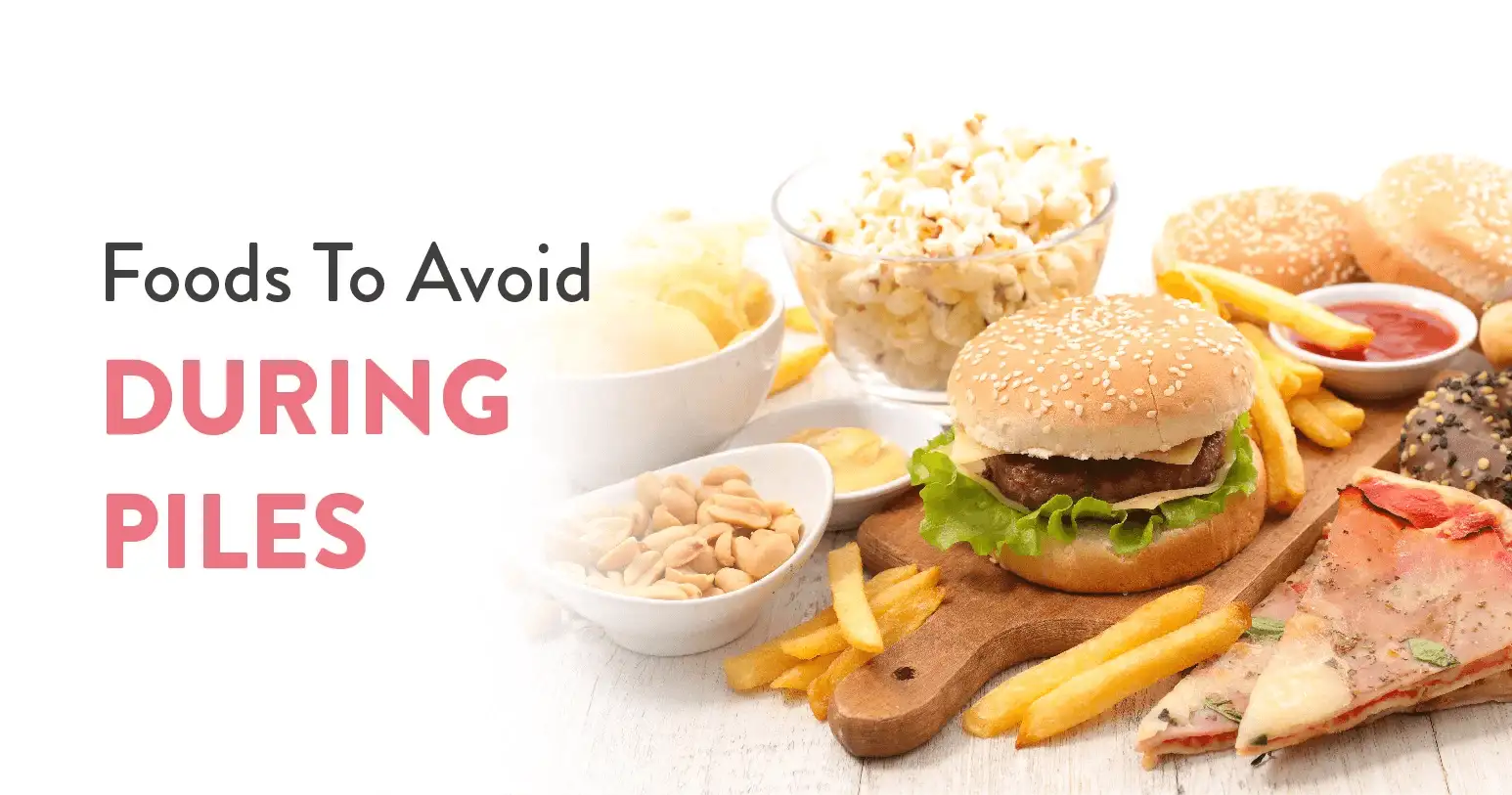
In the realm of managing piles, diet plays a crucial role in alleviating symptoms and promoting healing. Knowing which foods to embrace and which to steer clear of can make a significant difference in your comfort and recovery.
In this comprehensive guide, we’ll delve into the best dietary choices to soothe and support your digestive health while navigating the discomfort of piles.
Table of Contents
Diet can play a significant role in influencing piles, also known as haemorrhoids. Haemorrhoids are swollen veins in the rectum or anus that can cause discomfort, bleeding, and itching.
Overall, adopting a balanced diet rich in fibre, staying hydrated, and avoiding irritating foods can help prevent and alleviate symptoms of piles. It’s essential to consult with a healthcare professional for personalised dietary recommendations and treatment options if you are experiencing persistent or severe piles symptoms.
When experiencing piles, some days may be more painful than others. Your dietary habits play a crucial role in either improving or exacerbating your bowel movements and the resultant discomfort. Foods to stay away from include:
Frozen meals, fast food, and deep-fried items are cumbersome for digestion, containing fewer nutrients alongside high levels of salt and unhealthy fats. These factors collectively contribute to digestive issues and constipation.
While indulging in spicy dishes may be enjoyable, individuals with piles should exercise caution. Spicy foods can exacerbate discomfort during painful bowel movements or bleeding episodes associated with piles.
Reducing alcohol intake is advisable as it disrupts digestive equilibrium by depleting essential nutrients and dehydrating the gut.
Consumption of dairy products can lead to gas, stomach cramps, and constipation, particularly during flare-ups of haemorrhoids. Monitoring dairy intake is essential for managing symptoms.
While fruits are beneficial for alleviating piles symptoms, consuming ripe fruits is crucial. Unripe fruits such as bananas may contain compounds that exacerbate discomfort. Opt for ripe fruits as part of your dietary routine.
Opt for whole grains over refined varieties like white rice or bread, as refined grains lack fibre and essential nutrients.
Foods high in salt, such as tortilla chips, salted peanuts, and canned goods, can contribute to water retention and negatively impact blood vessels, worsening hemorrhoidal symptoms.
Iron supplements and some medications, such as those for colds or coughs, can cause constipation. It’s important to consult a healthcare professional before adjusting medication regimens.
While fibre is beneficial for gut health, excessive intake can exacerbate hemorrhoidal symptoms. Gradually increasing fibre intake is recommended rather than sudden changes, as it can have a bulking effect on stools rather than aiding in relief.
It’s advisable to limit the intake of processed meats during hemorrhoidal episodes due to their low fibre content and high sodium levels.
Of all meat varieties, this particular type is notably challenging to digest and may impede bowel movements, making it unfavourable for individuals experiencing symptoms or predisposed to piles.
Consuming sweets can exacerbate piles due to their potential to cause constipation, worsen inflammation, and contribute to weight gain, all of which can worsen haemorrhoid symptoms.
Numerous food options can aid in mitigating the likelihood of developing piles, which include constipation, bloating, and various digestive problems. These foods include:
Ensuring an adequate daily intake of dietary fibre can help minimise the occurrence of flare-ups associated with piles. There are two main types of fibre found in food: soluble and insoluble.
Soluble fibre forms a gel in the digestive tract and can be broken down by beneficial bacteria, while insoluble fibre adds bulk to stool.
Legumes such as beans, lentils, peas, soybeans, peanuts, and chickpeas are abundant sources of both types of fibre, with a particularly high concentration of soluble fibre.
Incorporating lentils and other legumes into your diet can increase stool bulk, reducing the likelihood of straining during bowel movements.
Cruciferous vegetables such as cauliflower, broccoli, cabbage and radishes are renowned for their high insoluble fibre content. These vegetables contain a natural compound called glucosinolate, which can be efficiently digested by gut bacteria.
This digestion process aids in smooth bowel movements and can alleviate symptoms associated with a fresh bout of haemorrhoids.
Root vegetables such as turnips, beetroot, carrots, sweet potatoes, and potatoes offer substantial satiety and exceptional nutrition. Additionally, they boast a rich content of gut-friendly fibre.
Take cooked and cooled white potatoes, for instance; they harbour resistant starch, a type of carbohydrate that traverses the digestive system without digestion. Like soluble fibre, they support gut bacteria and promote smooth bowel movements.
Rich in essential vitamins such as vitamin C and minerals, bell peppers serve as an excellent choice for boosting fibre intake in your diet. Just a cup of mild bell peppers provides approximately 2 grams of fibre.
Moreover, boasting a water content of around 93%, bell peppers aid in hydration and promote smooth passage of stool.
Similar to legumes, whole grains are a nutritional powerhouse as they preserve their germ, bran, and endosperm, all of which are rich in fibre content. Whole grains are notably abundant in insoluble fibre.
The advantage of insoluble fibre lies in its inability to be digested, thus adding bulk to stool and facilitating easier excretion, reducing the discomfort associated with piles.
Brown rice, oats and corn are among the beneficial whole grains.
For instance, incorporating oatmeal into your diet can alleviate symptoms of piles. Oatmeal contains a special soluble fibre known as beta-glucan, which supports the gut microbiome by acting as a prebiotic. This, in turn, nourishes healthy gut bacteria and aids in smoother excretion.
Incorporating them into your diet can effectively alleviate symptoms of piles. With their rich content of pectin and resistant starch, a single banana typically supplies an average of 3 grams of fibre.
This combination aids in promoting smooth bowel movements, facilitating easier stool passage.
Tomatoes are rich in dietary fibre and have a high water content, which helps alleviate symptoms of constipation by reducing the need to strain during bowel movements.
Additionally, tomatoes contain a natural antioxidant called naringenin, which some scientists suggest may have a laxative effect on constipation.
Fruits such as oranges, lemons, and grapes boast high levels of vitamin C. Beneath their outer layer, the inner skin of these fruits is abundant in fibre.
Citrus fruits are also rich in water content, which aids in softening stools. Similar to tomatoes, they also contain naringenin, a natural compound known for its laxative effect.
You Can Also Read: Piles and Fissures – Know the Difference
Managing piles through diet requires a balance of fibre-rich foods, hydration, and avoidance of trigger foods like processed snacks. Prioritise healthful choices to alleviate symptoms and promote overall well-being.
At the CK Birla Hospital, we ensure patients get holistic medical support which includes treatment in a compassionate environment. This patient-centric approach not only helps patients heal better but also ensures they are aware of the preventive measures as well. In case you need to consult a dietitian, reach out to us, or book a direct appointment at the CK Birla Hospital.
A high-fibre diet can help alleviate symptoms of piles by promoting smoother bowel movements and reducing strain during defecation.
Gentle spices like turmeric, ginger, and cumin can aid digestion and may alleviate discomfort associated with piles when consumed moderately.
Improvements in diet, particularly increased fibre intake, can alleviate piles symptoms within days to weeks depending on individual responses.
Yes, a vegetarian diet rich in fibre from fruits, vegetables, and whole grains can help alleviate piles symptoms and promote digestive health.
Opt for low-sugar, high-fibre snacks like fruit, nuts, or dark chocolate to minimise aggravation of piles while still enjoying treats.

The infectious disease known as tuberculosis, or TB for short, is brought on by the Mycobacterium tuberculosis bacteria. Although it can also affect other sections of the body, its primary effect is on the lungs. Despite being preventable and curable, TB remains a significant global health concern, particularly in low- and middle-income countries.
Understanding its causes, symptoms, prevention, and treatment is crucial in combating this ancient disease.
Table of Contents
Tuberculosis, or TB, is an infectious disease (infectious disease doctors) primarily affecting the lungs, though it can harm other organs like the brain or kidneys. It originates from the Latin word for “nodule.”
TB may remain latent without symptoms or progress to active disease, characterised by contagion and symptoms. Its stages include primary infection, latent TB infection, and active TB disease. Treatment is essential for sickness.
Latent TB, caused by Mycobacterium tuberculosis, may be asymptomatic for years before progressing to active TB disease. Active TB manifests various symptoms, primarily respiratory, but can affect other body parts.
TB spreading to other organs presents additional symptoms such as:
You Can Also Read: How to Avoid Influenza?
The germ that causes tuberculosis, or TB, is called Mycobacterium tuberculosis. Various strains of TB exist, some of which have developed resistance to medication.
TB bacteria are spread through infected droplets in the air, which can be inhaled by anyone nearby. Transmission can occur through actions such as sneezing, coughing, speaking, or singing.
Individuals with a strong immune system may not exhibit TB symptoms despite being infected, a condition referred to as latent or inactive TB infection. It is estimated that around a quarter of the global population carries latent TB.
Latent TB is not contagious, but it can progress to active disease over time. Active TB disease can cause illness and is also transmissible to others.
Over 95% of TB deaths occur in developing nations, particularly in Sub-Saharan Africa, India and parts of Asia.
TB is a top cause of death for HIV-positive people. Testing, HIV treatment adherence, avoiding TB exposure, quitting smoking, a balanced diet, and exercise prevent TB progression.
Healthcare professionals use a range of tests to diagnose TB, each with distinct considerations. These include:
Treatment for tuberculosis (TB) involves a combination of antibiotics taken over several months. This combination, known as “first-line” treatment, lasts at least six months. Patients must adhere strictly to their prescribed medication regimen and complete the entire course, even if symptoms improve. This prevents drug-resistant strains from emerging.
Monitoring by healthcare providers is crucial to assess treatment response and identify any side effects or complications. In cases of drug-resistant TB, treatment is more complex and may require different antibiotic combinations.
You Can Also Read: How to keep lungs healthy?
In low-risk areas, understanding TB prevention is crucial. Precautions remain essential, particularly in high-risk settings.
Tuberculosis remains a pressing global health concern, necessitating continued efforts in prevention, diagnosis, and treatment. With collaborative action, we can strive towards a world free from the burden of TB. It is always advisable to seek medical help from an experienced pulmonologist. Timely care and help can ensure an appropriate diagnosis and treatment of your condition.
At the CK Birla Hospital, we ensure patients get holistic medical support which includes treatment in a compassionate environment. This patient-centric approach not only helps patients heal better but also ensures they are aware of the preventive measures as well. In case you need to consult a pulmonologist, reach out to us, or book a direct appointment at the CK Birla Hospital.
Yes, tuberculosis (TB) can be completely cured with appropriate antibiotic treatment, usually a combination of drugs taken for several months, ensuring eradication of the bacteria from the body.
When an infected individual coughs or sneezes, the disease spreads via the air. Prevention involves vaccination, early detection, treatment of infected individuals, and practising good respiratory hygiene to reduce transmission.
Yes, untreated TB can lead to serious complications such as lung damage, respiratory problems, and even death. Timely treatment can prevent long-term effects and promote recovery.
Close contacts and family members of TB patients should undergo screening for infection, receive preventive therapy if indicated, adhere to infection control measures, and follow up with healthcare providers for monitoring.
Signs of TB treatment failure or relapse include persistent symptoms, worsening of symptoms after initial improvement, positive sputum tests, and radiographic evidence of disease progression despite treatment. Prompt medical evaluation is essential.
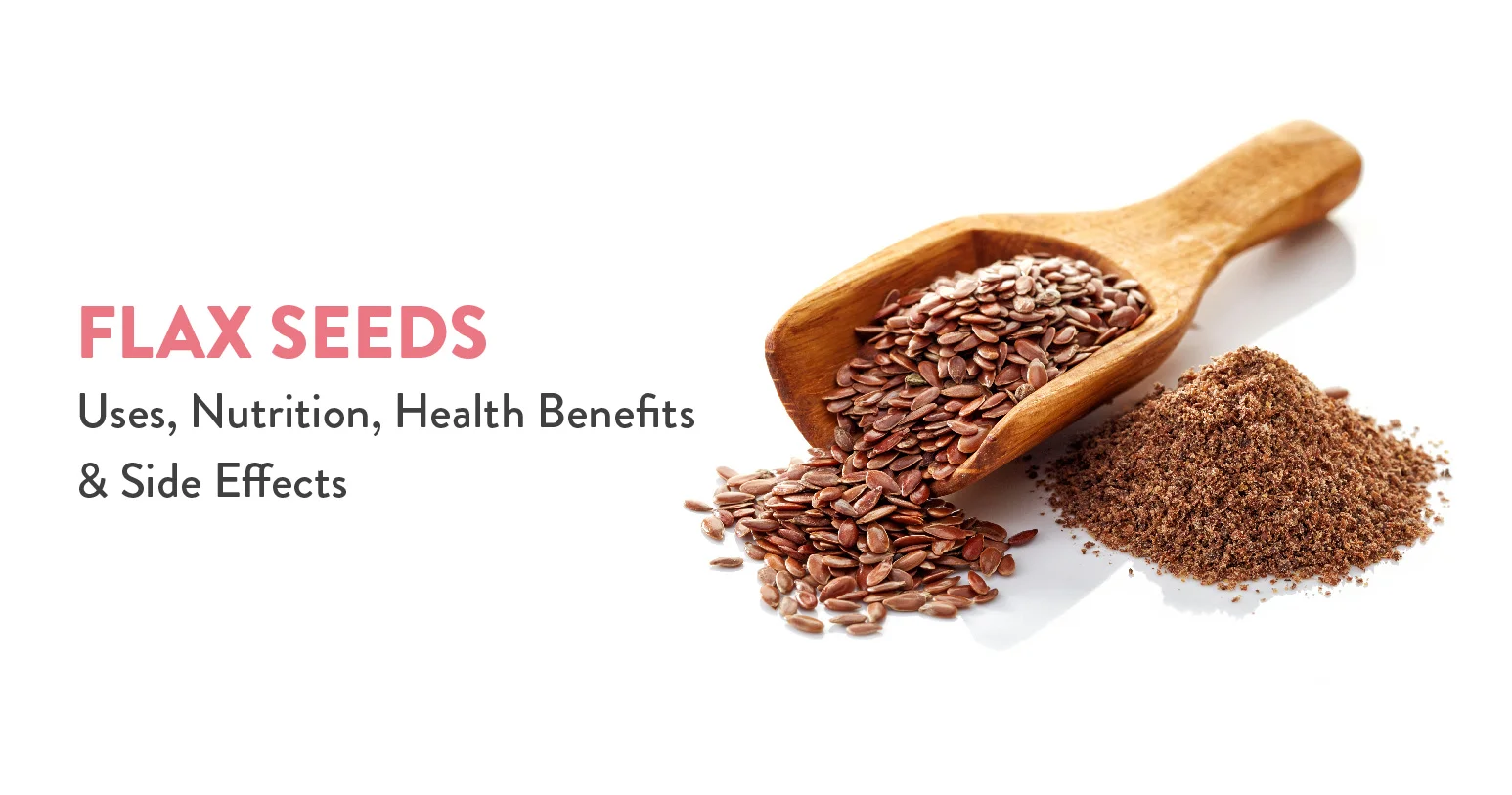
Flax seeds, often touted as a nutritional powerhouse, have been gaining widespread recognition in the world of health and wellness. Packed with essential nutrients, fibre, and beneficial fatty acids, these tiny seeds offer a plethora of health benefits.
In this blog, we’ll dive deep into the wonders of flax seeds, exploring their nutritional value, versatile uses, and how they can become a valuable addition to your daily diet.
Table of Contents
Flaxseed, also recognized as flax or linseed, constitutes the seeds of the flax plant. Available in hues spanning reddish brown to light yellow (often called golden flaxseed), it can be ingested as whole seeds, ground powder, or flaxseed oil.
Flaxseeds contain 534 calories in every 3.5 ounces (100 grams), equivalent to 55 calories per tablespoon (10 grams) of whole seeds.
Their composition comprises 42% fat, 29% carbohydrates, and 18% protein.
A single tablespoon (10 grams) of whole flax seeds provides the following nutritional values:
Flax seeds are incredibly rich in fibre, with 95% of their 29% carb content being fibre.
Two tablespoons of flax seeds (20 grams) offer 6 grams of fibre, meeting 15–25% of the daily fibre intake for men and women.
This fibre is a blend of soluble fibre (20–40%) for blood sugar and cholesterol control, and insoluble fibre (60–80%) aiding in digestion.
Flax seeds, when mixed with water, form a thick mucilage, acting as a natural laxative, promoting regularity, preventing constipation, and lowering the risk of diabetes.
Flax seeds, with 18% protein, have a soybean-like amino acid profile but lack lysine, making them incomplete protein. Rich in heart and immune-boosting arginine and glutamine.
Flax seeds are rich in fat, with 1 tablespoon containing 4.3 grams, consisting of 73% polyunsaturated fatty acids, including omega-6 and ALA (alpha-linolenic acid) omega-3. ALA is essential and must be obtained from food as the body can’t produce it.
Flaxseed oil has the highest ALA content, followed by milled seeds, while whole seeds have the least. Flax seeds have a favourable omega-6 to omega-3 ratio, linked to lower chronic disease risk, but they contain less omega-3 than fish oils. Converting ALA to EPA (eicosapentaenoic acid) and DHA (docosahexaenoic acid) is often inefficient.
Solin, a yellow variety of flax seeds, is less nutritious with a different oil profile and low omega-3 content.
You Can Also Read: Health Benefits of Chia Seeds
Flax seeds serve as a valuable nutritional resource as they provide numerous vitamins and minerals, such as:
Flax seeds are also rich in numerous beneficial plant components, like:
The multiple health benefits of lignans are:
Flax seeds offer versatility in cooking and baking, providing both flavour and nutrition. Here’s how they can be used:
Store flax seeds properly to maintain freshness and nutritional benefits. Grinding them just before use is recommended. Incorporating flax seeds into your meals enhances fibre and omega-3 intake.
Flax seeds offer various health benefits across heart health, digestion, and cholesterol levels:
Ground flax seeds aid digestion. Consult a healthcare professional if you have health conditions or take medications. Include them in a balanced diet for health benefits.
Flax seeds, rich in soluble fibre, aid weight loss by reducing hunger and cravings.
Controlled studies found that incorporating flax seeds into diets helped overweight individuals shed an average of 2.2 pounds (1 kg).
Longer studies and daily consumption of over 30 grams showed even more significant weight loss effects.
You Can Also Read: Top High Protein Foods
Consuming flax seeds safely involves several key considerations for their high fibre and omega-3 fatty acid content:
Always consult with a healthcare professional if you have specific dietary concerns or medical conditions before adding flax seeds to your diet.
Flax seeds are a nutritional powerhouse with numerous health benefits. Incorporating them into your diet can enhance your overall well-being and contribute to a healthier lifestyle.
At the CK Birla Hospital, we ensure patients get holistic medical support which includes treatment in a compassionate environment. This patient-centric approach not only helps patients heal better but also ensures they are aware of the preventive measures as well. In case you need to Consult a Dietitian, reach out to us, or book a direct appointment at the CK Birla Hospital.
Flax seeds are rich in omega-3 fatty acids, fibre, and antioxidants, supporting heart health, digestion, and skin.
Ground flax seeds are more digestible; sprinkle on yoghurt, in smoothies, or use as an egg substitute in baking.
Consult a doctor if you have allergies, are pregnant, or taking certain medications to ensure safety.
Yes, the fibre content can promote feelings of fullness, aiding weight management when part of a balanced diet.
Store flax seeds in an airtight container in the refrigerator to prevent rancidity due to their high oil content.

Dealing with a urinary tract infection (UTI) can be frustrating, with symptoms like burning, frequent urges, and discomfort affecting your day.
While a doctor’s advice is always important for proper treatment, there are also simple, natural ways you can support your recovery and feel better.
In this blog, we will walk you through easy home remedies and everyday habits that may help ease the discomfort and keep your urinary tract healthy.
Table of Contents
A urinary tract infection (UTI) is a bacterial infection in the urinary system, which includes the urethra (urethritis), kidneys (pyelonephritis), and bladder (cystitis).
Normally, urine produced by the kidneys is free of bacteria. A UTI occurs when harmful bacteria enter the urinary tract and multiply, leading to infection.
UTI symptoms vary depending on the affected urinary tract.
If a UTI spreads to the kidneys (an upper tract infection), it can occasionally lead to a serious bloodstream infection called urosepsis. Symptoms may include fever, low blood pressure, confusion, or feeling very unwell. Early diagnosis and treatment are crucial to prevent these complications.
You Can Also Read: Home Remedies for Urinary Tract Infections (UTIs)
UTIs usually occur when bacteria enter the urinary tract through the urethra. The most common culprit is E. coli, a type of bacteria normally found in the intestines. Other bacteria, fungi, or rarely viruses can also cause UTIs. Factors that make it easier for bacteria to cause infection include:
Unique factors affecting females include:
Various factors increase UTI risk in both genders, with unique considerations for females. Proper hygiene and precautions reduce UTI risk.
You Can Also Read: Common Causes of Frequent Urination in Women
Some people are more prone to UTIs due to:
There are several home remedies for UTIs, such as:
How it may help: Cranberries contain proanthocyanidins (PACs) that may reduce E. coli adhesion to the bladder wall.
What the science says: Evidence is mixed. Some trials suggest fewer recurrences, especially in women with frequent UTIs; others show little benefit. Works better as a prevention than a treatment.
How to use:
Safety & limits: May interact with blood-thinning medicines like warfarin; can worsen reflux in some people. Avoid sugary cocktails.
How it may help: Dilutes urine and increases flow, helping flush out bacteria from the bladder and urethra.
What the science says: Observational and interventional studies associate optimum fluid intake with lower UTI risk and shorter symptom duration. It’s supportive, not curative.
How to use:
Safety & limits: People with heart/kidney disease should follow the clinician’s fluid limits.
How it may help: Restores protective vaginal and gut microbiota, which can lower colonisation by uropathogens.
What the science says: Growing but heterogeneous evidence that Lactobacillus strains (e.g., L. rhamnosus GR‑1 and L. reuteri RC‑14) may reduce recurrent UTIs. However, these are not a stand‑alone treatment for acute infection. Antibiotics are still needed for symptom relief and cure.”
How to use:
Safety & limits: Avoid in severely immunocompromised individuals unless advised by a clinician.
How it may help: May acidify urine, creating a less hospitable environment for some bacteria.
What the science says: Evidence is limited and inconsistent. It can be considered as an adjunct for prevention, not an acute cure.
How to use:
Safety & limits: High doses may raise kidney stone risk in predisposed individuals. Your doctor will recommend the right dosage.
How it may help: Wearing loose, breathable clothing and cotton underwear helps keep the genital area dry, reducing the growth of bacteria that can cause UTIs.
What the science says: Moist, warm environments encourage bacterial growth. Choosing breathable fabrics is a simple, non-invasive way to lower infection risk
What should be done:
Safety & limits: Comfortable clothing is a preventive measure, not a treatment for an active infection. Always seek medical care if symptoms appear.
How it may help: Relaxes pelvic muscles and eases bladder pressure, reducing discomfort.
What the science says: Supports pain relief only; it does not treat infection.
How to use:
Safety & limits: Use a cover; avoid sleeping with a heating pad to prevent burns.
Bearberry (Uva‑ursi), Garlic, Green Tea extracts
How they may help: Traditional antimicrobial or anti‑adhesion actions have been proposed.
What the science says: Insufficient high‑quality evidence for acute treatment; potential role (especially bearberry) in prevention is still uncertain. Quality and dosing vary widely.
How to use: If considered, use standardised products and discuss with a clinician first.
Safety & limits: Bearberry is not for long‑term use or during pregnancy and should be used cautiously; it can cause possible liver/renal concerns. Herbal‑drug interactions can occur.
| MYTH | FACT |
| Baking soda/sodium bicarbonate drinks help clear UTIs | There is no evidence for it. Instead, these can disturb the body’s acid–base balance and may cause side effects without treating the infection. |
| Apple cider vinegar cures UTIs | There is no clinical proof to support this. It may irritate the bladder or stomach in some people instead of helping them. |
| Cranberry cocktails with added sugar work like cranberry juice | Added sugar can actually worsen UTI symptoms and is not effective. Only unsweetened cranberry products are considered in studies. |
Note: Home remedies are to support the treatment and not to be used as substitute for actual treatment. Always consult a doctor before trying remedies or supplements.
You should consult a doctor if you notice any of the following symptoms.
Timely medical intervention is important to prevent further complications.
Incorporating effective home remedies for urinary tract infections can offer valuable relief and support for those dealing with this uncomfortable condition and help in promoting overall urinary health. While these natural treatments can help alleviate symptoms, it’s crucial to remember that severe or persistent UTIs may require medical intervention. It is always advisable to seek medical help from an experienced urologist. Timely care and help can ensure an appropriate diagnosis and treatment of your condition.
At the CK Birla Hospital, we ensure patients get holistic medical support which includes treatment in a compassionate environment. This patient-centric approach not only helps patients heal better but also ensures they are aware of the preventive measures as well. In case you need to consult a urologist, reach out to us, or book a direct appointment at the CK Birla Hospital.
Drinking water alone cannot cure a UTI. While staying hydrated is important for UTI prevention, antibiotics prescribed by a healthcare professional are typically required to treat a UTI effectively.
Cranberry juice may help prevent UTIs by preventing bacteria from adhering to the urinary tract lining, but it is not a reliable treatment and should not replace antibiotics when infection occurs.
Yes, there are risks in using herbal remedies for UTIs, including inadequate treatment, delayed medical care, and potential interactions with other medications. For appropriate advice, speak with a healthcare provider.
Prevent recurring UTIs by staying hydrated, practising good hygiene, urinating after sexual activity, avoiding irritants, and consulting a healthcare provider for underlying causes or preventive measures like antibiotics.
Opt for antibiotics over home remedies for UTIs when symptoms are severe, last more than a day or two, or when prescribed by a healthcare professional to prevent complications.

Are those stubborn dark circles under your eyes causing you frustration and self-consciousness? You’re not alone!
In our quest for a refreshed and youthful appearance, discovering how to banish dark circles permanently is a common desire. In this blog, we’ll delve into effective strategies, treatments, and lifestyle changes to help you bid farewell to those pesky shadows and regain your confidence.
Table of Contents
Dark circles under the eyes result in darkened skin below, varying in shades of blue, purple, brown, or black based on skin tone. They can age and fatigue your appearance.
Under-eye circles often stem from various causes and aren’t typically a medical concern. However, you may seek cosmetic solutions to reduce their appearance.
You Can Also Read: Types of Skin Problems & their Solutions
Aging thins the skin under the eyes, making blood vessels more visible and causing dark circles. Tear troughs further contribute by creating shadowed areas, enhancing the appearance of puffiness.
Other potential reasons for dark circles beneath your eyes might be:
To combat under-eye dark circles at home, try these tips:
To eliminate dark circles quickly and permanently, consult your healthcare provider for suitable treatments. Medical options include:
These treatments offer various ways to address dark circles effectively under your eyes.
You Can Also Read: Safely Lighten Skin: Reduce Melanin Without Health Risks
Preventing dark circles under your eyes is not always guaranteed, but there are several adjustments you can implement to potentially alleviate the issue. These changes encompass:
Achieving permanent relief from dark circles requires a holistic approach, from lifestyle changes to skincare routines. Consistency and patience are key to achieving lasting results for brighter, healthier under-eyes. It is always advisable to seek medical help from an experienced dermatologist. Timely care and help can ensure an appropriate diagnosis and treatment of your condition.
At the CK Birla Hospital, we ensure patients get holistic medical support which includes treatment in a compassionate environment. This patient-centric approach not only helps patients heal better but also ensures they are aware of the preventive measures as well. In case you need to consult a dermatologist, reach out to us, or book a direct appointment at the CK Birla Hospital.
Dark circles under the eyes may not be completely curable, as they can be caused by various factors like genetics and ageing. However, treatments can help reduce their appearance.
The time to see results from dark circle treatments varies but typically ranges from a few weeks to several months, depending on the chosen treatment method and individual response.
Yes, dark circles under the eyes can sometimes indicate underlying health issues like allergies, fatigue, or anaemia. Consult a healthcare professional if concerned about their cause.
Home remedies for dark circles under the eyes may provide temporary relief but are unlikely to deliver permanent results. Long-term solutions often require professional treatments or lifestyle changes.
Preventive measures for dark circles include adequate sleep, a balanced diet, hydration, sunscreen, and managing allergies and stress. Avoiding excessive rubbing or tugging on the delicate under-eye area is also essential.

