Filter :
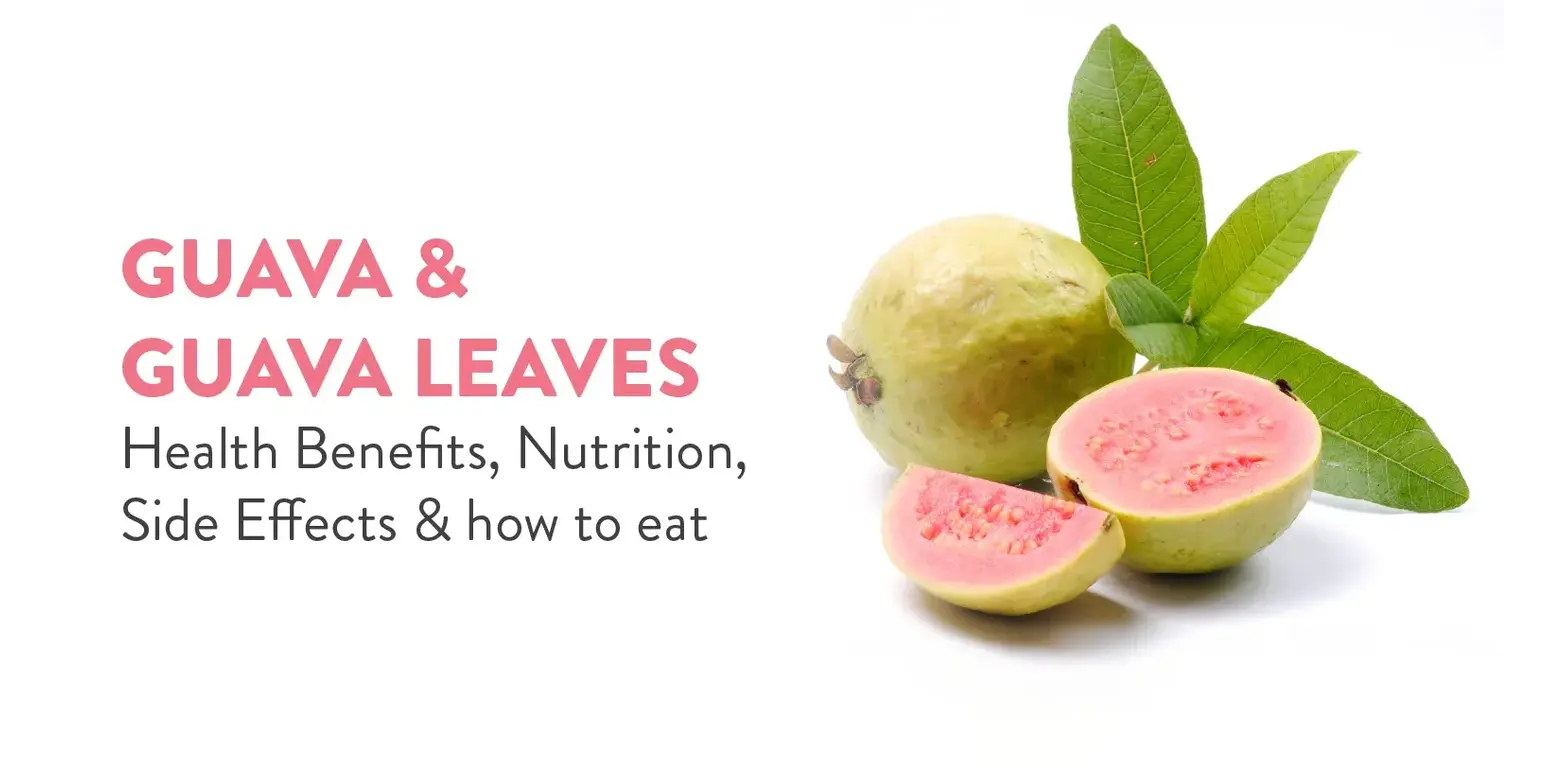
Table of Contents
Do you know, apart from being a delicious fruit, guava is a powerful nutritional package that has been used in traditional medicine for centuries? From boosting immunity to supporting digestion, guava offers a long list of benefits. Also, many people do not know that guava leaves are equally valuable as the fruit. They are packed with antioxidants and natural plant compounds that support everything from blood sugar control to gut health.
Whether you like biting into a fresh guava or sipping guava leaf tea, this fruit offers something for almost everyone. Let’s break down guava leaves benefits, nutrition, how to eat it, and any precautions to keep in mind.
| Guava Fruit | Guava Leaves |
It contains:
|
It contains:
|
1 medium guava (100 g) contains approx.:
These compounds make guava leaves powerful for digestive health, skin health, and metabolic support.
Also Read: Benefits of Taking Fish Oil
Also Read: Pineapple: Benefits, Nutrition, Right Way to eat and who should avoid
Not only guava, but guava leaves also have tremendous health benefits:
Also Read: Flax Seeds: Uses, Nutrition, Health Benefits & Side Effects
Note: Although beneficial, guava leaves cannot replace the medical treatment that may be required to fix your stomach problems.
Also Read: Iron Rich Foods
Here are some ways to consume guava and guava leaves:
| Ways to Eat Guava | Ways to Consume Guava Leaves |
Note: The best time to eat guava is morning or as a mid-meal snack for better digestion. |
Note: Avoid chewing raw leaves directly, as they may be too hard on digestion. |
Also Read: Custard Apple: Benefits & Nutritional Value
Guava is generally safe, but a few people may experience:
Note: The following people should avoid eating guavas
Also, Pregnant or breastfeeding women should not consume guava leaves without a doctor’s advice.
Also Read: Pregnancy and Nutrition
Guava is not only a delicious fruit, but it also offers a number of health benefits. Whether you enjoy it plain, sprinkle a little black salt over it, or sip warm guava leaf tea, both the fruit and the leaves offer nutritional advantages, from better digestion to immunity support.
However, you should know that moderation is the key. Though most people can enjoy guava without any issues, if you have a sensitive stomach or specific health conditions, it is always good to listen to your body or consult your doctor.
Also Read: The Anti-Wrinkle Diet: 5 Collagen-Rich Foods for Youthful Skin
1. Can guava help manage sugar levels?
Guava is loaded with fibre and antioxidants that help slow down glucose absorption and improve insulin response, thus helping manage sugar levels. It is also a good fruit for people with diabetes when eaten in moderation.
2. Can I take guava leaf tea daily?
When taken in moderation (1 cup a day), it is good, but excess consumption may cause constipation.
3. Can guava naturally improve my immunity?
Yes. Guava is one of the richest natural sources of vitamin C, even more than oranges, and we know that vitamin C is important for our immune system.
4. Does eating guava help in weight loss?
Guava helps indirectly by keeping you full, reducing cravings, and supporting digestion. It is a great fruit for weight-friendly diets.
5. Is guava good for skin and hair health?
Yes. Vitamin C supports collagen production, while antioxidants protect skin from ageing. Guava leaf tea or extract (diluted) when applied to the skin may help reduce acne.
6. Can I eat guava in pregnancy?
Yes. It contains folate, fibre, and vitamin C that support healthy development and digestion. Avoid unripe guava to reduce constipation risk.
7. Can guava cause allergies or digestive issues?
Guavas are usually safe to eat, but moderation is important. Overeating should be avoided as it can cause gas, bloating, or mouth irritation in some people. Allergies are rare but possible.
Have you ever noticed your blood test report mentioning “TLC” and wondered what it means? TLC stands for Total Leukocyte Count. It checks for the number of white blood cells, which are a part of our body’s defence system against infections. Although a simple test, it uncovers a lot about our immune health. Whether you are recovering from an illness, feeling unusually tired, or just going for a routine check-up, your TLC level can help doctors understand how your body is coping.
Table of Contents
The Total Leukocyte Count measures the number of white blood cells (WBCs) in your blood. Leukocytes are essential for your immune system as they fight bacteria, viruses, fungi, and other harmful organisms that invade your body.
A high TLC may indicate that your body is fighting an infection or inflammation, while a low TLC could suggest a weakened immune system. The test is part of a routine Complete Blood Count (CBC) and is often used to assess overall health and immune function.
Also Read: Tips to boost your immune system
White blood cells are produced in the bone marrow and circulate in the bloodstream and lymphatic system. They are broadly classified into five types, each playing a specific role in immune defence:
| Type of WBC | Function |
| Neutrophils | These are the first responders who fight bacterial infections |
| Lymphocytes | They produce antibodies and help in viral defence |
| Monocytes | They clean up dead cells and fight chronic infections |
| Eosinophils | They combat allergies and parasitic infections |
| Basophils | They release histamine during allergic reactions |
A TLC test helps serve the following purposes:
Your doctor may prescribe a TLC test if you experience symptoms that point toward infection or immune dysfunction. Common signs include:
TLC is also a part of a complete blood count (CBC) in annual health check-ups that many people opt for.
The TLC test is simple, quick, and safe. Here is how it is normally done:
The normal range can slightly vary depending on the laboratory, but on average, it has the following range:
An elevated TLC is also called leukocytosis. It usually suggests that your body is fighting an infection or inflammation. However, other possible causes include:
Note: A temporary rise in leukocytes can be normal, as it is your body’s way of protecting itself. But persistent high counts need medical evaluation to rule out underlying conditions.
A low TLC is also known as leukopenia. It indicates a reduced ability to fight infections and can be caused by:
Low TLC should be taken seriously, particularly if you frequently fall ill or develop persistent fevers.
If your TLC is low, your doctor will first determine the underlying cause. However, there are natural ways to support white blood cell production and immune health:
While not always preventable, maintaining overall health can reduce your risk of high white blood cell counts due to infection or inflammation.
Your Total Leukocyte Count (TLC) test offers valuable insights into your immune system’s strength. Both high and low values can signal different health concerns, but with a balanced lifestyle, timely medical advice, and preventive care, you can maintain a healthy white blood cell count and strong immunity.
1. What happens when the total leukocyte count is high?
It may indicate infection, inflammation, allergy, or bone marrow disorders. Your doctor may recommend additional tests to identify the cause.
2. What is a normal range of TLC?
3. What is low TLC in a blood test?
Low TLC or leukopenia means your immune system may be weak and you are more prone to infections

Table of Contents
Makhana, also known as fox nut, is a popular Indian snack that is loved by all – from our grandparents to fitness enthusiasts to little kids. These puffed white balls are not just tasty but also loaded with nutrients that do wonders for your health.
Also Read: Benefits of Turmeric Milk (Golden Milk-Haldi Doodh)
The table below shows an approximate breakdown of fox nut nutrition value per 100 grams (roasted):
| Nutrient | Approximate Value |
| Calories | 347 kcal |
| Protein | 9.7 g |
| Carbohydrates | 76.9 g |
| Fat | 0.1 g |
| Fibre | 7.6 g |
| Calcium | 60 mg |
| Phosphorus | 350 mg |
| Iron | 1.4 mg |
| Magnesium | 96 mg |
| Potassium | 500 mg |
Here are some key benefits of fox nuts:
Rich in Nutrients
Fox nuts are packed with:
Weight Management
May Help Stabilise Blood Sugar Levels
Promotes Heart Health
Due to their rich magnesium and potassium content, fox nuts may support cardiovascular health.
Aids Digestion
Skin and Hair Health
Also Read: 10 Health Benefits of Moringa Oleifera
First, understand that antioxidants play a crucial role in safeguarding our body cells from oxidative stress. This oxidative stress is a culprit for many chronic health conditions like heart disease, diabetes, and premature ageing.
Makhana extract exhibits strong antioxidant properties, including gallic acid, chlorogenic acid, and epicatechin. These compounds help neutralise free radicals, reduce inflammation, and may even support liver and kidney health, making them a healthy snack option.
Also Read: Balanced Diet Chart
While Makhanas are mostly safe and healthy, their overconsumption can lead to a few minor side effects.
| Fun Fact! Fox nuts are obtained from a water plant known as Euryale ferox, belonging to the lotus family. This plant grows naturally in ponds, wetlands, and shallow lakes, especially in regions of India, China, and Japan. The edible part, makhana, is actually the popped seed of this aquatic plant. |
To enjoy the health benefits of eating fox nut without overdoing it, you can safely eat a handful, which is about 1 cup or 30 grams of roasted makhana per day.
✅ Have them as a mid-morning or evening snack for weight management
✅ Mix them with milk and consume before bedtime for better sleep
✅ Pair them with nuts or seeds during breakfast for energy
Also Read: Health Benefits & Side Effects of Apricot (Khubani)
Here are some tasty ways to include fox nuts in your meals.
By now, you must have got an idea – why makhanas are so popular in India. From boosting metabolism to promoting heart and skin health, these are a versatile, nutrient-dense snack that deserves to be a part of your daily diet. Whether roasted, sweetened, or added to milk, makhana can be enjoyed in countless ways.
But do not forget that moderation is the key. A handful a day can deliver all the benefits without the side effects, helping you stay healthy, active, and nourished naturally.
1. What is the right way to eat makhanas to get the best results?
The healthiest way is to dry roast them without too much oil or salt. You can also add them to milk, curries, or salads to boost nutritional intake.
2. What are some key health benefits of makhana?
Makhanas are rich in protein, fibre, magnesium, and antioxidants. They support:
3. Is it okay to eat makhana daily?
Yes, you can safely enjoy makhana every day, but in moderation. Around 30–40 grams of roasted makhana make for a nutritious daily snack.
4. Are there any side effects of Fox Nuts?
When consumed in excess, fox nuts may cause constipation or gas. Also, packaged versions with added salt and oil are less healthy and should be taken less often.
5. Can we mix makhana with milk?
Yes. Mixing makhana with milk is a traditional remedy for improving sleep and boosting energy. It also enhances the absorption of calcium and protein.
6. Does makhana help in hair growth?
The antioxidants, protein, and essential minerals in makhana may help strengthen hair roots, reduce oxidative stress, and promote healthier hair growth over time.

Feeling unusually tired or noticing your skin looking a bit pale? Have you checked for your haemoglobin levels? Haemoglobin is not just a pigment that gives red colour to your blood, but it is also the oxygen carrier in your blood that keeps every cell in your body alive and energised. When the levels of haemoglobin drop, everything from your energy to your focus takes a hit. But the good part is you can boost your haemoglobin naturally through mindful eating and a few lifestyle modifications. Let’s understand in detail.
Also Read: Balanced Diet Chart
Table of Contents
The following are the key functions of haemoglobin:
Also Read: Diet Chart for Diabetic Patient
Haemoglobin levels differ based on age and gender. The standard ranges are:
Low haemoglobin level may indicate anaemia, which is a health condition that requires dietary changes and sometimes medical intervention.
Low haemoglobin levels can be a result of multiple factors, including:
Common symptoms of low haemoglobin are:
Ignoring low haemoglobin levels can lead to several complications over time:
It is better to seek medical help to avoid such complications.
Also Read: Normal Blood Oxygen Levels
The formation of haemoglobin depends on your body’s ability to produce healthy red blood cells. This process can be supported naturally through:
Diet plays an important role in maintaining healthy haemoglobin levels. Here are some recommendations:
| Type of Food | Sources |
Iron-rich foods |
Iron is essential for producing haemoglobin. You can add these foods to your diet:
Non-vegertarians:
Vegetarians:
|
Vitamin C-rich foods |
Vitamin C enhances the absorption of iron, especially from plant-based foods. You can include:
|
Folate and Vitamin B12 |
These vitamins are vital for forming healthy red blood cells. Sources include:
|
Fruits |
Certain fruits are known to naturally improve haemoglobin levels, such as:
|
We have now understood the importance of haemoglobin in keeping our body healthy and energised. Though supplements can help, there are plenty of things that nature offers to help normalise and maintain healthy haemoglobin levels. From iron-packed leafy greens to vitamin-rich fruits, a nutritious diet with an active lifestyle and regular monitoring will keep your haemoglobin levels in check.
Also Read: Best Food for strong bones and joints
1. How Long Does It Take to Increase Haemoglobin Naturally?
It depends on the individual case and the level of deficiency. However, with the right dietary adjustments and supplementation (if prescribed by your doctor), haemoglobin levels can start to improve within 2 to 4 weeks, but it may take 2 to 3 months to fully restore normal levels.
2. How Can We Quickly Increase Haemoglobin?
There is no shortcut, but combining iron-rich foods with vitamin C sources accelerates improvement. In severe cases, doctors may recommend iron supplements or injections for faster results.
3. Will Milk Consumption Reduce Haemoglobin?
Excessive milk consumption may interfere with iron absorption due to its calcium content, which competes with iron in the body. It does not need to be avoided completely, just avoid drinking milk immediately after iron-rich meals.
4. Which Fruit is Best to Increase Haemoglobin?
Pomegranate tops the list as it is rich in iron, vitamin C, and antioxidants that improve blood quality. Other great options include apples, dates, raisins, and watermelon.
5. Does Exercise Increase Haemoglobin?
Yes, moderate exercise like brisk walking, swimming, or cycling can stimulate the body to produce more red blood cells, thereby increasing haemoglobin levels. However, excessive exercise without adequate nutrition may lead to the opposite effect, so balance is key.

Since our childhood days, we have been listening to our elders about the benefits of walking for good health. But have you wondered about the benefits of something known as spot jogging? Confused? Jogging in place without moving forward is called spot jogging. Walking and spot jogging – both are simple and low-cost activities that almost anyone can do. Walking is gentle and easy to fit into your routine, while spot jogging gets your heart rate up and strengthens muscles in a short time.
But which one truly benefits your body more and in what ways? Let’s get deeper into this topic, and this will help you decide on the suitable one for you.
Also Read: Back Pain Exercises: Effective Movements to Relieve and Prevent Back Discomfort
Table of Contents
Both walking and jogging support your fitness in their own way.
| Walking | Spot Jogging |
| It has a low impact and is gentle on joints and knees | It has a moderate to high impact. It strengthens joints but may strain knees if overdone |
| It burns calories gradually which may be around 150–200 kcal in 30 mins at a brisk pace | It burns more calories in less time; 250–350 kcal in 30 mins |
| It improves heart function and blood circulation | It strengthens the heart and lungs more effectively due to higher intensity |
| It tones the lower body muscles | It builds and strengthens leg and core muscles |
| It helps maintain bone density | It stimulates bone growth and increases bone strength |
| It is ideal for those with arthritis or knee issues | It requires caution due to higher stress on joints |
| It supports gradual weight loss | It is more effective for faster fat loss |
| It reduces stress, boosts mood and focus | It releases endorphins, enhances energy, and improves sleep quality |
| It is suitable for beginners, older adults, or those seeking a low-impact routine | It is suitable for individuals looking to lose weight, build stamina, or improve cardiovascular strength |
Also Read: What causes joint pain in winters?
It completely depends on your fitness goals, physical condition, and lifestyle. You can also combine both for a balanced fitness routine.
Also Read: Yoga: Origin, Poses & Health Benefits
Yes, spot jogging is an effective form of exercise as it helps manage weight by burning calories. It also elevates your heart rate, and engages multiple muscle groups. While the calorie burn may be slightly lower than running outdoors due to the lack of forward motion, it still contributes to fat loss when done consistently.
You can start by alternating 30 seconds to 2 minutes of spot jogging with 30–60 seconds of rest or slow walking. As your stamina improves, gradually increase the jogging duration and reduce the rest time. You can also combine spot jogging with strength exercises such as squats, lunges, or push-ups to boost calorie burn. Do not forget to take a healthy diet because exercise alone will not maximise weight loss without balanced nutrition.
Also Read: What is cholesterol? Type, normal range, Diagnosis and Treatment
Spot jogging is highly effective, especially if you have limited space or time.
| Tip for beginners: If you are just starting your fitness schedule, spot jogging is a safe way to start high-intensity exercises without putting much strain on your knees. You can gradually increase the speed and duration over time. |
When choosing between walking and jogging, your knee health plays an important role.
Since walking is low-impact and easier on knees, it makes it suitable for people with osteoarthritis, past knee injuries, or joint pain. It keeps the joints moving without putting excessive strain on them.
Spot jogging is a moderate alternative, though with less impact than outdoor running, but higher than walking. To protect your knees:
Exercise does not support your physical health alone, but takes care of your mental well-being. Both walking and jogging help:
So, what do you think which one is best for you? Do not get confused– whether it is walking or spot jogging, both are valuable exercises with unique benefits. It depends on your personal goals and health condition if you should go for walking or spot jogging, or you can even combine both.
Walk to stay active throughout the day and include spot jogging or short runs for a higher-intensity workout. Being consistent is important!
1. How long should I walk or spot jog each day?
Aim for at least 30 minutes of moderate activity daily. Spot jogging can be done in shorter intervals (10–20 minutes) multiple times a day.
2. Can I replace outdoor jogging with spot jogging?
Spot jogging is effective when space is limited, but it may burn slightly fewer calories than outdoor jogging. Combining both provides variety and better results.
3. Is walking sufficient to stay fit?
Brisk walking can improve cardiovascular health, strengthen muscles, and support weight management, especially if done consistently.
4. Can I spot jog if I have knee problems?
It is advised that you start slowly, maintain proper form, and consult a doctor if you have chronic joint issues.

Are you worried about your little one’s cold and cough? It is normal for new parents to be extra cautious with their baby and get stressed if they see them sneezing, coughing or suffering with a runny nose. Newborn babies are more vulnerable to infections due to their delicate immune system. But there is nothing to panic about, as you can manage their condition at home and also seek medical help if required.
Table of Contents
Yes! Newborns usually get a cough due to their smaller and more sensitive airways. If you notice occasional mild coughing or a slight congestion in your baby, this could be due to viral infections, environmental triggers or post-nasal drip.
However, if you notice a persistent cough with high fever, or difficult breathing, you should immediately consult a paediatrician.
Also Read: How do we get Pneumonia?
There has to be a gentle and careful approach while treating cough and cold in newborns. Over-the-counter cough medicines are usually not recommended for babies under two years. These can have potential side effects. Instead, focus on comfort and supportive care:
Also Read: How to avoid Influenza?
Most colds in newborns are mild, but if your baby shows any of these signs, contact a paediatrician immediately.
Also Read: Asthma in Children: Recognizing Symptoms & Providing Treatment
Though medical evaluation is important in certain cases, there are some home remedies that are safe and effective:
| Remedy | How Does It Help? |
| Use of saline nasal drops |
|
| Giving a steam therapy |
|
| Positioning of the head during sleep |
|
| Frequent feeding | Breastmilk or formula keeps the baby hydrated, thins mucus, and supports immunity. |
| Warm chest compress | A soft and warm cloth placed gently on the chest may provide comfort. |
| Comfort and cuddles | Sometimes, holding your baby upright or gently rocking them can ease coughing episodes. |
Important: Avoid honey, over-the-counter cough syrups, and essential oils for newborns as they can be harmful.
The following are some key factors that can cause cough in babies:
Also Read: Interstitial Lung Disease: Causes, Symptoms, Diagnosis, and Management
Preventing colds in newborns requires careful hygiene and environmental management. Below are some tips:
Even with precautions, mild colds are normal, especially during the first few months.
We understand that the health of your baby is of utmost importance to you, and seeing them suffer from a cough or cold can make you worry. But remember that a mild cough or cold is common in newborns, and if you feel anything unusual or the condition of your baby is not improving, you can always reach out to our expert paediatricians at the CK Birla Hospital. By combining comfort care with timely consultation, you can help your newborn recover quickly while ensuring their health and safety.
1. Is cough and cold normal in newborns?
Yes. Mild cough and cold are common due to their developing immune system.
2. Can I give over-the-counter cough medicine to my newborn?
No, these medicines are not safe for babies under 2 years. However, you can use saline drops and supportive care instead. It is always best to consult a paediatrician.
3. How often should I feed my baby when they have a cold?
It is suggested that you provide smaller and frequent feedings to your baby to keep them hydrated and support recovery.
4. When should I call a doctor for my baby’s cold?
Contact a paediatrician if your baby has:
5. Can a newborn’s cold turn into something more serious?
While most colds are mild, complications like respiratory infections can occur, so monitor your baby closely.
6. How can I prevent my baby from catching a cold?
Below are some tips:
7. Are there any natural remedies that are safe for newborns if they have a cold?
Yes, some natural home-based remedies include:

Many people experience nightfall, but hesitate to talk about it openly, mostly because of myths, embarrassment, or mixed advice from friends. If you also have questions or concerns about nightfall, you are definitely not alone, and it is normal to ask. If you have been wondering why it happens, whether it is normal, or if it is something to be worried about, this article walks you through everything in a simple, clear, and comforting way.
Table of Contents
But does it mean that it cannot happen later?
No, even adults, including married men or those who are sexually active, may also experience nightfall occasionally. It is important to know that it is not a disease, and it does not indicate that you have poor health. In fact, it is the body’s natural way of cleaning your reproductive system by releasing excess semen.
Numerous factors can lead to nightfall in men, and they are generally harmless.
Also Read: Common causes of frequent urination in men
There are no typical signs of nightfall; however, some people may experience:
Nightfall cannot be eliminated completely, and there is also no need to prevent it, since it is a natural process. However, if it is happening more often than usual, then you should consult a medical professional and follow the tips below that can support your reproductive health.
1. Improve Sleep Hygiene: Take adequate sleep, maintain healthy sleep patterns and avoid screens 1–2 hours before bed. Also, avoid heavy meals before bedtime.
2. Stay Physically Active: Regular exercise balances hormones, reduces anxiety, and improves sleep quality. All these help reduce frequent nocturnal emissions.
3. Manage Stress: Try deep breathing, meditation, yoga, or light evening walks to manage stress.
4. Limit Sexual Triggers Before Bed: Avoid pornography, erotic content, or sexually stimulating conversations before sleeping.
5. Eat a Healthy Diet: Here is what to include and what to avoid:
Include ✅
Avoid ❌
6. Stay Connected Emotionally: Talking to a trusted friend or a counsellor helps reduce anxiety around sexual health.
7. Maintain Healthy Sexual Habits: For adults, healthy sexual expression through intercourse or masturbation may reduce the body’s need for nocturnal release.
Although harmless, nightfall can become a concern in some cases that require medical guidance.
Note: Frequent nightfall alone does not indicate infertility or serious illness, but prolonged symptoms might indicate hormonal imbalance, sleep disorders, anxiety, infections, or underlying medical issues that need medical intervention.
You must be somewhat relieved by now that you are not the only one experiencing nightfall, and it is a completely normal physiological process. However, it is important to understand and listen to your body. If frequent episodes of nightfall worry you or affect your daily life, simple lifestyle changes or a conversation with a doctor can make a big difference. Do not hesitate to talk to our reproductive health specialists at the CK Birla Hospital, who will compassionately help you deal with your reproductive health concerns while maintaining 100% privacy.
Also Read: Urinary tract infection – A guide for men

Table of Contents
Trying your best for that glowing skin?
Youthful and glowing skin is not just about expensive serums, long skincare routines, or cosmetic procedures, it is also about what you eat and how is your lifestyle. Collagen plays the primary role when it comes to a healthy skin. It is your skin’s most abundant protein which naturally declines after your mid-20s, leading to fine lines, sagging, and dryness.
But do you know that you can slow this process simply by nourishing your body with collagen-boosting foods? Your diet cannot magically erase wrinkles overnight, but the right nutrients can support your body’s collagen production, improve skin repair, and protect against premature ageing.
Let’s explore the anti-wrinkle diet, a simple, delicious way to glow from within.
Let’s understand the science behind collagen first. It is a protein that is made up of three key amino acids – glycine, proline, and hydroxyproline. You body requires vitamin C, zinc, copper, and antioxidants to produce this collagen. Now what happens when you eat sugar and processed foods, smoke everyday, and take stress? The collage breakdown increases and your ageing process speeds up. And what happens when you eat a nutrient-rich healthy diet? It just do the opposite; it can boost collagen formation, reduce skin inflammation, and support healthy cell turnover.
Also Read: Beetroot Benefits
Your skin reflects what happens inside your body. A nourishing diet helps maintain that healthy skin in three major ways:
1. Boosts collagen production naturally
Vitamin C–rich foods, protein, and healthy fats encourage the body to create new collagen fibres.
2. Protects collagen from damage
Antioxidants neutralise free radicals – the unstable molecules that accelerate wrinkles, dullness, and age spots.
3. Hydrates and plumps the skin
Foods rich in omega-3 fatty acids and water content keep skin supple and reduce the appearance of fine lines.
A consistent anti-ageing diet can help your skin stay firmer, brighter, and healthier for years.
Here are the top foods that nourish your skin from within:
| S.No. | Food | Benefit |
| 1 | Bone Broth | A natural source of collagen peptides. It supports skin elasticity and firmness. |
| 2 | Fish (Salmon, Mackerel, Sardines) | They are packed with amino acids and omega-3s that hydrate and reduce inflammation. |
| 3 | Chicken | A rich source of connective tissues that naturally contain collagen. |
| 4 | Eggs | Egg whites contain proline, a key amino acid for collagen synthesis. |
| 5 | Citrus Fruits (Oranges, Lemons, Grapefruit) | Vitamin C boosts collagen formation and protects skin against UV damage. |
| 6 | Berries (Strawberries, Blueberries, Blackberries) | They are high in antioxidants that fight free radical damage. |
| 7 | Tomatoes | They contain lycopene, which is a powerful antioxidant that protects collagen in the skin. |
| 8 | Leafy Greens (Spinach, Kale, Methi) | They are loaded with vitamin C, iron, and chlorophyll for stronger collagen fibres. |
| 9 | Nuts & Seeds (Almonds, Walnuts, Chia Seeds, Flax Seeds) | They provide healthy fats, zinc, and vitamin E to repair skin cells. |
| 10 | Avocado | It contains essential fatty acids and antioxidants that slow skin ageing. |
| 11 | Soy Products (Tofu, Edamame) | Isoflavones in soy increase collagen and improve skin elasticity in women. |
| 12 | Pumpkin Seeds | These are high in zinc, an essential mineral for collagen regeneration. |
| 13 | Green Tea | It is rich in catechins that protect the skin and reduce wrinkle formation. |
| 14 | Red & Yellow Peppers | These are packed with vitamin C and antioxidants that smoothen skin texture. |
| 15 | Garlic | It contains sulphur, which helps synthesise collagen and prevents its breakdown. |
These foods work beautifully together to strengthen the skin barrier and maintain firmness.
Also Read: Quinoa: Health Benefits & Nutritional Value
Along with collagen-rich foods, your skin thrives on:
Vitamin A: Supports cell turnover and prevents dryness.
Found in: carrots, sweet potatoes, spinach.
Vitamin E: Protects skin from UV damage and moisturises from within.
Found in: almonds, sunflower seeds, olive oil.
Omega-3 Fatty Acids: Reduce inflammation and help maintain the skin’s natural oil barrier.
Found in: fatty fish, chia seeds, flax seeds.
Polyphenols: Slow ageing and support skin repair.
Found in: green tea, cocoa, dark berries.
Also Read: Uses & Benefits of Castor Oil
Food is essential, but your lifestyle can dramatically affect how your skin ages. Here are simple daily habits:
Also Read: Benefits of Taking Fish Oil
Ageing is natural, but looking after your skin from within can help you age gracefully and confidently. A collagen-supporting diet gives your skin the nutrients it needs to stay firm, hydrated, and glowing. By combining collagen-rich foods, antioxidant-packed fruits and vegetables, and healthy lifestyle habits, you can slow wrinkles and maintain youthful-looking skin for longer.
Your food plate is one of the most powerful skincare tools you have. You should use it wisely and let your natural radiance shine through.
Also Read: Pineapple: Benefits, Nutrition, Right Way to eat and who should avoid

Table of Contents
The appendix is a tiny, finger-shaped pouch located in the lower right side of your abdomen and attached to the large intestine. Appendicitis is a painful medical condition in which the appendix becomes swollen or infected. Although the appendix has no essential role in digestion, it can cause serious, even life-threatening problems when inflamed. Appendicitis can affect anyone, but it is most commonly seen in teenagers and adults in their 20s and 30s.
Appendicitis starts as mild inflammation, but it can progress quickly. Ignoring symptoms or delaying treatment can lead to:
1. Risk of Rupture
The appendix can burst if the swelling becomes severe, and cause spilling of the infectious material inside the abdomen. A rupture usually happens within 48–72 hours of the onset of symptoms.
2. Peritonitis
A burst appendix can lead to peritonitis. It is a serious infection of the abdominal lining. This condition causes widespread inflammation and severe pain and requires emergency treatment.
3. Sepsis
If the infection enters the bloodstream, it can trigger sepsis, which is a life-threatening immune reaction that affects multiple organs. Immediate hospital care is needed in such cases.
Note: Appendicitis is not something to “wait and watch”. Timely action is important to avoid complications.
The symptoms of appendicitis can vary among different individuals; however, the common ones are:
Seek medical help immediately if these symptoms appear suddenly and especially in combination.
You should consult a doctor immediately if:
Delaying medical attention increases the chance of rupture and other complications.
Also Read: Adrenal Insufficiency: Symptoms & Treatment
Doctors use a combination of diagnostic tools to assess appendicitis:
Appendicitis is managed through medication or surgery, though surgery is the most sought-after and reliable option.
The standard and most effective treatment for appendicitis is appendectomy, the surgical removal of the appendix.
Also Read: Inflammatory Bowel Disease: Causes, Symptoms & Treatments
Possible Risk Factors
Prevention Tips for Appendicitis
While there is no guaranteed way to prevent appendicitis, you can lower the risk by supporting better gut health and reducing the chances of blockage or inflammation. Here are a few tips that can help:
Also Read: Balanced Diet Chart
Appendicitis can start with mild abdominal pain, but it can rapidly turn into a medical emergency. Therefore, it is important to take proactive action and not ignore the early warning signs. Seeking prompt medical care can prevent serious complications like rupture and sepsis. With timely diagnosis and treatment, usually through surgery, most people recover fully and return to their normal routine within weeks. If you are facing any abdominal discomfort, do not hesitate to talk to our specialists at the CK Birla Hospital.
1. Where does appendicitis occur?
Appendicitis occurs in the lower right side of the abdomen, where the appendix is located.
2. Can appendicitis pain come and go?
Not usually. Appendicitis pain tends to worsen over time and does not disappear.
3. Does appendicitis pain come and go?
Rarely. If the pain fluctuates, it may be due to another condition, but consistent worsening pain needs urgent evaluation.
4. Can appendicitis be cured without surgery?
In a few mild cases, antibiotics may help temporarily, but surgery remains the most reliable and long-term cure.
5. Why does appendicitis occur?
It happens due to blockage of the appendix, often from stool, infection, or swollen tissue.
6. Is appendicitis dangerous?
If left untreated, it can lead to serious complications like appendix rupture, peritonitis, or sepsis.
7. Does appendicitis cause gas?
It may cause bloating or inability to pass gas, but not excessive gas.
8. Can appendicitis cause back pain?
Yes, some people feel pain radiating to the lower back or pelvis.
9. Is appendicitis curable?
Absolutely. Removal of the appendix usually cures the condition permanently.
10. How does appendicitis start?
It usually begins with mild abdominal discomfort near the belly button, gradually moving to the lower right abdomen and intensifying.

