Filter :

Emotions are a state of mind brought on by neurophysiological changes, which are associated with a degree of displeasure or pleasure, behavioural responses, feelings and thoughts. They are complex and have multiple different components, like instrumental behaviour, psychophysiological changes, expressive behaviour, cognitive processes and subjective experience.
The emotion of grief is universal. Passing through five or seven stages is often described as grief by people. The five stages are acceptance, depression, bargaining, anger and denial. These are elaborated in the seven stages and complexities of grief are addressed more effectively. Grief includes feelings of guilt.
Everyone will have at least 1 encounter with grief at some point in their lives. It can be due to the end of a relationship, the loss of a job, the death of a loved one or any other change that alters your life. You may feel empty, withdraw, become angry or cry. None of these things are wrong or unusual. A mental health professional can help you cope with the changes and the feelings and find a sense of assurance in these heavy emotions.
Table of Contents
The response to a loss, especially the death of a living being to which an affection or a bond was formed is known as grief.
It is normally focused on the emotional response to loss, however, it has philosophical, spiritual, cultural, social, behavioural, cognitive and physical dimensions. People may also grieve in connection with a variety of losses, such as the end of a relationship, ill health or unemployment.
There are five main stages of grief (Kübler-Ross model) which were devised for people who were ill but have adapted to coping with grief. These 5 stages of grief are:
Grief is an overwhelming emotion. Pretending that a change or loss hasn’t happened as a response to sudden and strong feelings is not unusual.
By denial, you have more time to absorb the news gradually and process it. It helps you numb the intensity of the situation and is a common defence mechanism.
As you move out from the stage of denial, your hidden emotions begin to rise. You will be confronted with a lot of sorrow which you have denied.
Anger is a masking effect. Much of the pain and the emotions that you carry are hidden by anger. This anger may be redirected at other people or inanimate objects. Your feelings at that moment are too intense to act rationally, though your brain knows the object of your anger isn’t to blame.
Feelings like resentment or bitterness may mask anger. It may not be a clear-cut rage or fury. This stage is not experienced by everyone. You will feel the emotions you’ve been pushing aside and begin to think more rationally about what’s happening once the anger subsides.
You may feel helpless and vulnerable during grief. You may want to feel like you can affect an event’s outcome or try to regain control in intensely emotional moments.
Religious people try to make a promise or deal to almighty God in return for relief or healing from grief. Bargaining is a line of defence against grief. It helps you postpone the hurt, confusion and sadness.
Also Read: Mental health 101: Getting the Basics Right
Bargaining and anger can feel quite active, but depression may feel like a quiet stage of grief. You may be running away from your emotions, trying to stay a step ahead of them in the earlier stages of loss. You may be able to work and healthfully embrace them by this point. To fully cope with the loss, you may also choose to isolate yourself from others.
Depression can be messy and difficult, just like other stages of grief. It can be overwhelming and you may feel confused, heavy and foggy. This stage of grief can feel like the inevitable landing point of any loss. If you feel that you can’t move past this stage of grief or feel stuck here, you can discuss this with a mental health expert.
Acceptance does not always be an uplifting or happy stage of grief. It also doesn’t mean you have moved past the loss or grief, however, it means that you have come to understand what it means in your life now and accepted it.
You may feel very different at this stage and this is expected. A major change in your life upends the way you feel about many things. This stage will help you to see that there may be good days rather than bad.
When you are experiencing grief, taking care of yourself is part of the process which helps you feel better physically and mentally. The ways through which you can take care of yourself are:
You should refrain from alcohol or drugs as it is not a productive behaviour and can make you feel worse over time.
Your doctor may recommend you visit a mental health provider who specialises in grief. This therapist might suggest several treatment options, like medication, talk therapy or both. These treatments could help you manage your grief and process your loss.
Grief is a very common emotion. It may feel like your life has hit rock bottom, however, you do not need to worry as most people can easily overcome this with proper help and support. It is advisable to seek medical help from an experienced psychiatrist. Timely care and help can ensure you overcome your grief gradually both physically and mentally.
At the CK Birla Hospital, we ensure patients get holistic medical support which includes treatment in a compassionate environment. This patient-centric approach not only helps patients heal better but also ensures they are aware of the preventive measures as well. In case you need to consult a psychiatrist, reach out to us, or book a direct appointment.
Grief is a very individual experience, so the toughest stage varies from situation to situation and from person to person.
Grief is different for every person and there is no exact time frame for it. You may skip other stages entirely or remain in one of the stages for months.
Chronic grief can develop into a mental health disorder, such as prolonged sadness daily.
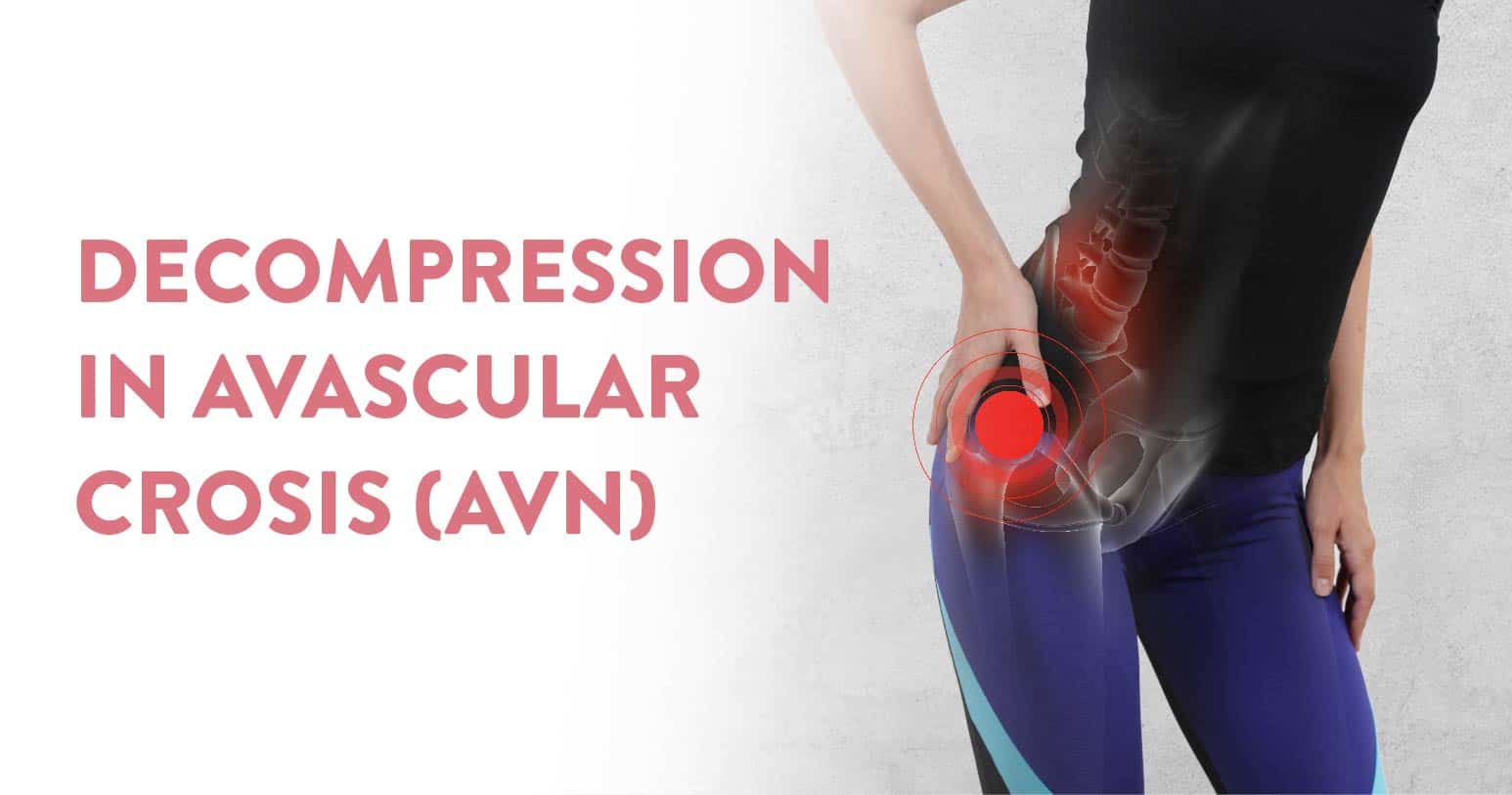
Avascular necrosis, also called osteonecrosis, is a medical condition that arises when there is inadequate blood supplied to the bone tissue. Due to lack of blood and oxygen the tissue starts decaying and eventually achieves the form of necrosis or decay. This fatal condition of avascular necrosis can affect any joint in the body, however, it has been observed that most reported cases are due to pain in the hip joint. Left untreated, the avascular necrosis of the hip can progress towards significant pain and disability. Surgery is the only option for restoring joint function.
Out of these surgical options, the most frequently chosen option is core decompression. In this process the goal is to relieve pressure within the bone tissue of the hip joint. In this blog post, we’ll explore what core decompression is, how it works, and what you can expect if you are considering this procedure.
Table of Contents
The surgical approach of core decompression aims to relieve pressure within the bone tissue of the hip joint. The major goals of this surgical approach are:
Here is a step by step flow of how a core decompression surgery for AVN is performed:
Core decompression is performed under general anesthesia, and usually takes about an hour to complete. Patients are likely to go home in under 24 hours. This procedure can be done successfully in the initial stages of AVN. However, stage 4 level necrosis often poses a much bigger risk, hence timeliness and precision is vital.
Post-operative care is essential as this has an impact on your overall body balance. Patients sometimes may experience some pain and discomfort, for which pain medication is prescribed. Further physiotherapy may be prescribed to help improve the range of motion and strength in the affected hip joint. Some restrictions may be imposed on physical activity or weight-bearing, to ensure a full and speedy recovery.
According to a study published in the Journal of Orthopaedic Surgery and Research, core decompression had a success rate of 76% in patients with early stage avascular necrosis of the hip. Factors affecting the outcome of a core decompression surgery are
The study also found that the success rate decreased to 60% in patients with more advanced stages of the condition. Other studies have reported similar success rates for core decompression in the treatment of avascular necrosis of the hip. However, it is important to note that these success rates can vary depending on the individual patient and the specific circumstances of their condition.
The success rate of core decompression can be significantly improved by choosing a reliable healthcare partner and orthopaedic surgeons for the procedure. When choosing a healthcare provider opt for state-of-the-art facilities supported by experienced medical teams that deliver on the global healthcare standards. A study published in the Journal of Orthopaedic Surgery and Research found that a successful core decompression significantly relies on the skill and judgement of the surgeon.
In conclusion, if you are considering core decompression for avascular necrosis of the hip, it is important to talk to your doctor about the risks and benefits of this procedure, as well as what you can expect during and after the procedure. By working closely with your healthcare team and following their instructions, you can help to ensure the best possible outcome from core decompression. If you are facing any of the symptoms of AVN or need a second opinion, reach out to our award winning orthopaedic department at the CK Birla Hospital, Gurugram. We offer trusted expertise and personalised care across multiple specialties under one roof.
This is an orthopaedic ailment that can be treated by an experienced orthopaedic surgeon. This is a fatal condition and needs prompt attention, diagnosis and treatment to prevent death due to blocked blood circulation in the body.
A cure for avascular necrosis does not exist. However, treatment can sometimes slow down the progress, but there is still no confirmed cure. Most people diagnosed with avascular necrosis eventually end up having surgery, which often includes joint replacement. However, in some cases, people with avascular necrosis can also develop a high risk of severe osteoarthritis.
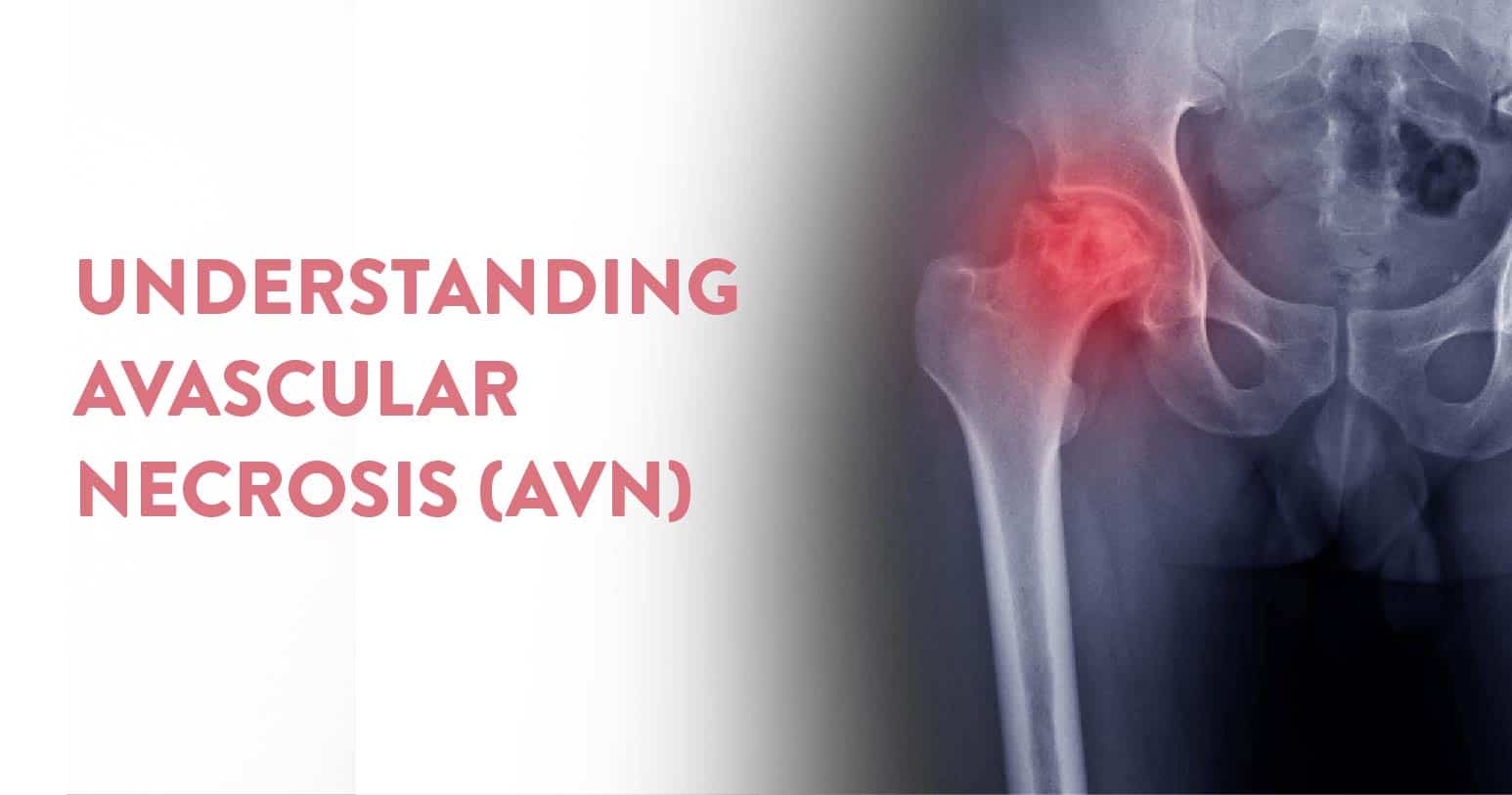
Table of Contents
AVN, also known as osteonecrosis, is a critical medical condition where a part of the bone tissue starts dying due to insufficient blood supply. Avascular Necrosis of the femoral head is when the rounded end of the thigh bone (femur) does not get any blood flow. Eventually it leads to the death and decay of the bone cells, causing the bone to collapse, and the patient ends up with either arthritis and chronic pain. Although avascular necrosis is commonly associated with the hip joint, it can affect other joints as well, including the knee, shoulder, ankle, and wrist
The root causes can be linked to several factors, such as trauma on impact, prolonged use of corticosteroids, heavy alcohol consumption, radiation therapy, and specific medical conditions like sickle cell anaemia and systemic lupus erythematosus. This will surface in the form of pain, specifically in the hip, groin, or thigh regions, limited range of motion, and in severe cases, collapse of the femoral head.
In this blog post, we’ll discuss avascular necrosis of joints, including its causes, symptoms, diagnosis, and treatment options.
The primary cause is the disruption of blood supply to the bone tissue. This can further be traced back to
In some cases, avascular necrosis cannot be explained. These AVNs occur for no apparent reason, which is why they are referred to as idiopathic avascular necrosis. While the exact cause is unknown, it might be due to a combination of genetic and environmental factors.
The symptoms of avascular necrosis vary depending upon the location of pain and severity of the condition. In the majority of reported cases, avascular necrosis is found where there is pain in the affected joint. This tends to worsen when the joint is overused or bears weight. Other symptoms may include stiffness, limited range of motion, and joint instability.
In some cases, the condition can further deteriorate to the point where the affected bone may collapse causing a sudden onset of severe pain and disability. Hence it is vividly clear that AVN needs prompt medical attention and a quick as well as safe diagnosis.
The diagnosis of avascular necrosis requires a certain level of urgency since this is primarily triggered by a compromised circulation of blood. Initially it starts with a physical exam and assessment of prior medical history. Further your doctor may also prescribe more investigation in the form of imaging tests, such as an X-ray, MRI, or CT scan, to help confirm the diagnosis and determine the extent of the damage.
In some cases, your doctor may also recommend a full body bone scan, which involves injecting a small amount of radioactive material into the body bloodstream, which will flow through the body and help identify areas of bone that are low on blood supply in the imaging report.
Impaired circulation will lead to a smaller window for treatment, hence prompt action is essential. Based on the stage of necrosis here are the various diagnostics performed:
The treatment of avascular necrosis also depends on the location and severity of the condition. But it differs based on the underlying cause. The ultimate goal of an AVN treatment, surgical or non-surgical are:
There are no guaranteed ways to prevent avascular necrosis, however, you can reduce your risk, by avoiding excessive alcohol consumption, and managing other medical conditions.
A person suffering from AVN will not be able to detect the problem easily. Circulation impairment is always a fatal condition which needs timely medical intervention. If and when you notice recurring excruciating pain in the joint areas, it is always recommended to speak to an expert. In this case the specialists would be an orthopaedic surgeon, since most AVN conditions quickly escalate towards surgery.
At the CK Birla Hospital, we ensure patients get holistic medical support which includes treatment in a compassionate environment. This patient-centric approach not only helps patients heal better but also ensures they are aware of the preventive measures as well. In case you need to consult an orthopaedic surgeon, do reach out to our award winning Department of Orthopaedics or book a direct appointment with Dr Ashwani Maichand at the CK Birla Hospital. (Booking Link)
This is an orthopaedic ailment that can be treated by an experienced orthopaedic surgeon. This is a fatal condition and needs prompt attention, diagnosis and treatment to prevent death due to blocked blood circulation in the body.
A cure for avascular necrosis does not exist. However, treatment can sometimes slow down the progress, but there is still no confirmed cure. Most people diagnosed with avascular necrosis eventually end up having surgery, which often includes joint replacement. However, in some cases, people with avascular necrosis can also develop a high risk of severe osteoarthritis.
Stage 1: Diagnosis from normal radiographs
Stage 2: Cystic changes and sclerosis visible on imaging
Stage 3: Subchondral collapse or femoral head flattening
Stage 4: Joint space narrowing

Robots have been used in surgery since the late 1980s, and in orthopaedic surgery since 1992. Overtime, the technology has evolved and showed promising outcomes when compared with traditional orthopaedic procedures. Currently these are performed in two modes: haptic and autonomous.
Robotic or Robot-assisted surgery, is taking minimal access surgery to the next level with a plethora of advantages for the surgeon as well as the patient. Currently used in a majority of surgical procedures, it has enabled surgeons to perform common and complex procedures with greater safety and precision. Results of the above have proven to be beneficial from the patient’s as well as the surgeon’s perspective.
Table of Contents
A robot assisted surgery is primarily a robotic system that is controlled by a surgeon. The surgeon operates from a console near the operating table, which controls the arms of the robotic system. The surgeon’s hand and wrist movements are exactly replicated by the tip of the wrist on the robotic arm. This arm has a wide array of movement and flexibility to overcome the limitations of a human wrist.
Due to this robot enabled dexterity, the surgeon can navigate into areas in the surgical space which were previously not accessible in conventional surgical approach. Moreover, the robotic system lends the surgeon a higher depth in perception due to a 3D surgical imaging technique. This vastly increases the accuracy and safety of the surgical procedure.
Some of the key advantages of robotic surgery are:
Robotic systems come with an in-built safety mechanism that is factored in with algorithms of artificial intelligence and machine learning. Most laparoscopic surgeons find the transition to robotic surgery seamless, and adapt easily with a short learning curve. The excellent patient outcomes, increased surgical control over the safety measures and the enhanced accuracy of the procedure are gradually making robotic surgeries the preferred option for healthcare providers far and wide.
The most successful implementation of this technology has been observed in the case of Total Knee Arthroplasty. Let us understand how conventional, navigated and robotic TKA’s compare when choosing the best outcomes in a TKA surgery.
Compared to conventional total knee replacement or arthroplasty, robotic or robot assisted surgical approaches give far better outcomes. Let us understand with a simple comparison.
Clearly there are more problems to this approach which has been reported by patients and observed by specialists over time. To overcome this they moved to a navigated TKA surgical approach.
Navigated TKR fares much better than the conventional approach as it follows a planned prototype approach to eliminate errors.
However, in comparison to both these approaches, the only concern which was still unaddressed was accuracy. This is where Robotic TKA takes the edge above rest.
Here a robotic device helps execute the pre-operative patient-specific plan with a high level of accuracy.
To ensure that the robotic TKA surgery finds maximum success potential for the patients, we at the CK Birla Hospital, also use CUVIS Joint system to ensure that every surgical outcome leads to a more natural recovery and better quality of life.
The advantages of the CUVIS Joint system are mainly attributed to its comprehensive preoperative plan, intraoperative monitoring, patient specific and appropriate intervention by surgeons. These joints contribute majorly to the success of a TKR due to:
Surgeries must not prevent us from leading a healthy regular life, they must ensure that we all get a chance to overcome pain and experience the unlimited joys that life has to offer. At the CK Birla Hospital we ensure our patients get the best surgical outcomes to lead a better life.
By implementing the latest innovations in surgical techniques we not only improve the chances for our patients, but also enable our award winning team of orthopaedic surgeons to keep delivering on the promise of world class healthcare services.
If you are thinking of getting a total knee replacement, now is the time to ensure that you get the best surgical results. For a consultation and more information about this approach, Book an appointment with Dr Ashwani Maichand today.

Having sleepless nights can be a choice for some and a liability for many. To quote the famous words of author F. Scott Fitzgerald, “The worst thing in the world is to try to sleep and not to.” While the whole world regales in the romanticism of sleepless nights, it is a big deal for a person with sleep disorders. Sleep disorder is a broad umbrella term that includes many different medical conditions. It is often the starting point of most mental health issues which gradually surface over time.
So if you can’t get any “shut-eye” despite multiple efforts or are not able to sleep despite everything being “normal”, read on…
Table of Contents
As mentioned earlier, sleep disorder refers to various medical conditions that affect sleep quality & duration, and directly affect the person’s ability to properly function during the day when they are awake. To date, there are 100+ sleep disorders broadly based on the cause, symptoms and physical and psychological effects. But most disorders can be classified under the following:
These are all signs of a disorder that are either physical or psychological and need medical intervention.
Those who get at least a good uninterrupted 8 hours of sleep are normal and do not fall under the category of sleep disorders. But those who might be suffering from sleep disorders get bogged down by:
Once this condition starts, it does not seem to stop and eventually becomes a big roadblock in leading normal day-to-day life. Each of these triggers leaves a negative impact on our energy, mood, concentration, and overall health. The best way out is medical treatment and lifestyle changes.
Experts suggest that prompt diagnosis helps resolve the condition faster as prolonged sleep disorders become deep-rooted with further health complications. Since the conditions are linked to mental health issues they can directly affect
Symptoms of each type of sleep disorder depend on the severity and type of disorder. It will also depend on the severity of any underlying condition. Generally, the notable symptoms are:
Your physician will assess your concerns and suggest one or more of the following tests as per the underlying symptoms.
The results from these tests are vital inputs in determining the proper course of treatment for the patient. Based on the findings lifestyle changes will be suggested to help revive the circadian rhythm of the body. Such as:
Apart from this, the doctor might prescribe medicines like sleeping pills, melatonin supplements, allergy & cold medication, dental guard (teeth grinding), breathing device(sleep apnea), and any other medication as the specialists deem fit. Please note: never opt for medication unless expressly advised by the doctors for any sleep disorder.
The impact of sleep disorders can be disruptive. There will be a point where you will seek immediate relief. But that will only be possible for short-term cases, as old persisting cases take time to heal. But whenever sleeplessness starts interfering in your everyday life it is imperative to seek medical intervention. In case you are facing a similar concern do not hesitate to walk in or call us at (number) to book an appointment with a sleep specialist. You might just be solving a much bigger problem by opting for prompt diagnosis at the CK Birla Hospital. Book an appointment with leading Pulmonologist Now.
.
Sometimes the cause cannot be determined properly. However, most sleep disorders are caused by:
The three most popularly found sleep disorders are:
There can be different treatment approaches, but ultimately these conditions are curable with a little discipline.
Make your oasis to rest and recuperate.
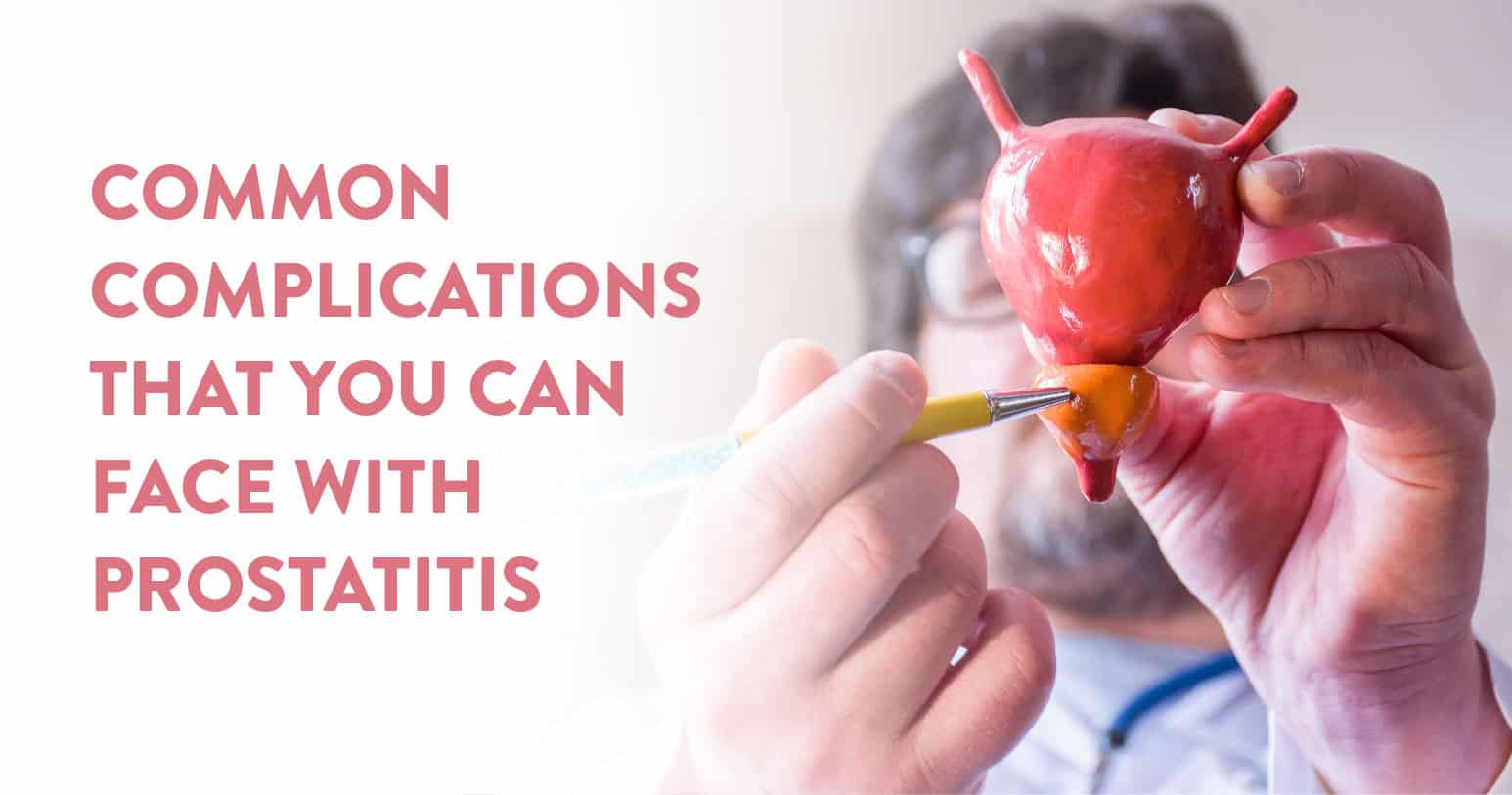
There are many diseases men experience about which they do not open up. The prostate gland in men has multiple functions and each function is very vital. While it manages the excretory system it also manages their fertility. One of the major concerns in men, observed by urologists is prostatitis. Let us understand the condition better to help the men in our lives cope better with this disease.
Table of Contents
The prostate is a key part of the male reproductive system. Its main function is to prepare the fluid that goes into semen. This prostate fluid is therefore vital for male fertility. The prostate gland is a walnut-shaped structure that surrounds the urethra near the bladder. The urethra joins the bladder at its neck forming the lower urinary tract. The prostate has two or more lobes enclosed by a layer of tissue, located in front of the rectum, below the bladder. The urethra carries urine from the bladder to excrete. However, in men, the urethra is also responsible for carrying out semen through the penis.
Now that we understand what a prostate is, let us now understand in the next section, what prostatitis is.
A painful condition of an inflamed prostate gland and inflammation in the adjoining areas of the prostate is called Prostatitis. Based on the location and cause of the condition, prostatitis can be classified into 4 distinct types:
In the case of asymptomatic inflammatory prostatitis, the symptoms are not visible and are mainly diagnosed when we are testing for other urinary tract disorders. This variant usually doesn’t cause complications and hence does not need any specific treatment.
Prostatitis is a seemingly common urinary tract-related condition for men aged less than 50 years, but seniors are also susceptible to this in old age but the frequency is lesser. Of all the variants, the highest reported cases belong to chronic prostatitis. Other than this the following have a higher risk of getting prostatitis.
You Can Also Read: The Link Between an Enlarged Prostate and Prostate Cancer
Each type of prostatitis has different symptoms and causes.
Chronic prostatitis or chronic pelvic pain syndrome:
The exact cause is unknown. However, it may be linked to the chemicals or microorganisms in urine, excluding bacteria. Apart from this a weak immune system due to a previous illness such as UTI or traumatic nerve damage might also cause this type of prostatitis.
Acute and chronic bacterial prostatitis:
As the name suggests it has to be a bacterial infection in or around the prostate gland that causes bacterial prostatitis. The acute variant happens suddenly and lasts a short while. Chronic variant develops slowly and last longer, sometimes even up to years. If this is an extension of a bacterial UTI, then the bacteria usually travels from the urethra into the prostate gland.
The symptoms will vary with each type of prostatitis. The range of symptoms varies depending on the cause and the body composition of different individuals.
Symptoms of Chronic Prostatitis:
Symptoms of Acute and chronic Bacterial Prostatitis:
You Can Also Read: Premature ejaculation-causes, symptoms and treatment
While prostatitis is treatable, the more severe condition is caused by a bacterial infection. Hence the commonly observed complications are:
If untreated, prostatitis can become much more severe and can also progress towards prostate cancer and permanent male infertility. So, you must get immediate medical attention when any of the above-mentioned symptoms show up.
Bladder issues, prostate pain and hyperplasia can also signal prostate cancer in the early stages. Therefore men must seek immediate medical help when they notice problems like
A urologist will examine your symptoms and conduct a physical test. Then you will be asked to do a urine sample test which will reveal if there is any bacterial intervention, if yes then the bacteria will be identified with a urine culture report.
Then to check your flow of urine, a uroflowmetry test will be performed where the doctor will check the pressure of your urine. Finally, the doctor will inquire about any family history of prostate-related issues.
Depending on the outcomes of initial tests, the urologist may suggest further blood tests, cystoscopy, transrectal ultrasound, sample biopsy, etc. if he has anything which suggests that the symptoms are early signs of prostate cancer.
To summarise, prostatitis is not a fatal disease or condition. However, it might be an indication of a bigger concern that may be brewing underneath. So it is always safe to get regular prostate exams, at least annually to ensure that you keep conditions like prostatitis at bay. But if you have a family history of this condition or are experiencing any of the aforementioned symptoms it is best to reach out or book an online appointment with our award-winning team of urologists at the CK Birla Hospital.
These are some of the common reasons which might make your urologist suspect that you might have prostatitis.
But always get checked and tested under the guidance of a urologist before self-diagnosing yourself.
Prostatitis is often caused due to unexplained inflammation and bacterial infection. Therefore it is not something that can be passed on through sexual intercourse. However, in some cases, it is seen that a sexually transmitted infection might be the cause of Prostatitis symptoms.
Practise safe sex and always consult an experienced specialist in case of any discomfort.
Prostatitis is caused by a bacterial infection. UTI is also caused by bacterial infection. And the symptoms for both are the same. In the case of Acute or Chronic Bacterial Prostatitis, it acts in the same manner as a UTI infection. Always get an experienced urologist’s opinion to ensure you get prompt and timely treatment.
Did you know that diabetes is genetic? That means if anyone in your family has diabetes, there are very high chance that you have inherited it too, from the day you were born! International Diabetes Federation says that as of this day in 2022, India has 77 million people suffering from Diabetes and it is one of the most prevalent kinds of inherited disorders people suffer from worldwide. But type 1 & 2 diabetes is just one of the many congenital and inherited metabolic disorders that people suffer from. What other metabolic disorders are passed on from generation to generation? Let’s find out.
Table of Contents
To understand what inherited metabolic disorders are, first we need to understand metabolism and metabolic disorders.
When these disorders become congenital and are seen to develop naturally in the next generation, it is called an inherited metabolic disorder.
So now that we understand metabolism and metabolic disorders, let us identify the causes of inherited metabolic disorders.
As the name indicates, the disorder has to develop in humans congenitally. Some of these disorders are so deep-rooted that they are typical for a specific racial profile as well. For instance, a person can be born with a malfunctioning pancreas or liver and over time it rapidly deteriorates. These further depend on factors like:
Further another cause can be a mutation of genes passed down through generations in families. Based on racial profiling these are some of the most observed genetic metabolic disorders:
Research suggests that a man with type 1 diabetes is likely to have a child with diabetes in 1 out of 17 cases. For women, if the child is born before 25 years, the probability will be 1 in 25 but for delayed pregnancy, the odds go down to 1 in 100.
Further, your child’s risk is doubled if you develop diabetes before age 11. If both you and your partner have type 1 diabetes, the risk is between 1 in 10 and 1 in 4.
As enumerated above, inherited metabolic disorders can be highly diverse in their origin and cause as it affects the body in a lot of different ways. But the most common signs are:
Since the origin is congenital it is more likely to be spotted at the time of birth. However, if the problems are triggered later in life the usual process is:
To summarise, it is not easy to live with an inherited metabolic disease and in most cases these cannot be cured. However, they can be managed through proper management to prevent fatality. If your family has a history of metabolic disorders it is essential for you to regularly check for symptoms and get a full body checkup done annually to keep the problems at bay. You can reach out to our specialist in endocrinology by booking an appointment or simply walking into the nearest CK Birla Hospital.
You reach out to an endocrinologist and get yourself assessed for any kind of symptoms mentioned above. The doctor will suggest you some blood tests to understand the kind of metabolic disorders you may have. Sharing your family’s medical history helps immensely.
Poor metabolism leads to hormonal imbalance affecting the thyroid causing weight gain. It can also restrict the production of insulin used to break down carbs in the body leading to weight gain. There can be some unexplained weight gain that is also linked to this condition.
Since a lot of the problems are on enzymes and hormones it is effectively looked into by an experienced endocrinologist. Apart from this, a paediatric surgeon can identify problems spotted at birth.
If you have it then a lifelong commitment to a healthy lifestyle may save your next generation from inheriting it.
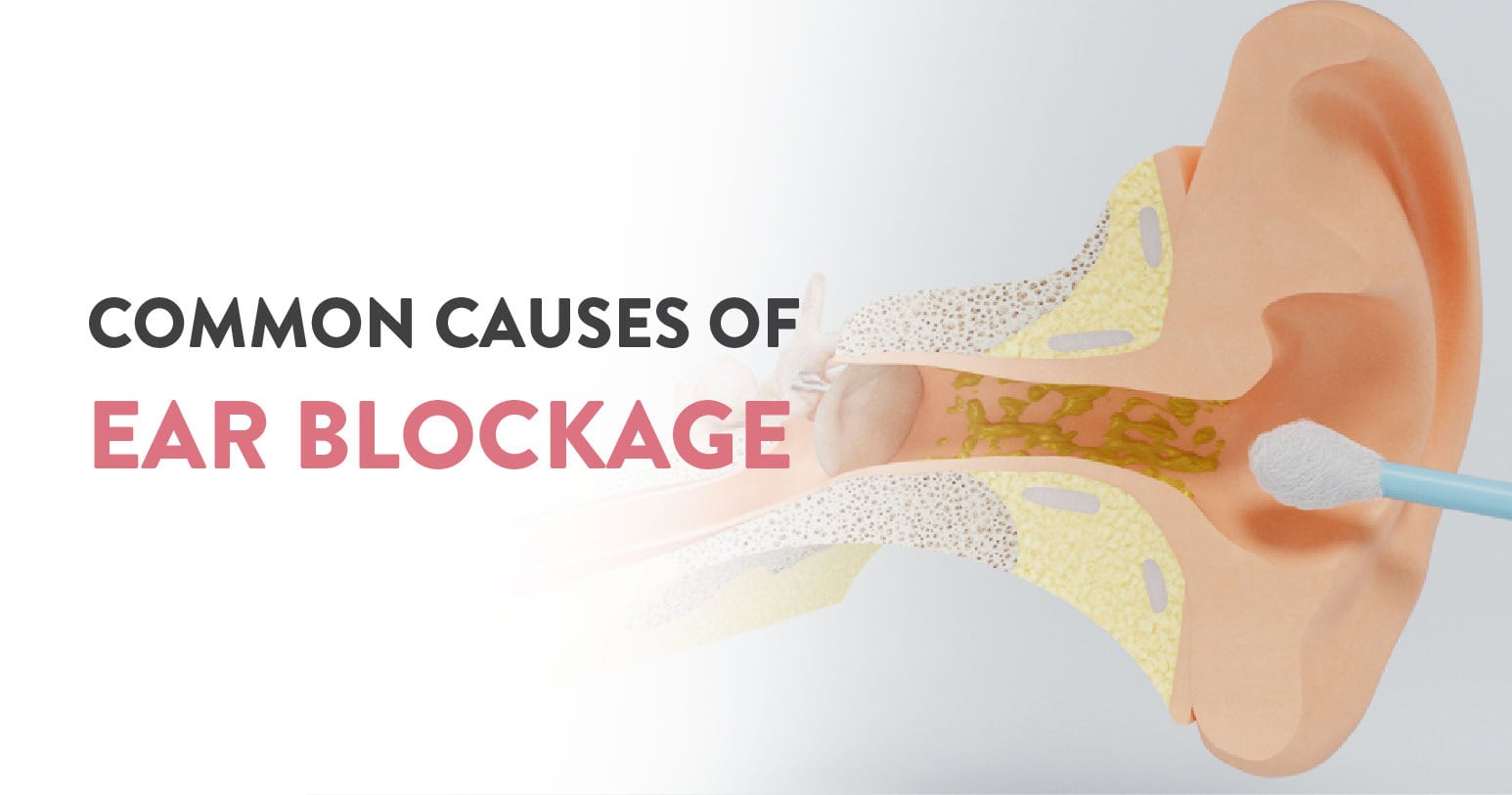
It’s the Great Indian Wedding season. You are home, stuck enduring unlimited loops of the party anthem of the year, playing at the wedding next door. You just want the song to stop. You plug a finger in each of your ears and hope for the ordeal to be over with. Finally, the song ends. You remove your fingers and another problem now irritates you more than the song did. Your ears have blocked and now you hear everything at a lower volume. You try undoing the damage but in vain.
This kind of situation happens to everyone at some point of time in their lives. Ear blockage can be very irritating and the causes may be multiple. Sometimes it is a simple air pocket that releases on its own. While at other times it might be a symptom of something more severe like anxiety or Meniere’s disease. So what causes ear blockage? What are the symptoms and treatment for ear blockage? For all these queries and a lot more awareness read on…
Table of Contents
When you start hearing less and when loud voices also start sounding muffled, your ears might be clogged or plugged up. Multiple reasons can lead to ear blockage. Common ear wax is the primary reason for the blockage, but sometimes there could be nothing in your ear canal and the blockage still exists.
Let us understand the various causes of ear blockage in the next segment.
While the reasons are not always apparent, the most common causes behind ear blockage are:
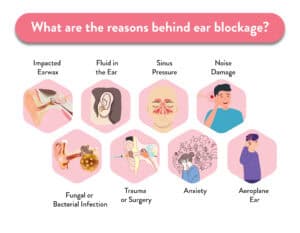
Our ear’s self-protective measure is earwax. The stickiness of ear wax acts as a lubricant for the middle ear canal, traps dirt & pollutants, and helps clean out the ear canal like a natural cleaning agent when it falls off the ear by itself. But when the ear wax becomes impacted, it directly affects your hearing ability.
How to know if your blockage is due to impacted ear wax? Here are the symptoms
Never try to poke your ear or extract wax with a cotton swab, peroxide or baby oil. This will make matters worse and might end up affecting your eardrums.
When the fluid gets stuck in the middle ear it can lead to ear blockage. This can also happen in several ways. Such as:
A stuffy nose, blocked ears and tenderness on the face are the outcomes of sinus pressure. These symptoms can also lead to a temporary hearing loss. This is because the sinus is located beside the ear canal. So when the sinus cavity experiences inflammation, it results in the swelling of Eustachian tubes closing the connection between your throat and your ear. This makes clogged ears feel much worse. But if the inflammation grows more severe it can lead to temporary hearing loss.
Barotrauma or aeroplane ear condition is another cause of ear blockage. When you are on a flight, your ears cannot properly adjust to the changing air pressure.
Noise is the biggest cause of hearing loss in people. Exposure to loud noises, explosions and blasts can lead to people experiencing blocked ears.
Ear blockage can be due to various other underlying health causes also. Such as anxiety or panic disorder. This can cause fullness, pressure and pain in the ears due to some triggering event. During these episodes, You have a constant urge to pop your ears to relieve the stress and feel better.
The most severe cause is linked to Meniere’s disease. This inner ear condition is often accompanied by tinnitus, dizziness and hearing loss. This makes our bodies lose their balance over time.
Trauma or injury to the head can cause ringing and aural fullness of the ear. This makes you feel as if your ears won’t ever pop.
Sometimes children put small things in their ears which can cause blockage. An insect worm or any foreign object inside the ear can also create problems.
Unclogging your ears at home is a welcome option for all of us since the experience of a clogged ear can be frustrating. However, we need to understand what is good or bad in terms of home remedies that will not impact the overall well-being of our ears.
| What not to do for earwax blockage? | What to do for earwax blockage? |
Any invasive means of cleaning is not advisable:
|
Find only the minimally invasive means of cleaning and maintaining the hygiene of your ears. |
Now let us understand the various treatment options available to us in case of an earwax blockage.
In addition to these, you can always use the humble hair dryer to easily dry out all the water after a bath and keep the ear dry.
You Can Also Read: Ear Bleeding – Causes and Treatment
The ears are very delicate parts of our body. Blocked ears can make you very distracted from your daily work. However, in case this comes along with symptoms like fever, pain or earache, do not waste time seeking medical help.
As a preventive measure, one can always get their ears assessed by a specialist who will evaluate their hearing to set a good benchmark for your healthcare provider to use in an emergency.
To summarise, a blocked ear or ears can be a huge inconvenience, and worse, a health risk. When a blockage happens out of the blue, you are left preoccupied with trying to relieve yourself of it. To help you in the long run, consult a professional ENT specialist who will be able to regularly keep your ears clean and monitor your ears for any kind of problems. At the CK Birla Hospital, we urge all our patients to get into the habit of regular checkups to stay ahead of any kind of health hazards. Think you might want to start now? Then walk in or book an appointment here with the leading ENT Doctor at CK Birla Hospital.
The ear blockage depends on a lot of conditions. But primarily the ear with more accumulated ear wax will have a greater tendency to get clogged or blocked. This can also be due to the existence of a fungal or bacterial infection in the middle ear. The ENT will usually clean out the infection through professional ear drainage and prescribe a course of antibiotics to overcome the infection.
Sometimes in very rare cases, a blocked ear may be due to a benign growth inside the middle ear. This might take a serious turn if the benign growth goes rogue. A blocked ear can also indicate harm and cuts to the ear canal or the ear drums. Since the area of the ear is very small a blockage, though usually harmless, must be given due importance if it does not disappear on its own.
Passive techniques and activities to open up your eustachian tubes such as yawning, chewing gum, gulping frequently, saltwater gargling and drinking water may ease ear clogging naturally.
Apart from this, you can always take steam with essential oils like peppermint or tea tree which will help ease out the blockage.
Sometimes an ear blockage might be due to an air pocket stuck between ear wax. Sometimes it tends to resolve on its own without any intervention. A blocked ear can last a few minutes to even months depending on the underlying cause.
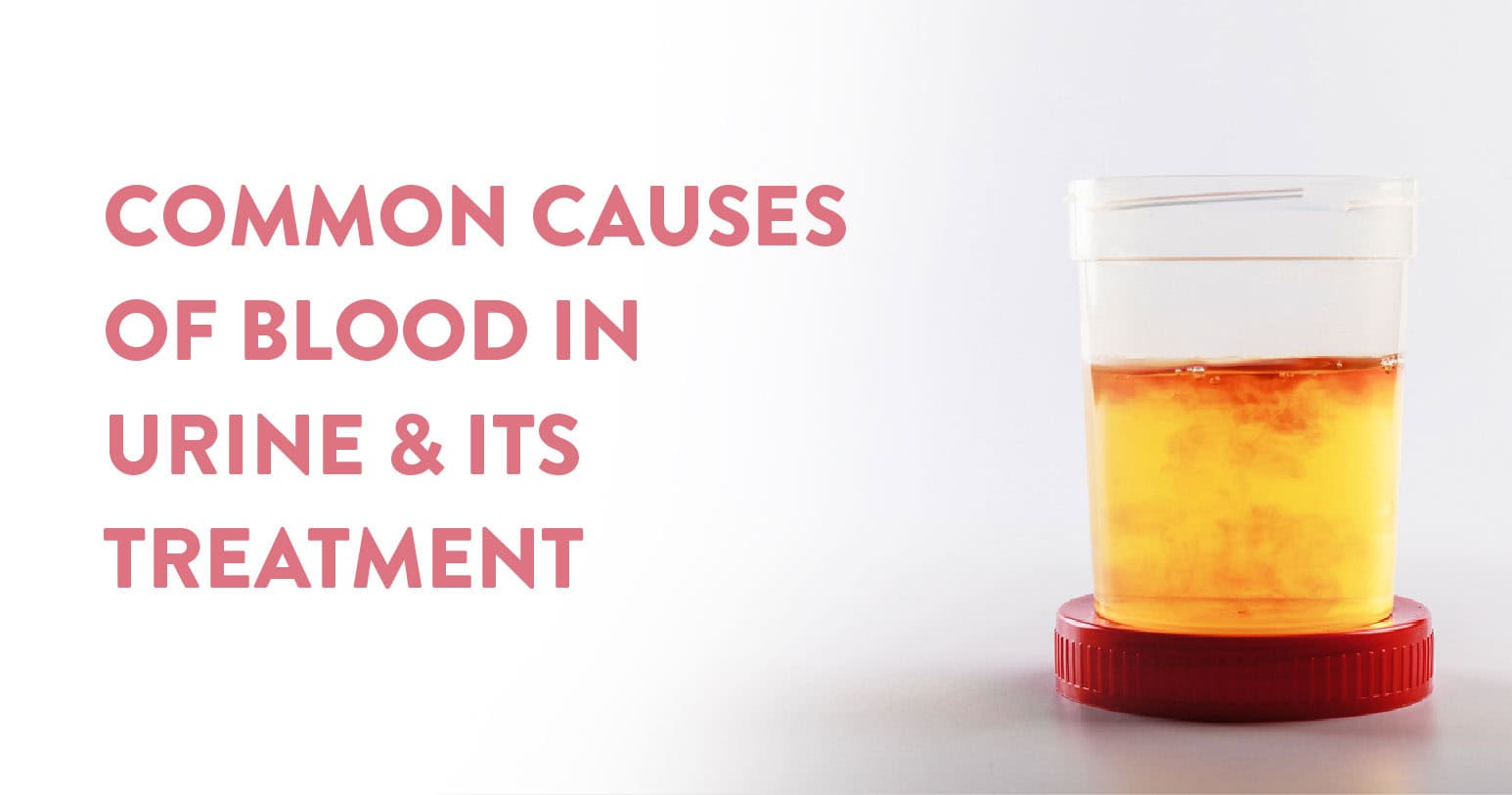
If you are undergoing your periods it is very common to think that when you pass urine you are passing blood with it. The source of the blood is not the same as the source of the urine. However, in cases other than this if you notice red or pink urine it might be a warning sign from your body about an underlying disease waiting to surface. What does this mean? What are the possible diseases it might indicate? To know all about this,
Table of Contents
In medical terms, the condition where you get blood in your urine is called Hematuria. There can be several different causes of hematuria or blood in the urine. It can range from rare blood disorders to cancer or kidney disorders. But don’t be alarmed, sometimes the blood is visible and other times it might be present in such small quantities that it’s not even seen by the naked eye. Mainly hematuria is of two types:
But no matter what the reason or amount, any signs of blood in urine is a sign of a serious health problem, which is why ignoring hematuria is never a good idea. This might just be a symptom of a fatal disease like prostate cancer or kidney failure, hence it is important that it is promptly treated.
You Can Also Read: Hematospermia (Blood in the Semen)
While there are multiple causes, in some cases, the blood may be coming from a different source. So first one must confirm the source of the blood, this is because in the following cases it may show up when you urinate:
When it is none of the above and the blood is in your urine, then these may be the possible causes:
Apart from diseases, blood in urine can be due to blunt trauma to the prostate or Kidney area.
While this can happen to anyone, there are some who are at greater risk of getting blood in their urine.
| Risk Factor of Hematuria Explained |
| Age Factor | Men above the age of 50 are at higher risk due to the chances of an enlarged prostate gland. This risk is similar in cases of prostate cancer. |
| UTI (across ages) | Men, women and children get blood in urine whenever they contract UTI. |
| Inherited Problem | A family history of kidney diseases can be a high risk factor. |
| Medication Side-effects | Blood thinners, pain medication, antibiotics etc., taken in a frequent manner can trigger hematuria-like conditions too. |
| Hardcore Exercise | Contact and high-performance sports can also cause this problem. It is very commonly seen in marathon runners. |
It is advisable to consult a urologist for the blood in the urine. They will assess the amount of blood you find during urination, your frequency of urination, the pain you feel and the medications for any other existing comorbidities you’re currently on.
After that, you will have a physical examination and a urine sample will be collected for testing and urine culture. The analysis will confirm the presence of blood and detect the cause of the infection. The doctor will also suggest blood work in case there is any symptom that might indicate cancer. If the CA 125 blood test suggests cancer, an imaging test like a PET CT scan will be done to isolate cancer.
Apart from this, your doctor might suggest a cystoscopy, where a small tube is sent up the urethra with a camera to examine the insides of your bladder to isolate the cause of the blood in your urine.
Simply put the treatment will not be directed towards blood in urine, but instead towards what is causing this.
Sometimes athletes who undergo rigorous aerobic training can also end up with slight bleeding in their urine. So the best way to treat the problem is by treating the underlying disease that caused it.
If the underlying disease stays untreated, then the body might develop complications associated with hematuria. If it is a symptom of cancer, ignoring it will lead to the formation of new tumours and if it is a symptom of a UTI then it might lead to kidney failure. Basically, it will reach a point of no return. Hence prompt diagnosis is the best way forward.
You Can Also Read: Guide to identifying UTI and managing its risk
Preventing blood in urine will require preventing the underlying causes. Hence each situation will need to be dealt with accordingly.
Runners are most often affected, although anyone can develop visible urinary bleeding after an intense workout. If you see blood in your urine after exercise, don’t assume it’s from exercising. See your doctor.
To summarise, it is never a good sign to spot blood in the urine. So if this is ever a problem you find yourself in, reach out to our team of award-winning urologists and get prompt treatment before conditions worsen. Book an appointment with a leading urologist at the CK Birla Hospital, today.
A polycystic kidney is a congenital disorder where one has a tendency to develop multiple cysts in the kidneys. In case any of these cysts burst, one will find blood in the urine. Over time unless properly managed, polycystic kidneys lead to kidney failure or cancer. So it is better to get diagnosed early on and live a better life.
Yes. This means that you are undergoing gross hematuria. You should immediately seek help from an experienced urologist who will diagnose the cause of the blood. In case you experience painful and frequent urination or pain in the pelvic region with pink urine it is a clear sign of a major problem in your kidneys.
When we pass our first urine of the day or we don’t urinate for long hours our urine resembles a reddish-hay colour. This is because urine also contains blood which is not visible to the eye. The normal range of blood in this situation is 4 RBCs under the microscope. Anything more is a cause for concern.
Anxiety and urination are well-linked. We always urinate more before any major event where we are stressed or anxious. Similarly, bloody urine and anxiety can also be linked to each other. When we are anxious, the mucosal defences of our body are lowered which might lead to bloody urine.
Yes. It may come and go. However, it is always safe to consult a specialist for this. Especially if you are nauseous, feverish and have pain in the lower back or abdomen. Seek emergency support if you start seeing blood clots in your urine.

