Filter :
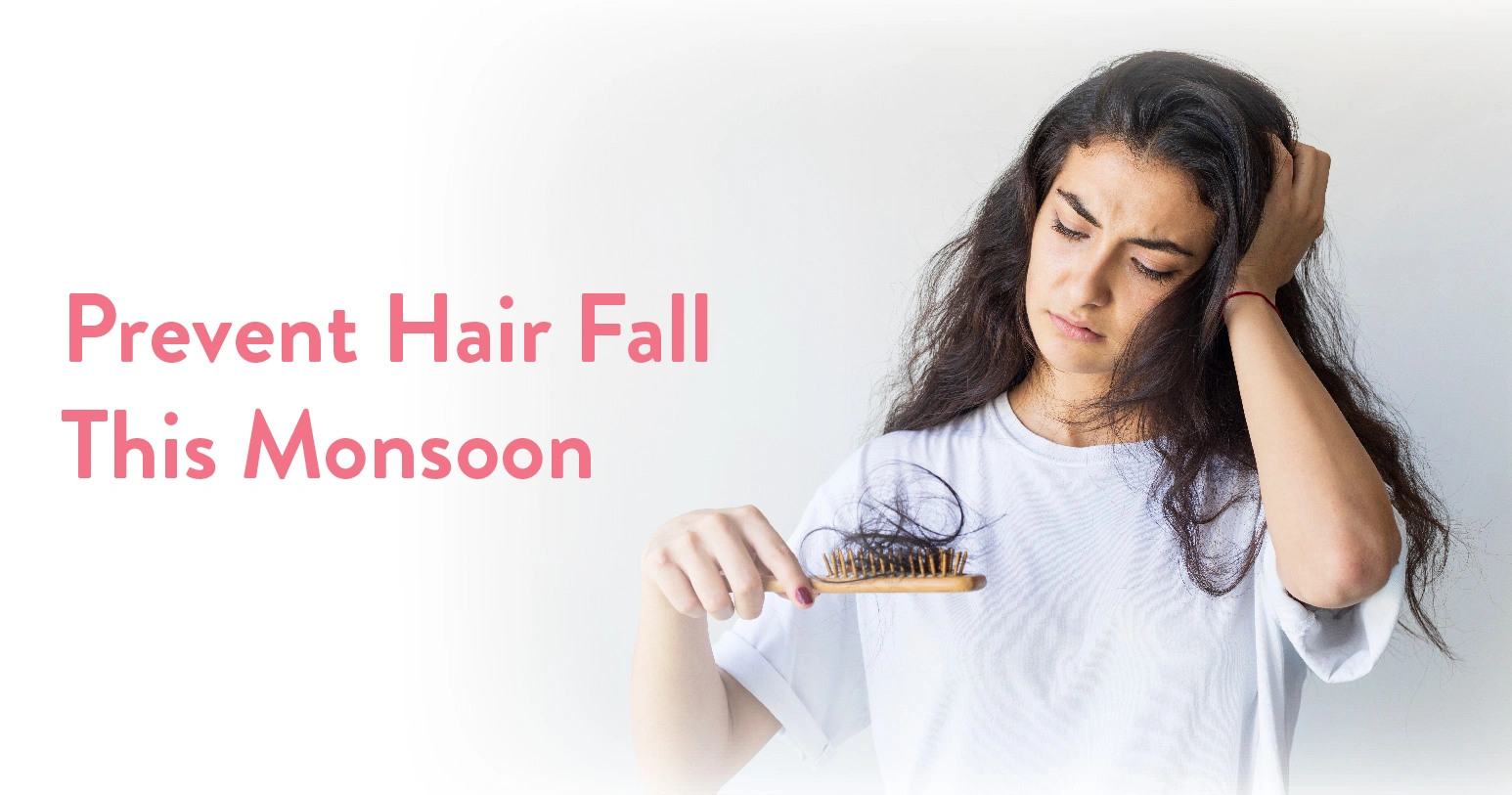
Our hair hardly gets a chance to flaunt its glory in the Indian climate. Summer goes away tied up in braids, flipped into buns, and secured in ponytails, all the while being wrapped in summer friendly headgears against the raging onslaught of the heat and harsh UV powered sunlight.
And then arrives the moisture laden monsoon. But it does not bring any respite from the heat, instead the humidity made matters worse. Now not only is the hair tied up but also wet from the perspiration of our scalp and frizzy due to humidity.
Our hair often ends up becoming a silent victim to the sudden change in weather condition. As the monsoon goes into full swing, the increased humidity, sudden downpours, and the overall dampness in our surroundings leads to twice the hairfall one would normally experience during other seasons.
While we can’t change the weather, we can change how our hair adapts to the changes in the best possible way. Let us understand the impact of this transitional climate on hair health to determine which hair care routines can help maintain lustrous, healthy hair throughout the season.

Of all the problems hair faces during the monsoons, hair fall is a constant problem every single individual faces. Losing hair is often more psychologically scarring than anything else.
When you find excessive hair on the brush or at the end of a shower by the bathroom drain a certain sense of insecurity gets triggered in all of us, after all hair is our crowning glory. But it doesn’t have to be all grey and cloudy in the monsoons.
When life gives us humidity, we need to find ways to make sure that our hair gets space to breathe free from constant bondage and damp wetness. The best way is to come up with a proper hair care discipline so that our beautiful manes get the attention they deserve.
Here are some experts tips to ensure your hair remains healthy and vibrant during this season:
“To combat the adverse effects of the monsoon on hair, adopting a comprehensive hair care regimen is essential” says Dr Ruben Bhasin Passi, leading dermatologist at the CK Birla Hospital, Gurgaon.
While hair care rituals are mostly homemade and discipline of grooming your hair is handed down from one generation to another, extreme unexplained scenarios need medical intervention. This is why it is advisable to consult a dermatologist periodically to know how much and how far attention is needed.
The monsoon season, with its unique set of challenges, demands a tailored approach to hair care. By understanding the specific needs of your hair during this transitional period and incorporating the right practices, you can ensure your hair remains healthy, strong, and beautiful. If you need help, reach out to our expert dermatologists at the CK Birla Hospital, Gurgaon and get a customised solution to your hair problems.

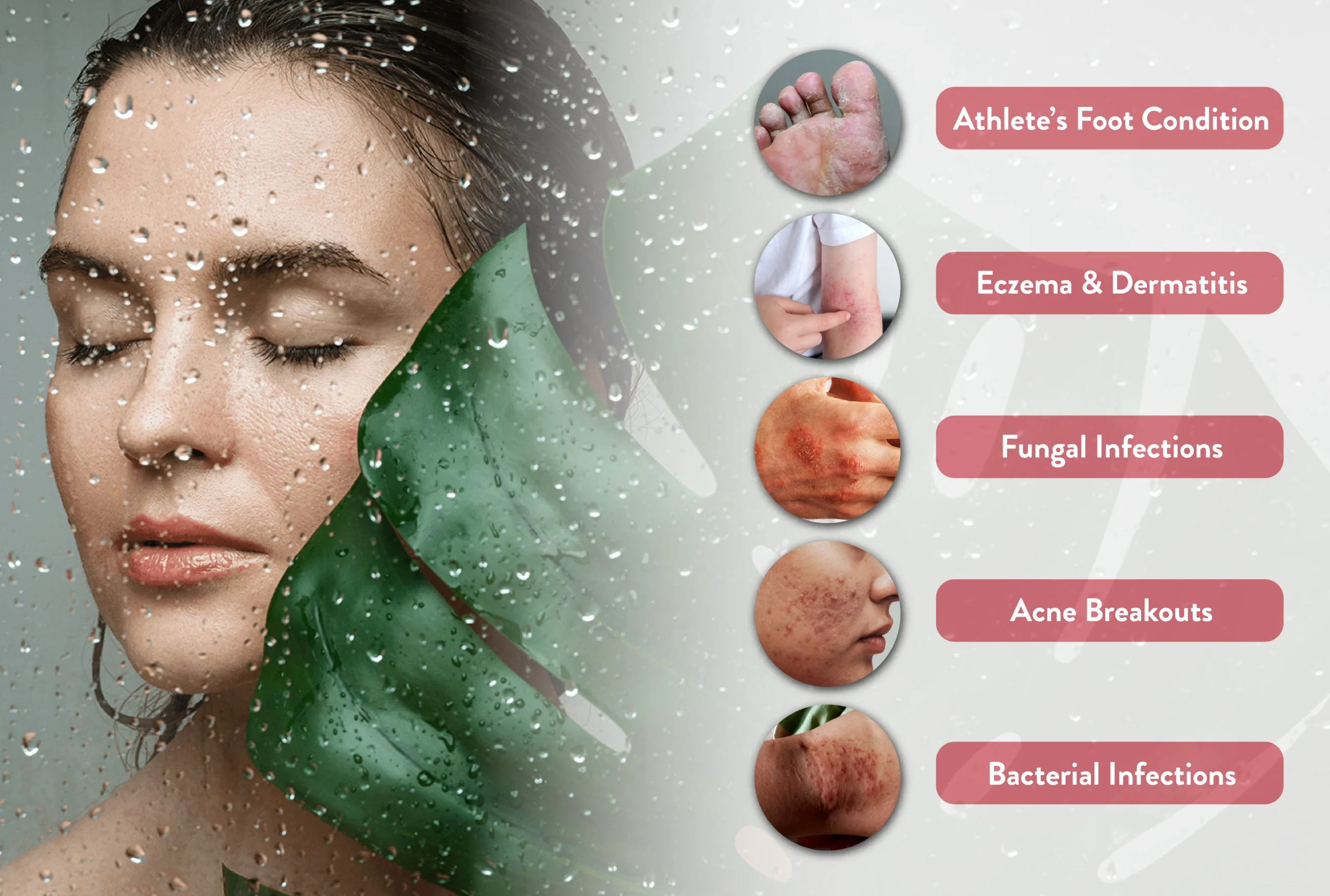
While the scorching summers leave us craving for rain, the rainy season is not completely bereft of its share of problems. The most common form of these problems show up on our skin in the form of infections, rashes and so on. These skin related challenges can not only be uncomfortable to bear but can also leave behind scars that might quite literally leave a lasting impression.
But what makes the rainy season so difficult? Firstly, the fluctuating temperatures turn the skin into a breeding ground for various recurring skin problems. Secondly, given the level of humidity and sweat that the body undergoes, it is difficult to sustain a good skincare regime since skincare products leave the skin feeling more greasy and uncomfortable. Let us categorize the various causes of skin problems during monsoons:
So what is the solution? How can you strike the right balance to overcome these potholes? Read on to know the best monsoon skincare tips from our experts.
But despite all precautions, sometimes we cannot prevent everything. This is when you need to consult a dermatologist who will guide you in a ways to manage the different skin conditions.
“Skin care is not a one time affair. It is ongoing and needs a disciplined approach.”, says Dr Ruben Bhasin Passi, our resident dermatologist at CKBH Gurgaon. She further explains, “this approach will help prevent seasonal problems and keep the skin clean and infection free.”
But if you are already facing problems, here are some of the remedies that can help manage monsoon induced skin woes:
It is quite evident that monsoons can be an extremely problematic time for the skin. This is especially true in case you already have sensitive allergy or infection prone skin. So it is always advisable to have a reliable skincare routine and consult a good dermatologist who will be able to monitor your skin concerns regularly and give you the best tips and suggestions to stay healthy. In case you or your loved ones are affected by the ill effects of the monsoon, we urge you to reach out to us and book a consultation with our team of world-class dermatologists at the CK Birla Hospital, Gurgaon.

As women approach their 40s and 50s, many notice changes in their bodies that can be both perplexing and frustrating. This is when your body is gradually moving towards a new phase called menopause. One of the most common concerns that bothers most women during menopause is weight gain. This blog aims to shed light on why weight gain happens during menopause, its implications, and how to manage it effectively.
Table of Contents
Weight gain during menopause is a common concern for many women, and it can be attributed to several factors:
Menopause weight gain is not just a cosmetic concern; it can also lead to several health risks:
The physical changes associated with menopause weight gain can also take a toll on emotional well-being. Many women struggle with body image issues, leading to decreased self-esteem and increased anxiety or depression. The physical discomfort of carrying extra weight, such as joint pain and fatigue, can further impact daily life and emotional health.
Stress can have a profound impact on weight gain during menopause. Under stress, the body produces cortisol hormone, leading to increased appetite and cravings for high-calorie, high-sodium foods. Managing stress through relaxation techniques, physical activity, and adequate sleep can help mitigate its effects on weight.
If menopause weight gain is affecting your health or quality of life, it’s important to seek professional help. A healthcare provider can assess your individual situation and recommend appropriate interventions, such as hormone therapy, medications, or lifestyle changes.
Joining a support group or working with a healthcare professional can provide the encouragement and accountability needed to manage menopause weight gain. Connecting with others who are going through similar experiences helps cope with changes better. If you need guidance on this new aspect of life, reach out to our women’s health experts and let them help you lead a better quality of life.
Menopause weight gain is a common but manageable issue that many women face. Understanding the causes, implications, and management strategies can empower you to take control of your health during this transitional phase. By adopting a proactive approach, you can navigate menopause with confidence and maintain your overall well-being.
Yes, menopause can cause weight gain, particularly around the abdomen, due to hormonal changes, a slower metabolism, and lifestyle factors.
Weight gain during menopause can persist for several years, but with proper management, it can be controlled and even reversed.
To stop menopause weight gain, focus on a balanced diet, regular physical activity, stress management, and getting enough sleep.
Control menopause weight gain by monitoring your diet, staying active, managing stress, and seeking professional guidance if needed.
Yes, yoga can help manage menopause weight gain by reducing stress, improving flexibility, and promoting overall physical and mental well-being.
Prevent weight gain during menopause by maintaining a healthy lifestyle, including a balanced diet, regular exercise, and stress management.

Every Indian loves street food. The right mix of salt and spices are part of our core memories growing up. Which is why people are often overwhelmed by the idea of making dietary changes, particularly when it involves reducing their sodium intake.
Salt or Sodium Chloride, has sodium- a mineral that our bodies need in small amounts to function properly, but when consumed excessively, it can lead to significant health problems. In some individuals due to their food habits this subtle balance goes off-key leading to specific health conditions like hypertension, kidney disease, or heart failure. Find out how you can overcome this risk with a low sodium diet by making healthier food choices without feeling deprived.
Table of Contents
Sodium is an essential mineral responsible for maintaining fluid balance, nerve function, and muscle contractions. It is naturally found in many foods, but it’s also commonly added to processed foods as a preservative or flavour enhancer.
Here are some facts about an average Indian’s sodium intake:
| Indians consume 8-11 gms of salt daily. WHO prescribed limit is 5gms |
Men consume more salt than women |
| Tobacco users consume more salt than others | Overweight and obese people have more salt cravings |
A low sodium diet is a dietary approach that limits the intake of sodium to a level that is beneficial for overall health, particularly for individuals with certain medical conditions. Generally, this involves consuming less than 1,500mg to 2,300mg of sodium per day, depending on your health status and dietary guidelines. A low sodium diet is prescribed especially for those individuals with high risk of high blood pressure, heart disease, stroke, and other health issues linked to sodium imbalance.
The low sodium diet chart for one day with everyday Indian foods. It is a general guide for a target of roughly 1,500 mg of sodium intake to adjust it for your condition.
| Meal | Sample low sodium options | Swap to avoid |
|---|---|---|
| Early morning | Warm water with lemon; soaked almonds | Salted nuts |
| Breakfast | Vegetable poha or idli with fresh coriander chutney; or oats with fruit | Bread + butter, namkeen, packaged cornflakes |
| Mid-morning | Fresh fruit (apple, banana, orange) or unsalted buttermilk | Packaged fruit juice, salted chaas |
| Lunch | 2 phulka (no added salt), dal, mixed-veg sabzi, salad, low-sodium curd | Pickle, papad, packaged masala |
| Evening | Roasted chana or makhana (unsalted); herbal tea | Chips, biscuits, instant noodles |
| Dinner | Vegetable khichdi or grilled fish/paneer with steamed veg, flavored with herbs and lemon | Restaurant gravies, sauces, processed meats |
Note: The season with herbs, lemon, garlic and spices instead of extra salt and keep the salt added during cooking measured rather than ‘to taste’.
If you’re considering adopting a low sodium diet, here are some practical recommendations to help you get started:
Most of the salt you eat doesn’t come from the salt you sprinkle on your food at home. It is already inside packaged, processed, and restaurant-prepared foods. These are consists with extra salt for flavor and to help food to last longer.
If you’re wondering what foods you can eat on a low sodium diet, here are some options that are naturally low in sodium:

You can still eat tasty food which is low in sodium. Here are some tips to help you cut back:
Changing the way you eat takes effort. But when the question is between your health and your salt, always choose your health. With time and practice, it can become a natural part of your lifestyle. Remember that small, gradual changes are more sustainable than drastic ones. To help get the most out of your diet remember to stay hydrated, as adequate water intake can help your body manage sodium levels effectively.
A low sodium diet is a powerful tool for improving health, particularly for those at risk of high blood pressure, heart disease, or kidney disease. By understanding the basics, benefits, and practical recommendations, you can take control of your sodium intake and make healthier choices that support your long-term well-being. Need a push to start on a healthy journey? Reach out to our clinical nutritionist and get a customised sodium food chart. This will help you manage a host of problems while maintaining a healthy habit. To book an appointment with our dietician at CK Birla Hospital click here (link to booking)
Fibre rich foods are mostly low on sodium. So fresh fruits, vegetables, whole grains, lean proteins, and low sodium dairy products.
For most adults, the recommended daily sodium intake is less than 2,300 milligrams, with an ideal limit of 1,500 milligrams for those with specific health conditions.
Yes, consuming too little sodium can lead to hyponatremia, a condition where sodium levels in the blood are too low. This can cause symptoms like headache, nausea, and fatigue. However, this is rare and typically occurs in individuals with certain medical conditions.
In kidney disease, the kidneys are less effective at removing excess sodium from the body, which can lead to fluid retention and high blood pressure. A low sodium diet helps manage these symptoms and protect kidney function.
In heart failure, the heart struggles to pump blood efficiently. This causes a fluid buildup in the body. Reducing sodium intake can help minimise fluid retention and therefore reduce the strain on the heart.
The time it takes for a low sodium diet to reduce blood pressure varies from person to person, but many people see improvements within a few weeks to a few months.
A simple low-salt day could be vegetable poha or idli for breakfast, dal with phulka and salad for lunch, roasted makhana in the evening, and vegetable khichdi or grilled fish for dinner with seasoned with herbs, lemon and spices instead of extra salt.
Pickles, papad, namkeen, chips, instant noodles, processed and cured meats, canned soups, sauces, packaged cheese and most bakery items are highest in sodium and are best limited.
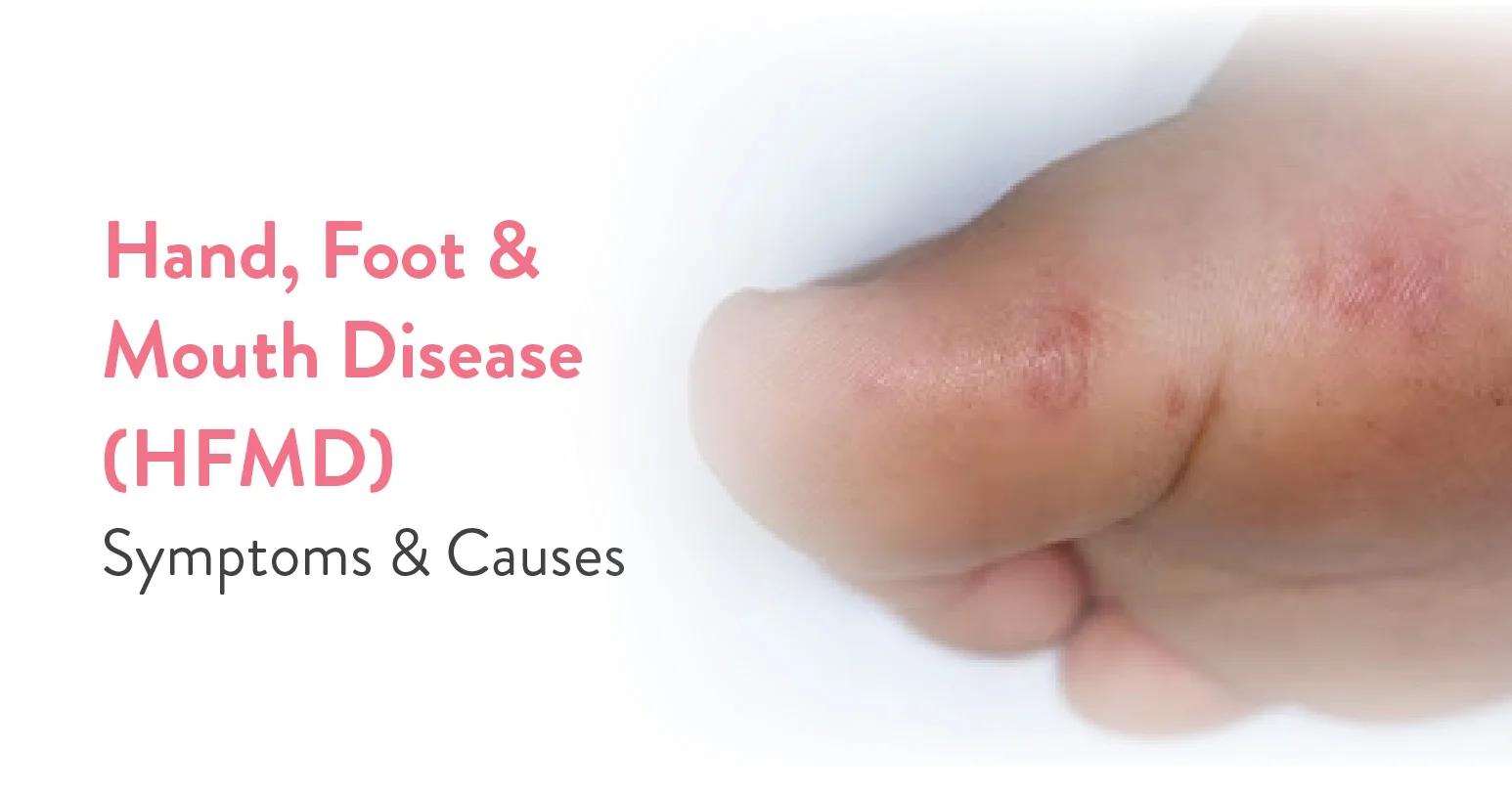
If your child has been feeling unwell for the past few days, and you notice sores in their mouth and tiny blisters or red spots on their hands, feet, and diaper area, they might have hand, foot, and mouth disease (HFMD).
HFMD is a viral infection that primarily affects children under 5 years old, though teens and adults can also contract it. The incidence of HFMD often increases during the monsoon season when the virus becomes more active. While there is no specific treatment for HFMD, it usually resolves on its own within 7 to 10 days. Maintaining proper hygiene and avoiding contact with infected individuals can help prevent the spread of HFMD.
Table of Contents
Hand, foot, and mouth disease (HFMD) is a highly contagious illness caused by the Coxsackievirus-A16 and Enterovirus-71. The virus spreads through direct contact with unwashed hands or contaminated surfaces. HFMD is characterized by a rash that can appear anywhere on the body, including the hands, feet, chest, back, genitals, and buttocks, and may also cause painful sores in the mouth.
Infants and children under 5 are most susceptible to HFMD. This is the time when children venture out of their homes and into classrooms and nurseries. The virus therefore spreads quickly among children in schools, daycare centres, or during play since their immune systems have not developed enough. Older children, teens, and adults can also get infected, which means these are people with a weak immune system. though they typically build immunity after exposure to the virus. People with weakened immune systems are at higher risk of infection. HFMD can recur, making prevention essential.
Initial Symptoms |
Advanced Symptoms |
| Mild fever | Painful sores in the front of the mouth or throat, including the tongue |
| Loss of appetite | |
| Stomach ache | Itchy, blister-like rash on the palms, soles, elbows, genitals, and buttocks |
| Runny nose | |
| Fussiness | Swollen lymph nodes in the neck |
| Sore throat |
HFMD is caused by viruses from the Coxsackievirus and Enterovirus families. The virus can spread through:
In childcare settings, frequent diaper changes and using the toilet can facilitate the spread of HFMD among babies. Adults can also spread HFMD without showing symptoms.
While HFMD symptoms are usually mild, complications can arise, including:
In rare cases, the enterovirus can cause serious complications such as viral meningitis (inflammation of the brain and spinal cord membranes) or encephalitis (brain inflammation).
Healthcare providers diagnose HFMD by examining blisters and symptoms. They may also prescribe some probationary tests such as:
There is no specific medication or vaccine for HFMD. Antibiotics are ineffective as HFMD is a viral disease. Treatment focuses on home care, including:
Note: Consult a healthcare provider before giving any medication.
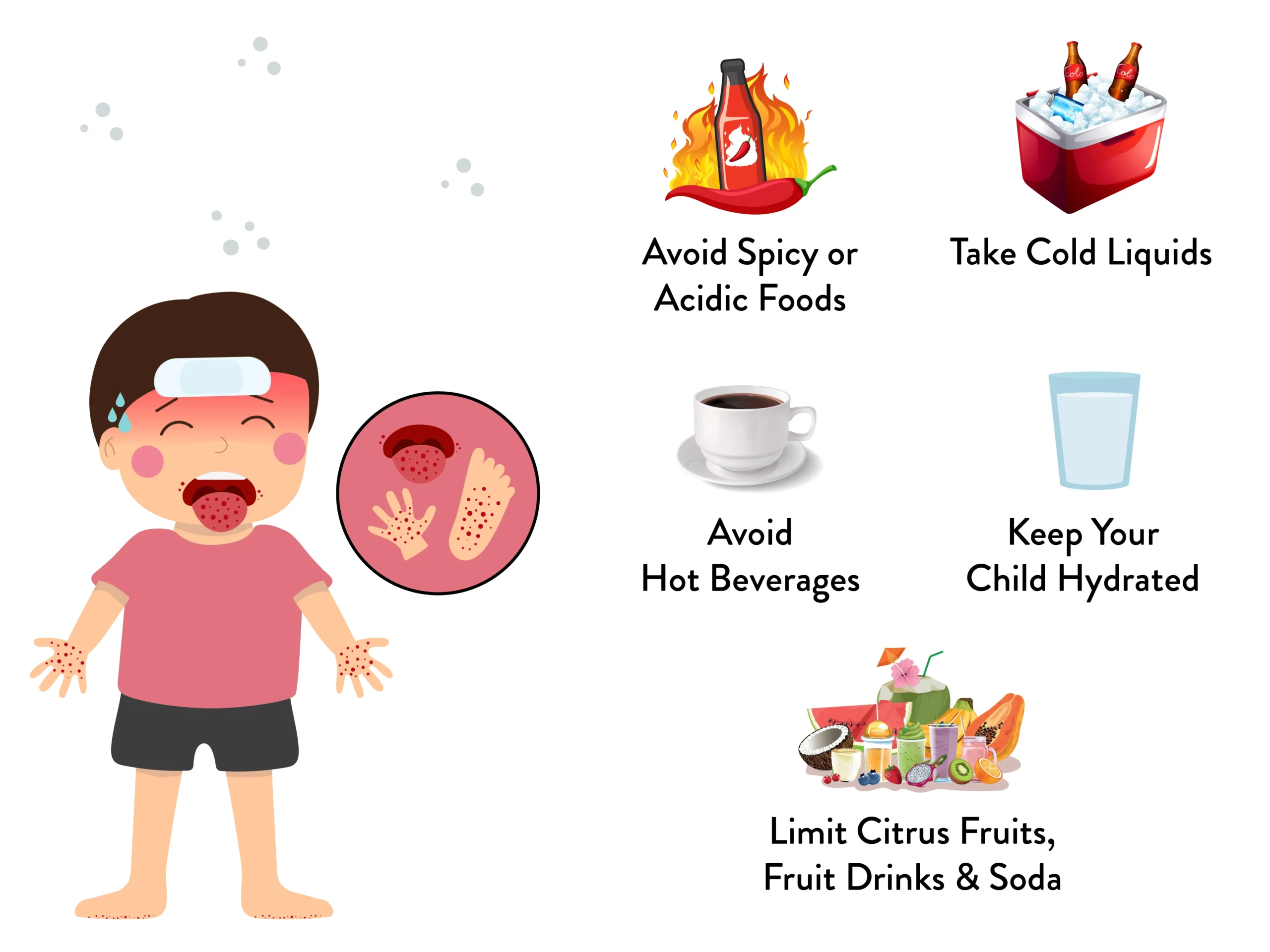
HFMD is highly contagious, so practising good hygiene is essential to slow or stop its spread. Preventive measures include:
HFMD typically resolves in 7-10 days. During this time, keeping your child hydrated and maintaining cleanliness is crucial. Ensure they wash their hands regularly and avoid spreading the virus to others.
Hand, foot, and mouth disease is a common and contagious illness that mostly affects infants, children, and teens but can also infect adults. Initial symptoms last 2-3 days, followed by a recovery period of 7-10 days. The disease is most contagious in the first week, but the spread diminishes during recovery. If symptoms persist beyond 10 days or blisters become severely itchy, consult a healthcare provider. Children who are just starting school are at the highest risk of getting the disease. Hence it is advisable to reach out to a paediatrician at the slightest incidence of discomfort.
HFMD is primarily caused by the Coxsackievirus, which belongs to the enterovirus family. This virus can be found in various bodily secretions, including saliva, nasal mucus, and stool. It is highly contagious and can spread through direct contact with an infected person or contaminated surfaces. Maintaining good hygiene and cleanliness is crucial to prevent the spread of this virus.
Yes, adults can contract HFMD, although it is less common and often presents with milder symptoms or none at all. Adults can still spread the virus to others, even if they don’t show symptoms. This is why it is important for adults to maintain good hygiene practices, especially around children.
HFMD progresses through two main stages with symptoms that can cause significant discomfort, particularly in children:
The initial stage includes cold-like symptoms such as a mild fever, sore throat, and general discomfort. Within a few days, the disease progresses to the major stage, where painful sores develop in the mouth, and a rash or blisters appear on the hands, feet, and other parts of the body.
It is best to avoid close physical contact, such as hugging and kissing, with your child during the initial days of HFMD infection. This period is when the virus is most contagious, and physical contact can easily spread it to others.
Instead, focus on comforting your child through other means, such as verbal reassurance and gentle care. Once the blisters start to dry up and heal, the risk of contagion decreases significantly.
With no vaccine, prevention relies heavily on maintaining good hygiene practices, such as:
Researchers are continuously studying the virus to develop potential vaccines in the future. Until then, vigilance and preventive measures are the best defence against HFMD.
Recovery from HFMD typically takes about 7 to 10 days. During this period, the body’s immune system works to fight off the virus, leading to the resolution of symptoms.
Most individuals recover fully without any long-term effects. However, maintaining hydration and comfort is essential during recovery, especially for children who may have difficulty eating and drinking due to mouth sores.
Both diseases are highly contagious but caused by different viruses.
HFMD causes blisters and sores on the hands, feet, and mouth.
Chickenpox usually starts with red spots on the torso and spreads to the head, arms, and legs. They are also more widespread and can cover the entire body.
Links:
https://www.shutterstock.com/image-photo/parents-hold-hands-child-hfmd-2219506669

Women’s anatomy is still vastly unexplored. Despite significant advances in medical knowledge, many people still lack a comprehensive understanding. This often leads to confusion, anxiety, and embarrassment about conditions like a septate hymen. A septate hymen is a congenital anomaly that many might not be familiar with, but understanding its causes, symptoms, and treatment options is crucial for those affected.
This blog aims to demystify the septate hymen, providing clear information to help individuals navigate this condition confidently.
Table of Contents
In simple words, hymen is a moon-shaped two pieces of tissues that are present at the opening of vaginas in a girl. It makes the outflow of menstrual blood easy.
A septate hymen is a congenital condition where an extra band of thin tissue runs vertically through a female’s hymenal opening. This creates two small vaginal openings instead of one. This condition occurs during fetal development and is present from birth.
Practically, there is only one vaginal but the extra tissue partially creates an obstruction down the middle which is why it looks like two holes. This makes the use of tampons difficult and additionally one may feel pain during sexual activity.
Research suggests that this is a rare anomaly and usually affects only 1 in 1000 girls. This condition is not identified until you have menstruation or try to have sex.
The presence of a septate hymen can sometimes go unnoticed, as many individuals do not experience symptoms until a girl reaches puberty and starts getting periods. Some of the symptoms of the septate hymen are mentioned below:
There are no known causes of septate hymen condition because it’s a congenital anomaly that is present during your birth. When the hymen doesn’t form the membrane properly during the development of the baby then this condition occurs.
The septate hymen problems increase if you do not get it removed. It can cause infertility or act like a natural contraception. However, if you will conceive then also septate hymen pregnancy leads to various complications such as miscarriages, premature labor, etc.
A septate hymen can only be noticed when a girl reaches puberty or starts menstruation. Most commonly, it is found in teenagers. In all cases, based on the severity the following is the diagnostic process followed by most women’s health experts:
Surgical procedure is the primary treatment option for a septate hymen. Hymenectomy is one such minor surgical procedure that is performed to remove an extra piece of hymenal tissue. This process is done under general anesthesia. It is an elective surgery which means after a few hours of surgery, you can go home.
It is a painless process and fine stitches are used to secure the edges of the hymen. You can also resume your regular activities after a few days of this surgery. Hymenectomy does not have any long-term complications.
This procedure involves making a small incision to remove the extra tissue, creating a single vaginal opening. The surgery is usually performed under local anesthesia and is relatively quick.
Post surgery, you need to follow the instructions recommended by the doctor.
A septate hymen is a congenital condition and it can affect day-to-day activities in form of:
So what are the preventive measures you should bring into consideration?
Hymens are the tissues that are present at the vaginal opening and most people don’t even notice it until pain or discomfort is felt during menstruation or sexual intercourse. It can easily be removed through a minor gynecological procedure called hymenectomy. By recognizing symptoms early and seeking appropriate medical care, individuals can manage this condition effectively and improve their quality of life.
We understand that open communication and awareness about treatment options are key steps toward better health and well-being. At the CK Birla Hospital, our expert gynecologists provide timely consultation and diagnosis to ensure you lead a healthy and happy life, free from medical complications. To book a consultation with our lead gynecologist
A septate hymen typically does not resolve on its own and usually requires surgical intervention to remove the extra tissue. However, there are cases in which the septate hymen resolves on its own. The extra piece of tissue sometimes breaks on its own during the insertion of tampons or during sexual intercourse.
Hymenectomy is a minor surgical procedure that is done under general anaesthesia so it is pain-free but you can feel discomfort for a few days after the surgery.
The recovery time period of hymenotomy is not very long. Within a few days after the surgery, you can resume your regular activities. However, it is recommended by the doctor to avoid sexual intercourse for at least 2-4 weeks so that the stitches dissolve properly.
Yes, a septate hymen will act as a form of natural contraception preventing successful pregnancy. However, a septate hymen itself does not directly cause infertility, it can complicate sexual activity and menstrual flow, potentially impacting reproductive health.
You can feel symptoms like difficulty in using tampons or pain during sex. In this case, meet a healthcare provider, who will do a physical examination and give confirmation about the septate hymen.
A septate hymen is a rare condition and is found in 1 in 1000 girls. It’s okay to have a septate hymen till puberty but once the menstrual cycle starts, it will create discomfort and pain.
It is a very rare condition and affects about 1 in one thousand females. A septate hymen is a congenital anomaly that is present at birth.
In some cases, the septate hymen breaks on its own without any surgery but in most cases you have to go for a surgical procedure called hymenectomy.
No, a septate hymen is not a normal condition. It is a rare congenital disorder.
A septate hymen can be painful during periods or sexual intercourse. This can affect your daily activities.

Have you ever been jolted awake in the middle of the night by painful muscle cramps or perhaps had a sudden spasm while exercising that forced you to stop? If yes, then you’re not alone.
According to studies, up to 60% of adults experience nocturnal leg cramps, while 39% of athletes report painful muscle cramps during or after exercise.
So, what do these statistics indicate? They show that muscle spasms are common, and many of us experience discomfort, pain, and involuntary contractions. However, by recognizing the actual causes and taking preventive measures, you can protect yourself from this problem.
In this blog, we’ll explore the cause of muscle spasms, their symptoms, and preventions. So, let’s get started with what muscle spasms are.
Table of Contents
Muscle spasms, a charley horse, muscle cramps, or twitch, are sudden, involuntary contractions that can affect anyone at any time, day or night.
Cramps or twitches usually affect muscles in the lower back, the front of the thigh, the neck, and the back of the thing, often leading to muscle spasms in the back.
Most muscles twitch resolve spontaneously within 10 minutes but can last up to one hour. They often occur irregularly, appearing and disappearing spontaneously over long periods, regardless of treatment.
Let’s dive into both these points.
Acute muscle spasms in the lower back are common symptom often associated with the lower back or neck.
This can be distressing and restricting, even very painful. Often, this resolves independently, simply by waiting for the symptoms to pass. These spasms can be triggered by muscle fatigue, dehydration, and abrupt movement.
Chronic muscle spasms are persistent, recurrent contractions that continue over a long period. They may be associated with underlying medical conditions, including multiple sclerosis, degenerative diseases, amyotrophic lateral sclerosis (ALS), and spinal cord injury.
This condition impacts your quality of life and causes ongoing pain and discomfort. Physical therapy, medications, and more are important to improve this condition.
| Symptoms of Chronic Muscle Spasms | Cause of Chronic Muscle Spasms |
| . Muscle pain
. Muscle weakness . Coordination issues . Difficulty sleeping |
. Not enough stretching
. Muscle fatigue . Exercising in extreme heat . Electrolyte imbalance |
Are you looking for the most effective way to relieve muscle spasms? These steps might help you prevent and treat muscle spasms in the lower back and provide guidance on So, let’s get started!
When you experience muscle spasms in your back, neck, or any part of your body, try to keep yourself hydrated, especially during workouts or in the summer.
Muscles need fluids to perform better. Hence, drinking as much as necessary is essential based on your needs, activities, lifestyle, weather, and more.
| Men | 3.7 Liters | 125 Ounces | 15/2 Glasses |
| Women | 2.7 Liters | 91 Ounces | 11 Glasses |
| During Pregnancy | 3 Liters | 101 Ounces | 12 Glasses |
| During Lactation | 3.8 Liters | 128 Ounces | 16 Glasses |
The best way to stop cramps is to stretch or massage your muscles and to consume proper nutrition. Ensure your diet includes a good amount of potassium, calcium, sodium, and magnesium. Add plenty of fresh fruits, vegetables and electrolytes to your diet. This will improve your condition, and you can find them in the following foods, including:
Foods rich in nutrients and electrolytes can help prevent painful muscle cramps. Beans, fruits, and vegetables are good sources of essential nutrients. So, if you consume processed foods, your body might lack those valuable minerals. Heavily processed foods, including fast and packaged foods, tend to have low nutritional value.
Avoid these types of food to improve the quality of your muscles and overall health.
Stretching the area of the muscle spasm can usually protect you from painful cramps or improve the spasm. Exercise regularly will also help you to avoid muscle cramps.
Light exercise, such as riding a stationary bicycle for a few minutes before bed, may also help prevent cramps while you sleep. You can also stretch your muscles before bed to avoid leg cramps at night.
Routine exercise can prevent muscle spasms in the lower back, neck, or other parts of the body by strengthening muscles, improving blood circulation, maintaining electrolyte balance, conditioning muscles, reducing stress, and promoting muscle flexibility.
However, vigorous or prolonged exercise may lead to muscle cramps, which typically improve after exercise. Therefore, start your workout with a light warm-up to keep your body warm and prevent muscle cramps.
The best way to work around muscle spasms is to gradually increase your workout or physical activity. Orthopaedists suggest that the best way to strengthen muscles is by increasing mobility and exercising the muscles. This helps in strengthening your muscles over time and reducing the risk of cramps from sudden strain. Here is a list of things you must do to manage the occurrence of muscle spasms.
Muscle twitching or muscle cramps in the lower back, neck, leg, and other body parts have many everyday causes that are not serious. People can quickly treat and improve their quality of life by improving their lifestyle. Some causes of muscle cramps are more serious, but these conditions are mostly preventable. The health conditions that can cause muscle cramps are described above.
If you’re experiencing frequent muscle cramps due to a major health condition, consult your doctor. It is advisable to consult with a specialist orthopedist who is experienced in handling muscle conditions. At the CK Birla Hospital, our award-winning team of Orthopedists comprise of experts with multiple specializations to deal each unique orthopedic condition. Reach out to us and book an appointment with orthopedist at CK Birla Hospital.
Although the condition has no cure, with proper management, balanced diet, exercise, and other factors discussed above can ensure you maintain a good quality and healthy life.
Gently stretch, massage the affected area. You can apply a heat or ice pack for instant relief. Muscle cramps typically last a few seconds to several minutes but usually resolve independently. Gentle massage can help alleviate them. Sometimes, muscle cramps can be a sign of an underlying health problem.
Yes, especially if you frequently experience muscle cramps or severe pain. In this context, you should consult your doctor. Sometimes, muscle spasms can indicate an underlying neurological condition affecting the brain and body, known as dystonia.
Yes, of course. Stretching and light exercises can help prevent spasms. Routine exercise prevents muscle spasms by strengthening muscles, improving blood circulation, maintaining electrolyte balance, conditioning muscles, reducing stress, and promoting muscle flexibility.
Yes, stress can contribute to muscle tension and spasms.
Look for electrolyte deficiencies like potassium, calcium, magnesium, or dehydration. Adjust diet as needed.
References Links
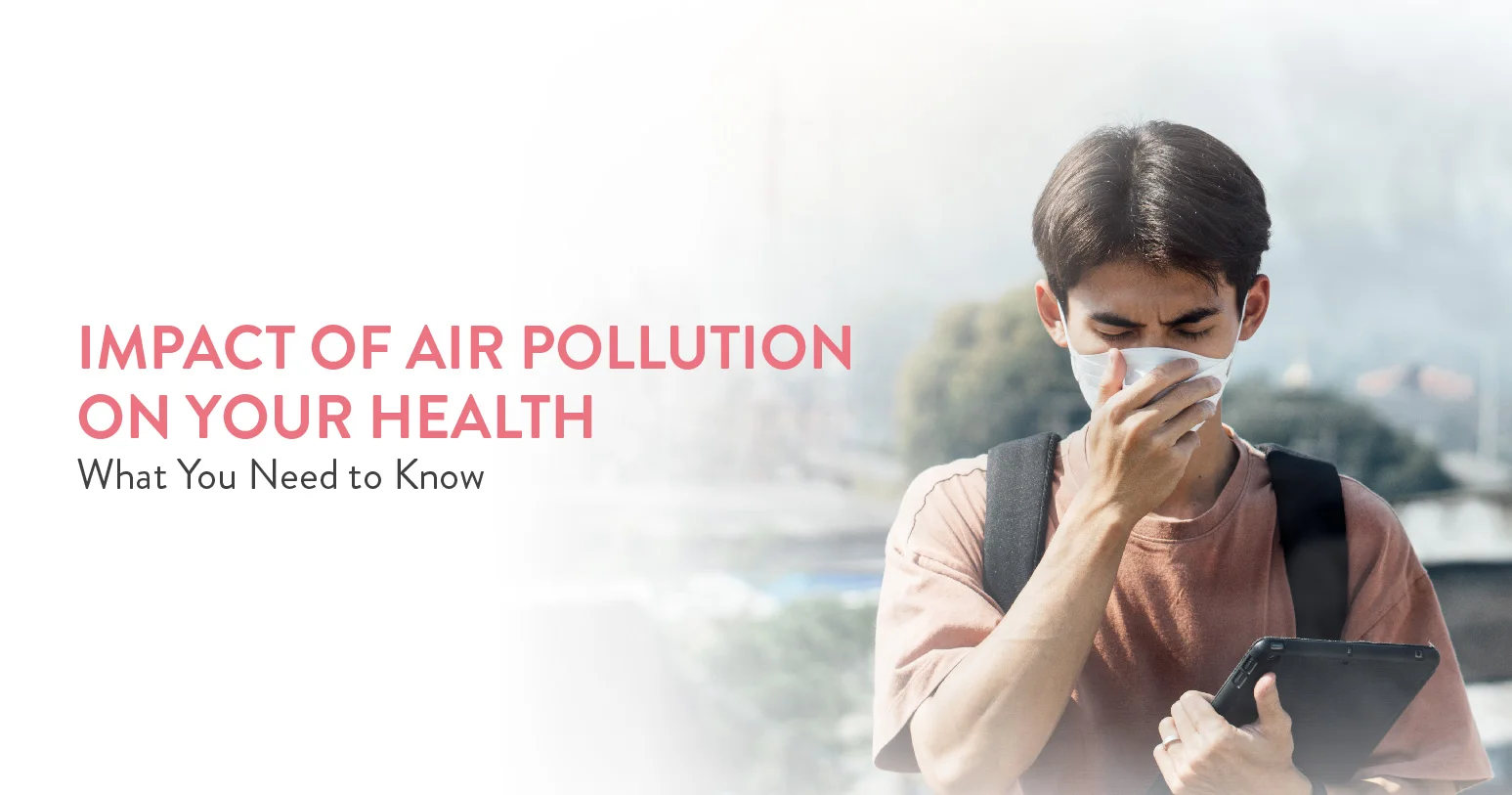
An early morning walk is a great way to clear your mind and prepare for a positive day. However, this refreshing ritual can turn into a challenge if the air is polluted. Sadly, this has become a reality for millions around the world, particularly in urban areas. Research published in The Lancet reveals that air pollution is responsible for around 6.5 million deaths annually, and this figure continues to increase.
It quietly undermines our health, impacting our lungs, hearts, and even our brains. Therefore, it is vital to understand the different forms of air pollution, their origins, and their effects on our health in order to devise effective prevention measures.
Table of Contents
Air pollution is a critical issue that affects millions of lives worldwide. To put it simply, air pollution refers to the contamination of the atmosphere by harmful substances. Now, the causes of air pollution can be either natural or can be the outcome of human activities like volcanic eruptions, wildfires, industrial emissions, vehicle exhaust, agricultural practices etc. All these activities emit different pollutants including particulate matter (PM), Sulphur dioxide (SO2), nitrogen oxides (NOx), carbon monoxide (CO) and volatile organic compounds (VOCs).
Consequently, these pollutants have hazardous effects on human health resulting in various diseases and medical conditions. These pollutants can have hazardous impacts on human health that leads to a range of diseases and health conditions. By understanding the harmful effects and risks that they pose to our overall health, individuals can take proactive steps to protect themselves.
Multiple systems organs tend to get affected by air pollution in the human body causing both immediate and long-term health problems. The respiratory system is particularly vulnerable as particles such PM2.5 and NOx can go deep into the lungs resulting in inflammation, reduced lung function and conditions such as asthma and (chronic obstructive pulmonary disease) COPD. Prolonged exposure to these pollutants may also cause lung cancer.
The cardiovascular system is equally affected by air pollution. This leads to inflammation that causes oxidative stress thereby leading to heart attack, stroke among other cardiovascular diseases. Neurological effects are also common, where fine particles and toxic chemicals can get through the blood-brain barrier which may result in reduced thinking abilities or even brain disorders. Children are more vulnerable because of their developing respiratory systems plus their increased physical activities while those above 65 years old have many pre-existing conditions so their weakened immune systems make them susceptible to cardiovascular or respiratory complications.
Air pollution is the major reason for certain kinds of chronic diseases. In 2013, the International Agency for Research on Cancer of the World Health Organization (WHO) classified air pollution as a human carcinogen, which means it has been identified as a substance capable of causing cancer in humans. Long-term exposure to pollutants like PM2.5 and certain chemicals increases the risk of cancers, like lung and skin cancer. Living in close proximity to main roads could heighten the chances of developing breast cancer for women, as suggested by a comprehensive study involving over 57,000 women.
Pollutants can lead to insulin resistance and chronic inflammation, contributing to the development of type 2 diabetes. Furthermore, skin health is negatively impacted by air pollution, leading to premature ageing, skin irritation, and worsening conditions such as eczema and acne. Protective measures, including skincare routines with antioxidant-rich products and lifestyle changes can help mitigate these effects.
Here are a few steps that individuals can take to protect themselves from the harmful effects of air pollution. These strategies include:
Air pollution poses serious risks to human health. Afterall, almost 9 out of every 10 individuals who live in urban areas are likely to get affected by air pollution. Chronic exposure to harmful pollutants can lead to respiratory, cardiovascular and even neurological conditions. Therefore, you must limit your outdoor activities on high pollution days or wear a mask before going out and use air purifiers to mitigate it. Additionally, regular health check-ups are crucial for early detection and management of pollution-related health issues. By understanding the sources and impacts of air pollution, one can take proactive measures to safeguard one’s health and advocate for cleaner air, ensuring a healthier future for all.
Children are more vulnerable to air pollution because of their developing respiratory systems. Additionally, higher rates of physical activity make them more susceptible to the harmful effects of air pollution which leads to respiratory and developmental issues.
Yes absolutely, masks can protect you from getting affected by air pollution. N95 respirators can filter out harmful particles and protect you from breathing in pollutants.
Long-term exposure may lead to chronic respiratory and cardiovascular diseases, certain types of cancer and reduce life expectancy too.
By using air purifiers, maintaining good ventilation, avoiding indoor smoking and natural cleaning products one can reduce indoor air pollution.
A diet rich in antioxidants such as fruits, vegetables, nuts etc., can help in combating oxidative stress caused by pollutants.
Stay indoors, use air purifiers, always wear masks if you need to go outside and avoid strenuous outdoor activities.
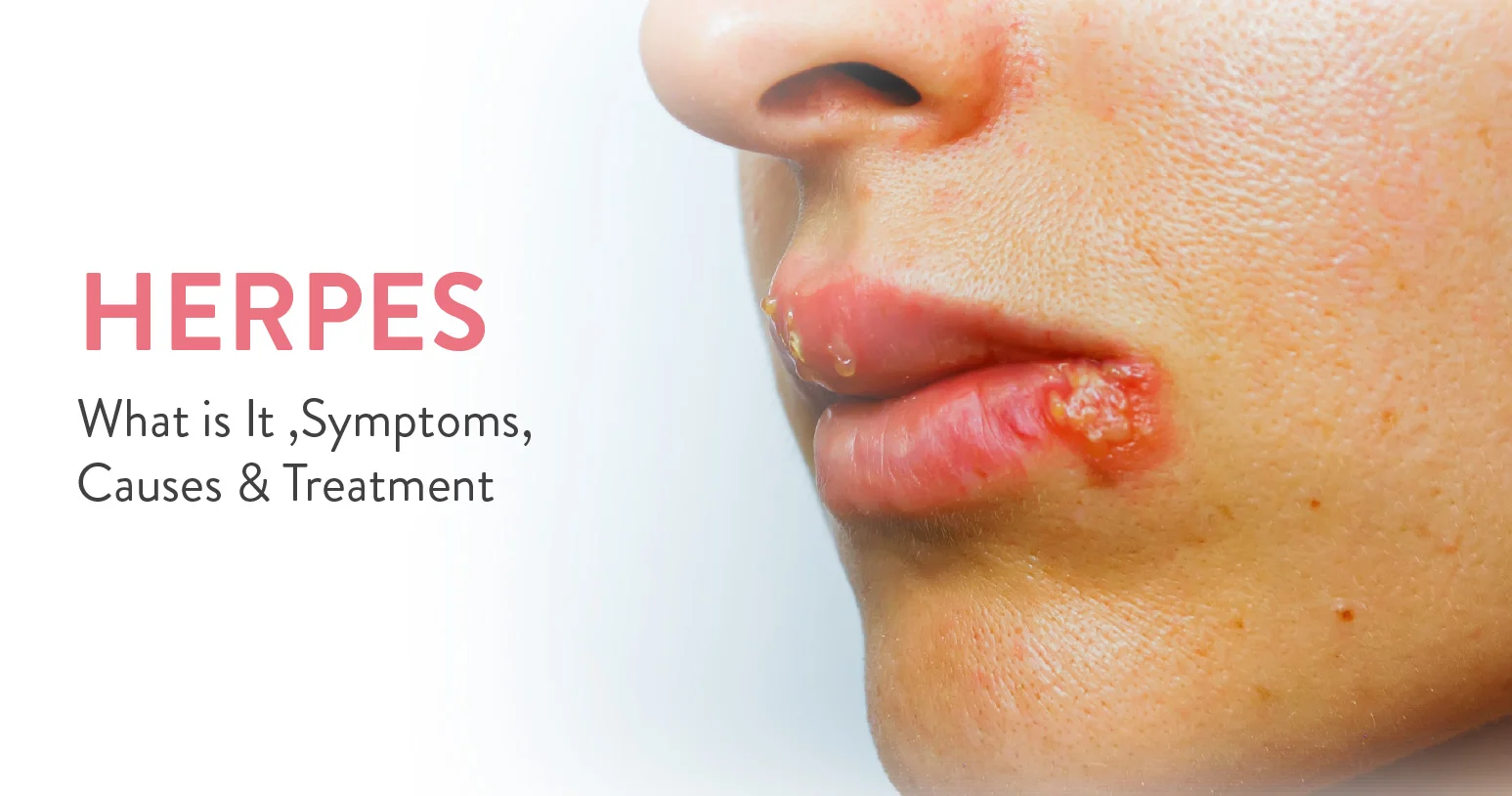
Are you experiencing sores in your genital or oral regions? If yes, it might indicate a condition called herpes, also known as the herpes simplex virus (HSV), which shows up in the form of cold sores or blisters in the oral or genital region. While there’s no cure for herpes, antiviral medications and home remedies help ease symptoms greatly.
Around 67% of the global population under the age of 50 is at risk of contracting oral or genital herpes. While HSV-1 is more common than HSV-2 among the types of herpes, approximately 13% of the population aged 15 to 49 is at a higher risk of contracting HSV-2.
Misconceptions still cloud the condition despite its widespread occurrence. Many are attributed to people not coming forward with the problem due to fear of social stigma. Hence, in this blog, we aim to raise awareness about the disease by providing essential information related to the causes, symptoms, treatments, and different preventive measures to deal with herpes. So, stay tuned.
Table of Contents
Herpes is a common viral infection that affects both oral and genital areas in our body. Caused by the herpes simplex virus (HSV), many individuals with herpes show no symptoms at all. They carry the virus without experiencing any active episodes or flare-ups. This asymptomatic nature means they can unknowingly transmit the virus to others.
For those who do experience symptoms, herpes often manifests as blisters or small fluid-filled lesions. These blisters can appear on different parts of the body which means they can show up around the lips or mouth, or in the genital regions. Since it can be easily transmitted, sometimes these sores may appear in the hands or fingers. The first outbreak is usually the most severe, with subsequent flare-ups being less intense.
Yes, herpes is categorised into two main variants:
| Type of Herpes | Affected Areas of the Body | Visible Signs |
| HSV-1 | Patients who have this type of herpes usually experience growth in the oral region | Cold sores or fever blisters appearing on the patient’s face or in the mouth |
| HSV-2 | This type often targets the areas in the lower part of the body. | Lesions and blisters in the inner thighs, buttocks, anus, and genitals including the female vaginal area. |
Not everyone experiences the symptoms caused by herpes. If they do arise, whether they are primary or periodic infections, often decide how harmful the symptoms are. Usually, the main symptoms of this condition take around a few days to weeks after coming into contact with an infected individual. The following are herpes symptoms:
| Major Symptoms of Herpes | |||
| High-temperature weakness or unusual weariness | Headache or frequent body aches | Sharp pain in the affected area | Enlarged Lymph Nodes |
| Cold sores in the mouth, lips, or tongue | Discomfort during urination | Sores in the vaginal area | Loss of appetite |
Herpes is primarily transmitted through sexual contact, but it can also spread through other means. This includes skin-to-skin contact with an infected area, sharing personal items like razors or towels, or from a mother to her baby during childbirth. The herpes virus is usually detected in the saliva and skin of the HSV patient. Here are some of the other causes of herpes or HSV-1 and HSV-2 transmission in the table below:
| Types | Causes |
| HSV-1 transmission | For individuals who have been experiencing the symptoms of herpes, possibilities are that they contracted the virus through:
|
| HSV-2 transmission | People diagnosed with this type might have caught the virus through:
|
Dermatologists in Gurgaon usually perform a culture test involving fluid extraction from the sore, which is sent to the lab for assessment purposes. Diagnosing herpes involves several methods, each designed to accurately detect the presence of the herpes simplex virus (HSV).
For pregnant women, diagnosing herpes is especially important to prevent transmission to the baby during childbirth. Viral culture and PCR tests are often used to diagnose and monitor HSV in pregnant women. A blood test is involved when a person has been exposed to the virus but there is no sign of symptom to identify HSV antibodies. Be mindful that it could take 12 weeks for blood testing to correctly identify HSV after you contract the illness.
According to health experts, presently there is no cure available for herpes treatment but the following options can help relieve the symptoms effectively:
| Managing Herpes at Home | |||
| Don’t wear tight-fitted clothes, especially pants | Use tea-tree oil on blisters | Use baking soda or cornstarch over sores | Warm or cold compression |
| Use light-salt water when bathing | A crushed garlic mixture can provide relief | Using aloe vera gel on the blisters | Eucalyptus or peppermint oil |
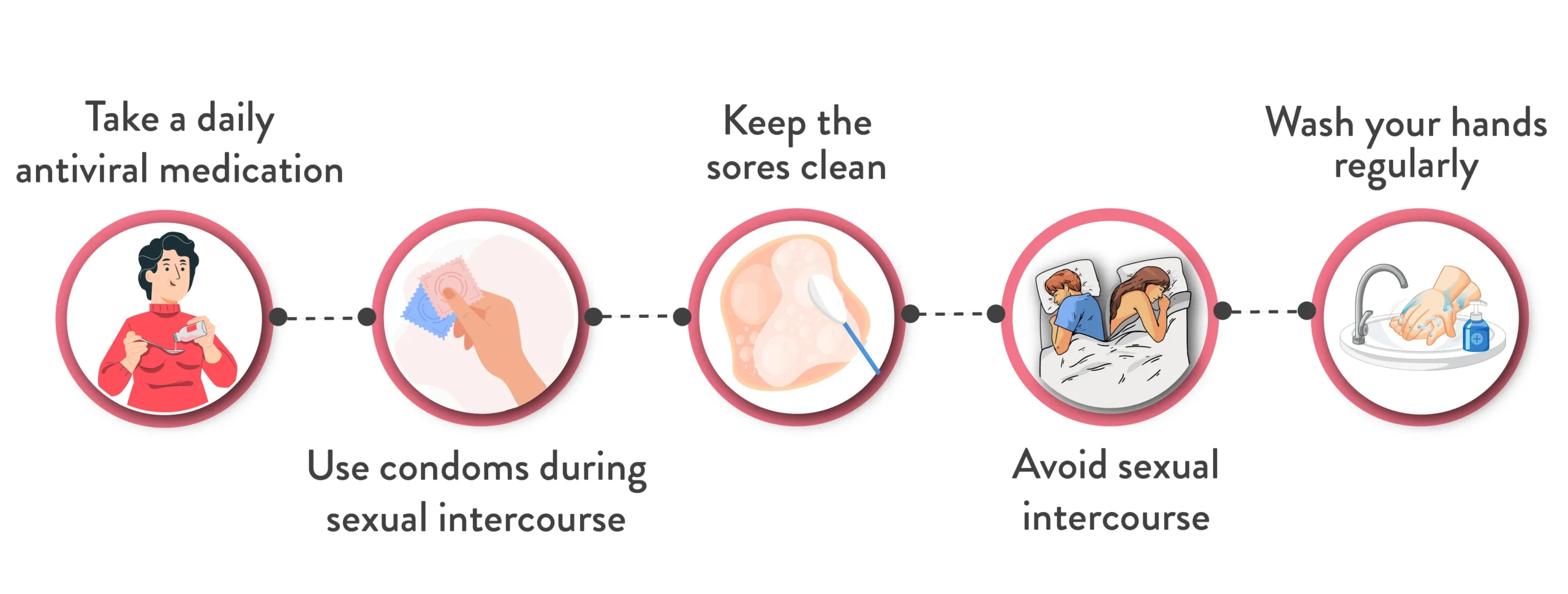
Preventing herpes is not a hassle, you just have to follow certain precautions and you are going to be fine. Here are these tips:
Herpes diagnosis involves a combination of physical examinations, lab tests, and understanding the emotional impact. Accurate diagnosis is the first step in managing the condition effectively. If you suspect you have herpes, consult a healthcare provider for a comprehensive evaluation and personalised care plan. Getting diagnosed with herpes can be emotionally challenging. But it helps to remember, herpes is a common condition, and with the right care and support, you can lead a healthy, fulfilling life.
There is no cure available for herpes at present, but antiviral medications help control the symptoms and minimise the frequency of occurrence. There might be a need for lifelong management for some people depending on the severity of this condition.
Here is how you can reduce the herpes transmission:
If you know you have herpes, it is mandatory that your partner is aware and understands your condition. Addressing the stigma starts with open communication.
Yes, for some people, it might be hard to know they have herpes as they are asymptomatic. Even without visible occurrences, they can still spread the virus.
For most females, herpes doesn’t affect their pregnancy or the health of a child. However, doctors might recommend C-sections to females who have contracted the virus in their last trimester as it increases the possibility of passing the virus to their fetus.
Herpes outbreaks are often triggered by certain factors such as stress, fatigue, hormonal changes, exposure to sunlight, and a weak immune system.

