Filter :
Table of Contents
Masturbation is defined as the act of self-stimulating or touching the genitals or sensitive areas of the body for sexual arousal or pleasure. It is considered a normal and common practice among people of all backgrounds, genders, or races.
According to a study by the ‘National Center for Biotechnology Information’ across all the countries, around 41% to 65% of men, and 27% to 40% of women reported masturbating in the past months.
Several studies have shown that masturbating has positive effects on both mental and physical health including reducing stress & tension, improving sleep quality, elevating mood, preventing anxiety and more. Masturbating has no risk of getting pregnant and it’s very rare to catch a sexually transmitted infection (STI) through masturbation.
There is no research or fact proving that masturbation is harmful and it is not known to cause serious side effects, however, many people who masturbate may experience unwanted side effects like – fatigue, distraction, decreased sexual sensitivity, guilt, etc. though these side effects are commonly associated with excessive masturbation.
Also Read: Cause and Symptoms of Premature Ejaculation
There are several common myths about masturbation, though these myths have not been proven by scientific research. Let’s uncover the prevalent myths and facts behind:
None of the scientific research proves that masturbating affects eyesight.
It is one of the most widespread misconceptions, masturbation does not affect fertility in men or women, rather it can help keep sperm healthy in men.
Masturbation was and is commonly believed for causing weakness, dehydration, etc. However, research suggests that it does not cause weakness unless done excessively.
This misconception has been debunked by scientific studies. It is a natural process and doesn’t affect the quality or frequency of erections. In truth, it can help with erectile dysfunction that’s caused by stress, anxiety, or other psychological issues.
Also Read: Types, Cause, Symptoms, Prevention, Diagnosis, Treatment of Male Sexual Disorder
Masturbation may cause temporary hormonal changes, however, these changes are minimal and do not contribute to acne or pimples.
The saying ‘everything in excess is opposed to nature’ by Hippocrates holds true when it comes to this natural process. Masturbation is a healthy activity when done in moderation. The effects also vary from person to person. Masturbation, if done excessively, can have physical, psychological, and social side effects. Some of the side effects include:
Masturbating excessively can have certain physical side effects like:
Frequent friction can cause irritation, soreness, redness or discomfort.
Masturbation if done excessively without rest can cause excess release of dopamine causing fatigue.
Repeated contractions can cause muscle strain in the lower abdomen and pelvic area.
Due to overstimulation, sexual pleasure may be affected.
These side effects can be managed through practicing moderation, seeking medical advice in case of persistent physical discomfort, and adopting mindful practices like paying attention to the body’s signals.
Another side effect of frequent masturbation can result in:
Masturbating frequently may create unrealistic expectations that affect real-life intimacy.
Guilt or shame may arise due to personal, religious or cultural beliefs
Spending too much time masturbating may lead to neglecting relationships and responsibilities.
Excessive masturbation can lead to mental exhaustion, reducing productivity
Societal stigma around masturbation can also cause individuals to feel guilty, and even affect the relationship due to guilt or shame associated. Social side effects can be managed by reducing the frequency, exercising, maintaining a healthy lifestyle to boost testosterone, and engaging in real intimacy.
Moderation is the key – when it comes to masturbation. Masturbation is not harmful but overindulgence can have certain side effects.
Also Read:
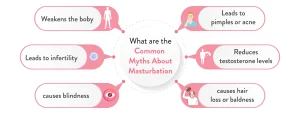
Infertility caused by masturbation is a common myth. Masturbation does not cause infertility in men and women. According to various research, masturbation can help keep the sperm healthy. Infertility in men may be caused by various medical conditions. Similarly, masturbation in women does not affect ovulation, egg quality, or reproductive health.
Another very common misconception is that masturbation causes hair loss or weakness of bones. These myths are not backed up by any scientific research. Ejaculation can be related to reducing testosterone levels, though it has no long-term effect on testosterone levels. Similarly, weakening bones are caused by ageing, calcium/vitamin D deficiency, or lack of exercise.
Masturbation releases dopamine leading to relaxing the body, this may make a person feel less focused for a short time but does not affect long-term memory or brain function. There is no scientific report mentioning that masturbation affects brain cells, memory loss, etc. Memory loss can be caused by factors like lack of sleep, stress, poor diet & dehydration, etc.
The bottom line is that moderation is important when it comes to masturbation. Excessive indulgence can lead to certain side effects and discomfort. Masturbation is a normal activity and is known to have several health benefits.
Masturbation is defined as the act of self-stimulating or touching the genitals or sensitive areas of the body for sexual arousal or pleasure.
Start with focusing on other activities (playing sports, joining a club or social group, etc.), exercise, spend time with friends and family, or seek a therapist.
No, there is no scientific research proving masturbation causes hair fall.
No, masturbation does not cause weight loss.
Masturbation is known to have several health benefits if done in moderation.
No, masturbation does not cause pimples or acne.
No, masturbation doesn’t usually cause a reduction in sperm count.
Masturbation can have several side effects if not done in moderation.

Table of Contents
Winter has officially arrived with snow falls all over the mountains and hills. But along with the wonder, winter brings its own set of challenges: from frosty mornings to an increased risk of cold or flu. And the secret to surviving this and making the best memories is to have a robust immune system. This is your first line of defense against the onslaught of the chills. Fortunately, there are easy, natural ways to boost your immunity during peak winter season, starting with your diet. This blog explores why immunity matters during winter, the easily forgotten but ever valuable tips to enhance your body’s defenses, and ten superfoods that can manage your health and energy during winters.
Your immune system is like a complex matrix made of cells, tissues, and organs, together working hard to protect your body from infections and diseases. During winter, the main deterrents to maintain your immunity are:
Incorporating nutrient-dense foods into your regular routine can help strengthen your body’s defense mechanisms, keeping your body resilient and healthy all season long.

Especially in colder months, drink plenty of water to keep your body hydrated. Due to the chill we are often away from water. This hinders the natural detoxification process.
A well tuned circadian rhythm is essential to stay healthy during winters. Quality sleep helps your body repair and strengthens your immune response.
Keep your mind and body agile by engaging in regular, moderate exercise to keep your immune cells active and well circulated. .
Simple hygiene practices prevent germs from entering your system.
Chronic stress can weaken immunity. Try mindfulness or practice yoga to help fight stress and stay calm.
Winter increases your exposure to cold and flu viruses, and lower temperatures can suppress the immune response. A strong immune system ensures your body can fight off pathogens effectively, reducing the risk of infections. It also plays a key role in recovery if you fall ill, or catch a cold. Which brings us to the next question: Does being cold give you a weak immune system?
We always have someone, (read parents), reminding us to not go out in the cold. “You’ll catch a cold if you go outside without a jacket” isn’t entirely accurate. Being cold itself doesn’t weaken your immune system, but exposure to colder temperatures can stress your body, making it more susceptible to infections. So how does your immune system react when you catch a Cold?
When a cold or flu virus transmits to your body, your immune system springs into action. White blood cells and other immune cells recognize the intruder and release chemicals to neutralize the virus. This process causes inflammation, leading to symptoms like a runny nose, fever, and sore throat. Strengthening your immunity can reduce the severity and duration of these symptoms. So what are the healthy ways to strengthen your immune system in winter?
Nature provides an abundance of herbs and supplements to enhance your immunity. So if you are a believer of age old home remedies you may want to try these:
Moderate exercise is excellent for immunity as it improves circulation, helps immune cells move more efficiently, and reduces stress. However, excessive or intense workouts can temporarily weaken the immune response, so it’s essential to strike a balance.
In winters, getting enough oxygen can help reduce stress conveniently. Try moving to open green spaces and breathe fresh air to not only feel good but also send a signal to the brain cells that you are not in a state of stress. Alongside aerobic exercises, ensure rest and rehab are also factored in to avoid burnout.
Incorporate these superfoods into your winter diet for a healthier, stronger immune system:
| Superfood | Benefits |
| Citrus Fruits | Rich in vitamin C, which boosts white blood cell production. |
| Ginger | Anti-inflammatory properties help soothe cold symptoms. |
| Garlic | Enhances the immune system with its antimicrobial properties. |
| Spinach | Packed with antioxidants and beta carotene to increase infection-fighting ability. |
| Almonds | High in vitamin E, a key nutrient for immune function. |
| Sweet Potatoes | Provide beta carotene, converted into vitamin A for a stronger immune system. |
| Yogurt | Contains probiotics that support gut health and immunity. |
| Turmeric | Reduces inflammation and enhances immune response. |
| Green Tea | Loaded with antioxidants that fight free radicals and support immune health. |
| Blueberries | Rich in flavonoids that help reduce the risk of respiratory infections. |
“Boosting your immunity during winter doesn’t require elaborate measures. By incorporating simple lifestyle changes and consuming nutrient-rich superfoods, you can keep seasonal illnesses at bay and enjoy the colder months to their fullest. Whether you’re sipping on ginger tea or adding turmeric to your meals, these small steps can make a big difference in maintaining your health.” – Clinical Dietician, Prachi Jain
At the CK Birla Hospital, Gurgaon, we believe that prevention is always better than cure—start building your immunity today! Share this blog with friends and family to help them stay healthy this winter.
Which Foods Boost Immunity During Pregnancy?
Pregnancy demands extra care. Include nutrient-dense foods like spinach, citrus fruits, yogurt, almonds, and ginger to keep your immunity strong and protect your growing baby.
Which Foods Build Immunity Against Sinus Infections?
To alleviate sinus infections, consume garlic, ginger, turmeric, and citrus fruits. Probiotic-rich yogurt can also support your immune system and gut health.
Which Foods May Boost the Immune System in Cancer Patients?
Cancer patients should focus on easily digestible, nutrient-rich foods like sweet potatoes, blueberries, green tea, and yogurt. Garlic and ginger can also be beneficial due to their anti-inflammatory properties.
Which Foods Ideally Boost the Immune System in Adults?
Adults can enhance immunity with a diet rich in green leafy vegetables, almonds, citrus fruits, and fatty fish. These foods provide essential nutrients to keep the immune system functioning optimally.
Table of Contents
The menstrual cycle is the body’s natural biological process for preparing for a possible pregnancy. The menstrual cycle starts on the first day of a period and ends when the next period begins. The menstrual cycle lasts for 28 days on average, however, it can range from 21 to 35 days in healthy individuals. The cycle involves hormonal changes that regulate:
In case the pregnancy doesn’t occur, the uterine lining sheds resulting in a period. Understanding the menstrual cycle is critical in order to track fertility and manage reproductive health.
Symptoms of periods may vary from person to person, additionally, the intensity of these symptoms may also vary. Some of the most common symptoms include:
Other signs/symptoms include mood changes, trouble sleeping, headaches, food cravings, acne, etc. These symptoms may persist throughout the menstrual cycle and usually appear one to two days prior to the start of the period.
A 7 to 10 days delay in a period is considered normal if pregnancy is ruled out. The delay can be associated with various factors like stress, sudden weight changes, excessive exercise, or hormonal fluctuations. However, if the period is delayed for more than 10 days, it might indicate an underlying issue/condition including:
To address the delay and determine the underlying cause, consulting a gynaecologist is recommended.
There are various conditions that can delay the period. The most common ones are stress and pregnancy (if sexually active). Practicing relaxation techniques like meditation, and yoga, eating a healthy diet, and exercising regularly can help regulate the cycle.
The period can be delayed due to various reasons including:
Additionally, medical conditions like PCOS, and thyroid dysfunction may also cause delays. Consulting a gynaecologist is essential to identify and treat the cause/condition behind the delayed period.
The menstrual cycle usually lasts between 21 and 35 days. The bleeding phase lasts between 2-7 days. However, the duration can vary slightly from month to month and is influenced by factors like age, lifestyle, and health conditions.
There are 4 phases in the menstrual cycle, including:
Phase where uterine lining sheds leading to bleeding.
The uterine lining thickens & hormones stimulate egg maturation
The mature egg is released from the ovary.
The body starts to prepare for pregnancy. (If fertilisation does not occur hormone level drops)
A period that lasts between 2-7 days is considered a normal period. A normal period has a normal blood flow and occurs every 21–35 days. The common symptoms that occur during a normal period include mild cramps, bloating, fatigue, etc.
Irregular periods may be caused by various lifestyle factors including:
Also, individuals approaching menopause often experience irregular periods.
Period pain can be managed with home remedies and medications. Home remedies include:
There is no guaranteed way to get periods immediately, however, there are few natural methods that may help, including consuming food that promote uterine contractions like papaya, pineapple, parsley, etc. Additionally, exercising and managing stress can also help regulate cycle.
Yes, stress can significantly affect the menstrual cycle. Stress can disrupt the balance of hormones like estrogen, cortisol, etc. Stress if combined with unhealthy lifestyle habits may also delay or even skip periods entirely. Techniques like mindfulness, yoga, exercises, etc. can help reduce stress.
During periods certain things that worsen the symptoms should be avoided, including:
PMS – Premenstrual Syndrome. It refers to physical and emotional symptoms that usually occur 1 to 2 weeks before a period. PMS is caused by hormonal fluctuations and can cause symptoms like:
The most common period symptoms include abdominal cramps, back pain, mood swings, etc. The symptoms and the intensity of the symptoms vary between individuals. Acne breakouts, breast tenderness, and food cravings are also typical at this time.
Having small blood clots during the heavy flow day of the period is considered normal. However, if there are frequent large blood clots or heavy bleeding that lasts for several days may indicate other medical conditions like fibroids, endometriosis, etc.
The chances of getting pregnant during periods are low, though the sperm in the body can survive up to 5 days, and if the period cycle is short or ovulation occurs early, there’s a possibility of conception.
Period pain can be managed with a combination of:
Additionally, using a heating pad can help relax muscles and reduce cramps. Yoga, stretching, and other light exercises can improve circulation and reduce discomfort. Taking recommended over-the-counter painkillers can help with severe cramp pain.
Skipping periods occasionally is normal and can be associated with factors like stress, illness, over exercising, sudden weight change, etc. However, if you are experiencing frequent period skip it may indicate an underlying medical condition like PCOS or thyroid dysfunction.
A period that lasts for more than 7 days and has excessive blood loss, or requires frequent pad changes is considered a heavy period. Also referred to as menorrhagia, it can have symptoms like fatigue, large blood clots, anaemia, etc. Heavy periods can be caused due to various factors like hormonal imbalances, fibroids, or uterine polyps.
Consulting a doctor may be required in cases of:
Yes, exercise and diet can significantly impact the menstrual cycle. Over exercising can disrupt the hormonal balance, leading to irregular or missed periods. While light/moderate exercises can help with alleviating period pain and discomfort. Additionally, a nutrition-rich diet reduces symptoms like fatigue and cramps.
Maintaining menstrual hygiene is crucial to prevent infections. Changing menstrual pads, tampons, etc every 6 to 8 hours helps avoid odour and bacterial growth. Washing the genital area with warm water helps maintain the PH balance. Maintaining hygiene promotes overall reproductive health.
Painful periods are not necessarily a sign of good fertility. Also known as dysmenorrhea, severe pain during periods can indicate underlying medical conditions like endometriosis or pelvic inflammatory disease, etc. Certain conditions that lead to painful periods can even affect pregnancy and should not be ignored.

Few outbreaks redefine our perspective on life, and for this generation and the ones to come, the COVID pandemic became a turning point. Years have passed since the pandemic faded from memory, though now another virus is knocking on the nation’s door—the human metapneumovirus (HMPV). However, the question remains: Is it just another seasonal outbreak or a new cause for concern?
HMPV (Human Metapneumovirus) is a single-stranded RNA (Ribonucleic acid) virus that can cause mild to severe illness. HMPV belongs to the Paramyxoviridae family, which is the same family as viruses like Respiratory Syncytial Virus (RSV) and Parainfluenza Virus. HMPV is more prevalent among a few groups of people including,
HMPV can be transmitted by close contact with an infected person or respiratory droplets when an infected person coughs or sneezes or by touching contaminated surfaces and objects and then touching the face, specifically the nose, eyes, and mouth. Individuals infected with HMPV may experience cough, high fever, nasal congestion, sinus blockade, shortness of breath, etc.
Now coming down to the question – Is HMPV just another seasonal outbreak or a new cause of concern?
An experienced doctor sheds light on why HMPV is unlikely to escalate into a pandemic. According to Dr Kuldeep Kumar Grover (CK Birla Hospital) an experienced pulmonologist, HMPV is unlikely to develop into a pandemic. One of the main reasons behind this is that a significant portion of the population already has some level of immunity due to prior exposure to similar viruses. Furthermore, HMPV is regarded as a less potent virus than highly contagious pathogens such as the coronavirus. Its capacity to spread quickly and create widespread outbreaks is significantly less, however, it can cause serious illness in certain groups of people like young children, the elderly, and people with weakened immune systems.
Table of Contents
HMPV spreads through direct contact with bodily fluids or contaminated surfaces and is more likely to spread in crowded places like schools, malls, shopping centers, etc. Listed below are the different ways that the human metapneumovirus spreads.
Spreads when an infected person coughs, sneezes, or talks, tiny droplets carrying the virus travel through the air and can be inhaled by others.
Individuals may contract the virus if they touch a contaminated surface and then touch their face because the virus can survive on surfaces and objects for a short time.
Direct contact with an infected person such as touching, handshake, etc can transmit the virus.
The respiratory virus has recently drawn attention because of its growing prevalence and effects, particularly in the vulnerable group i.e. children, elderly, and those with weakened immune systems. Even though the symptoms are currently mild they could get worse. Among the typical symptoms are the following:
| Mild Symptoms | Severe Symptoms |
| The majority of individuals infected with HMPV have mild symptoms like –
– Cough – Nasal congestion or runny nose – Sinus blockage – Sore throat – High fever – Fatigue |
The cases may progress to severe respiratory issues and cause –
– Shortness of breath or difficulty breathing – Wheezing – Chest tightness – Severe cough – Symptoms of bronchitis – Symptoms of pneumonia |
HMPV can be diagnosed by a pulmonologist through physical examination based on the symptoms and health history. The physical examination involves taking a sample from the nose or throat through a swab.
A lab tests the sample for viruses and other infections. Further, if the symptoms are severe the pulmonologist may recommend certain tests to check for abnormalities:
Early detection and the right treatment of HMPV reduce the risk of severe complications in vulnerable populations.
As of now, there are no antiviral treatments or vaccines available for human metapneumovirus (HMPV). However, the vast majority of reported cases are mild infections that don’t necessitate hospitalisation, though if the symptoms persist for over 3 to 4 days, it is recommended to consult the doctor. Relieving symptoms and aiding the body in its defence against the infection are the main goals of treatment. The key strategies are listed below.
Ensure adequate fluid intake to prevent dehydration, especially during fever or reduced appetite. IV fluids can also be used to maintain hydration and fluids can be directly delivered to your vein (IV).
Use ibuprofen or other medications to treat symptoms like fever or pain and use nasal sprays to clear up congestion in the nose.
Oxygen therapy is recommended for patients who have issues breathing. Oxygen may be provided through a tube in the nose or a mask on your face.
Prescribed medicines and steroids can help reduce inflammation and might ease some of the symptoms.
We can prevent or lower the risk of HMPV in a number of ways including,
What is the HPMV virus?
HMPV (Human Metapneumovirus) is a single-stranded RNA (Ribonucleic acid) virus that can cause mild to severe illness. HMPV belongs to the Paramyxoviridae family, which is the same family as viruses like Respiratory Syncytial Virus (RSV) and Parainfluenza Virus.
What are HMPV virus symptoms?
HMPV can have mild to severe symptoms, mild symptoms include cough, nasal congestion or runny nose, sinus blockage, sore throat, high fever, and fatigue. While severe symptoms include shortness of breath or difficulty breathing, wheezing, chest tightness, severe cough, etc.
Is HMPV in India?
Yes, human metapneumovirus (HMPV) is present in India. However, the number of cases is low.

Brain – The Most Complex Part of the Human Body! Made of complex networks with more than 86 billion neurons, it is responsible for interpreting the senses, initiating body movement, controlling behaviour, and much more. It is a universe in itself, like the vastness of ‘Star Wars’.
A part of the central nervous system, the brain is responsible for controlling thought, emotions, touch, memory, motor skills, vision, breathing, hunger and every process that regulates our body. As you’re reading this blog, your brain is working behind the scenes, processing the words and turning them into meaning. The three-pound organ is the fattiest organ of the human body, comprising 60% fat.
Table of Contents
The analogy of the brain is the same as a computer, the brain takes in information, processes it, and then produces output. The brain comprises several important components like neurons, glial cells, blood vessels, and different regions. One such important part of the brain is the cerebral vein, which is responsible for draining deoxygenated blood away from the cerebrum (the outer part of the brain). The cerebral vein ensures proper blood circulation in the brain.
The more vital an organ is, even a minor issue could lead to serious problems. The same is true for brain-related conditions. One such condition affecting the brain’s function is cerebral venous thrombosis. Defined as a blood clot of a cerebral vein in the brain. Cerebral venous thrombosis is a severe condition that can cause severe headaches, brain swelling, blurred vision, and other life-threatening conditions if not treated appropriately.
The name cerebral venous thrombosis translates to a blood clot in the veins of the brain.
The formation of blood clots affects the normal blood flow in the brain, leading to pressure buildup in the brain. Cerebral venous thrombosis (CVT) can be associated with head injury, infections, certain medications, etc. It is a rare condition, however, if left untreated CVT can lead to a stroke or brain damage.
There are various factors that may lead to cerebral venous thrombosis, some of them are listed below:
During pregnancy certain hormones like estrogen, progesterone, etc drastically increase and blood clotting during pregnancy or after delivery may contribute to cerebral venous thrombosis (CVT).
Head injuries occurring out of accidents particularly involving skull fractures damaging brain veins increase the risk of thrombosis.
Various types of infections including, ear infections, sinusitis, meningitis and other infections involving the face or brain can lead to CVT.
Blood clotting tendencies may increase in the body by usage of birth control pills and hormonal therapies.
Conditions like genetic clotting disorder or thrombophilia (a disorder that makes the blood clot more easily) increase the risk of clot formation leading to CVT.
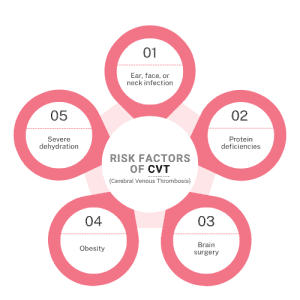
Other less common conditions that may lead to CVT include severe dehydration, certain types of cancer and their treatments, autoimmune diseases, obesity, genetic factors, etc.
According to a research report by ‘The National Center for Biotechnology Information’ (NCBI) cerebral venous thrombosis (CVT) is more common among females. The most common cause of CVT among infants is ear infection. Interruption in regular blood flow may lead to blood clots. However, CVT may be triggered by several factors:
The symptoms of cerebral venous thrombosis can vary depending upon several factors including the location of the clot, severity of blockade, duration, and other individual factors like age, pre-existing medical conditions, etc. Some of the most common symptoms experienced by individuals suffering from cerebral venous thrombosis (CVT) include:
A specialist, usually a neurologist or neurosurgeon can perform a physical examination to evaluate:
The neurologist after comprehending the symptom may suggest certain imaging tests to determine the blood circulation in the brain. Some of the commonly used imaging tests to diagnose CVT are,
Treatment of CVT depends on the severity of the condition. Treatment aims to dissolve clots, prevent them from extending, reestablish proper drainage, manage underlying causes and prevent complications. Treatment of cerebral venous thrombosis involves:
This is usually the first step towards the treatment of CVT. The medicines help prevent blood clots and prevent further clot growth. Some of the commonly prescribed medicines include injectable anticoagulants, oral anticoagulants or blood thinners.
When anticoagulant treatment is ineffective in dissolving the clot, thrombolytics or clot-dissolving treatment is the recommended course of action. Blood clots in blood vessels can be broken by thrombolytics which are medications that are delivered directly to the clots or by breaking the clot using a mechanical device.
This involves the management of symptoms occurring from CVT, such as headaches, pain relievers like acetaminophen or NSAIDs can be used, anti-seizure medications for seizures, etc. Additionally, the brain activity is monitored through follow-up venograms and imaging tests to identify the progress.
| Category | Prevention Strategy |
| Lifestyle | Stay active & hydrated, adopt a healthy diet, quit smoking & manage weight |
| Health Conditions | Manage hypertension, diabetes, clotting disorders & other pre-existing conditions |
| Medications | Use anticoagulants if prescribed & avoid unnecessary hormonal therapy |
| Regular Checkup | Monitor health if at risk or with a specially with a family history of thrombosis |
What is cerebral venous thrombosis?
Cerebral venous thrombosis is a condition causing blood clots of the cerebral vein in the brain. It is a severe condition that can cause headaches, brain swelling, blurred vision, and other life-threatening conditions if not treated appropriately.
Can cerebral venous thrombosis recur?
Yes, cerebral venous thrombosis (CVT) can recur, although the risk is considered low.
Does cerebral venous thrombosis go away?
Yes, cerebral venous thrombosis can go away and be completely cured with prompt diagnosis and treatment.
How is cerebral venous thrombosis treated?
Cerebral venous thrombosis is primarily treated with anticoagulant medications and thrombolytics. For severe cases, surgery may be recommended.
How to diagnose cerebral venous thrombosis?
Diagnosis of CVT can be done through various imaging tests including, Brain MRI, CT Scan, and magnetic resonance venography (MRV).
How to prevent cerebral venous thrombosis?
Prevention of CVT can be done through lifestyle changes, managing underlying medical conditions, adopting a healthy diet, etc.
What are the symptoms of cerebral venous thrombosis?
Some of the common symptoms of CVT are persistent headache, blurred vision, nausea, vomiting, dizziness, balance problems, etc.

We’ve all known for a long time that exposure to toxins harms health, but who would have imagined that the air we breathe could be a slow poison and be one of those toxins?
According to the World Health Organization (WHO), air pollution kills an estimated seven million people worldwide yearly. Air pollution is the contamination of air by substances that are harmful to humans or other living beings and damage the environment.
Breathing polluted air is known to impact almost every organ in the body. Most commonly air pollution affects the respiratory tract, it is the main pathway of exposure to air pollution and can lead to issues like asthma, bronchitis, etc. Recent studies also indicate that exposure to particulate matter (PM 2.5, PM 10) and nitrogen dioxide (NO2) are leading contributors to the rising number of health conditions like respiratory issues, cardiovascular problems, renal conditions, and even cancer. According to a recent report by ‘The Hindu’ lung cancer cases are increasing in non-smokers and air pollution is believed to be the culprit.
An expert pulmonologist at the CK Birla Hospital, Dr. Kuldeep Kumar Grover asserts that lung infections and air quality are directly related. You run a greater risk of getting respiratory ailments the more polluted the air you breathe. Asthma, bronchitis, COPD, lung cancer, and other lung conditions are caused by high levels of pollutants, especially PM2. 5 which are small enough to penetrate deep into the lungs. Reducing exposure to air pollution is the only way to ensure your safety. Additionally, avoiding eating outside food can help minimise the risk of aerophagia (swallowing of air).
Table of Contents
The lungs are an important organ that helps us breathe. The primary role of the lungs is to absorb oxygen from the air we breathe and remove carbon dioxide. Additionally, the lungs help break down blood clots, regulate blood pressure, maintain the body’s acid level balance, support the sense of smell, etc. The main organ of the respiratory system is located in the chest cavity.
A number of illnesses can interfere with the lung’s normal function resulting in symptoms like shortness of breath, sleeplessness, irregular breathing, loss of consciousness, restlessness, and other related issues. Lung disorders are primarily caused by infections, environmental factors, or abnormal cell growth. One such potentially severe life-threatening condition is lung cancer.
According to a recent report, lung cancer is a common cancer and a leading cause of cancer-related death in India. A leading contributing factor to this rising number is the usage of tobacco smoking. The spread of cancer is further categorized into stages, including
Lung cancer usually starts in the airways or small air sacs. Various types of cancer affect the lungs, however, there are two main types of lung cancer.
The last several decades have seen a major global concern over air pollution. A wide range of diseases can result from both short-term and long-term exposure to pollutants and the majority of people live in areas where pollution levels can rise. One of the main causes of cancer according to the International Agency for Research on Cancer (IARC) is air pollution, specifically PM 2.5. Additionally, chronic exposure can impact all of the body’s organs complicating and aggravating pre-existing medical conditions. Air pollution can cause a variety of health problems:
Pollutants present in the air we breathe can increase the risk of respiratory infections like pneumonia.
Pollutants like PM2.5 and nitrogen dioxide can enter the bloodstream and increase the risk of heart attacks, high blood pressure, etc.
Pollutants can penetrate deep into the lungs, causing inflammation, DNA damage, and oxidative stress leading to cancer.
Exposure to harmful pollutants irritates and inflames the airways leading to damage of lung tissues & reducing lung function and other related conditions.
Long-term exposure to pollutants can result in weakening of the immune response making individuals more susceptible to infections.
Long-term exposure to substances like benzene, polycyclic aromatic hydrocarbons, and PM2.5 increases the risk of developing bladder cancer, breast cancer, Leukemia, and other types of cancer.
Despite the fact that tobacco products and cigarette packets are marked as they cause cancer a sizable section of the populace still consumes them. Tobacco remains the leading cause of the growing number of lung cancer cases. Air pollution has also been identified as an emerging factor. Even though there are fewer cases connected to air pollution the tendency to overlook such issues in their early stages persists. It’s crucial to address this perspective and act proactively.
Exposure to pollutants like PM2.5, nitrogen dioxide, polycyclic aromatic hydrocarbons, etc penetrate deep into the lungs causing,
Leading to mutation and cancer cell growth. Additionally, prolonged exposure to such pollutants disrupts the cell repair mechanism and weakens the immune system, increasing the risk of cancer over time. Other lung issues caused by air pollution include,
Difficulty breathing or feeling out of breath with routine activities is a clear symptom of lung damage due to air pollution.
Individuals experience congestion or discomfort in the chest region due to exposure to harmful pollutants.
A common sign indicating poor air quality is impacting the lungs is excessive phlegm or mucus production as the lungs try to clear irritants & pollutants.
Dryness or soreness may be felt in the pharynx due to long-term or even short-term exposure to pollutants.
Individuals may experience whistling or squeaky sounds while breathing indicating airway constriction.
Respiratory Infections like recurring colds, bronchitis, or pneumonia may be experienced by individuals indicating lung damage
During the developing phase or growing phase the lungs are more sensitive to pollutants. Additionally, children are more active and breathe faster, increasing the level of exposure.
With age lung function naturally weakens and the immunity level declines making the elderly population more prone to such lung conditions.
Exposure to pollutants affects maternal lung health and can increase the risk of adverse pregnancy outcomes, like preterm birth, low birth weight, etc.
Individuals already diagnosed with asthma, COPD, or bronchitis are at higher risk of exacerbations.
Air pollution is known to worsen cardiovascular health, leading to individuals with various heart conditions at high risk.
Smoking affects normal lung function, leaving smokers and former smokers with damaged lungs more vulnerable to health risks due to exposure to pollutants.
People living in urban areas are more exposed to pollutants from traffic emissions, industrial pollutants, etc increasing the risk.
The risk of developing lung-related conditions can be raised by exposure to harmful substances and certain environmental factors. Key risk factors include:
| Factors | Preventive Measures |
| Smoking | Quit smoking & avoid secondhand smoke exposure |
| Air Pollution | Wear masks, use air purifiers & limit staying outdoors during high-pollution |
| Indoor Air Pollution | Ensure proper ventilation & avoid using solid fuels |
| Infections | Get vaccinated (e.g, flu, pneumonia) & practice good hygiene. |
| Allergens | Do regular cleaning & use air filters to reduce exposure |
| Chemical Exposure | Use eco-friendly products & avoid contact & inhaling of harsh chemicals |
Is lung cancer curable?
Lung cancer is not usually curable, however, some cases may be cured if diagnosed before they spread. The outlook depends on the stage of the cancer, age, and overall health.
What are the symptoms of lung cancer?
Some of the common symptoms of lung cancer include coughing, shortness of breath, wheezing, chest pain, blood clots, etc.
How is lung cancer detected?
Lung cancer is detected through imaging tests like chest x-ray, CT scan, MRI, PET scan and tissue samples like sputum test, core biopsy, etc.
Can lung cancer be detected by x-ray?
Yes, lung cancer can be detected by chest x-rays.
What causes lung cancer?
Lung cancer may be caused by several factors including, smoking, exposure to certain chemicals, exposure to pollutants like PM 2.5, etc.
Can lung cancer be cured at stage 4?
No, stage 4 lung cancer is not curable, but it can be treated, the treatment goal focuses on relieving symptoms, improving quality of life, and prolonging life.
Is lung cancer genetic?
Yes, lung cancer can be genetic.
Table of Contents
Winter is the best time of the year when it comes to nature’s bounty of nutrients. Nuts like almonds, although now available round the year, are often associated with the best winter delicacies and bakes. Cherished by all for its crunch, flavor, and outstanding nutritional value, almond is highly versatile as a nutrient rich snack in winters. From smoothies to salads, almonds can help speed up your fat-to-fit journey effectively.
But the question arises—should you eat them raw, or soaked? The answer? Soaked almonds reign supreme. Not only do they improve digestion, but they also unlock a greater nutritional profile, essential for those who are plagued by weight fluctuations. Let us understand why soaking almonds could be the ultimate game-changer for your fitness goals.
These beautiful nuts are packed with fiber, protein, and healthy omega fats. But despite being a complete power food, almonds are protected by a tannin rich brown skin. Therefore, soaking almonds overnight helps remove this skin, making the nutrients more bioavailable and easier to digest. Here is a list of benefits of soaking almonds:
| Superfood Myth: Only Raw Almonds Are Nutritious
Fact: Soaked almonds are easier to digest and absorb, making them a superior option compared to raw almonds. |
Soaked almonds aren’t just a delicious snack; they are a powerhouse for those looking to shed extra pounds. Here’s how:
1. Fibre To Keep You Fuller For Longer:
Fiber and protein content in almonds can curb hunger cravings. Soaked almonds in the morning can curb the tendencies of excessive snacking throughout the day. This directly makes calorie tracking easier.
2. Source Of Magnesium For Metabolism:
It has been proven that the presence of magnesium in almonds helps regulate metabolism. A faster metabolism helps burn more calories efficiently, supporting weight loss.
3. Healthy Omega Fatty Acids For Fat Loss:
Consuming healthy fats can help lose weight without gaining it. The monounsaturated fats omega fatty acids in almonds reduce unhealthy cravings and prevent overeating, helping you maintain a balanced diet.
4. Improves Digestion and Gut Health:
Soaked almonds promote good bacteria in the gut, improving digestion and reducing bloating. This is one of the most important factors in your weight loss journey as you gain healthy and natural outcomes without any intervention of supplements.
5. Reduces Bad Cholesterol:
Studies suggest that almonds help in lowering LDL (bad cholesterol) while increasing HDL (good cholesterol). This is important for your cardiac wellness as a better lipid profile is the direct outcome of better weight management.
6. Regulates Blood Sugar:
An erratic blood sugar spike can be the reason for frequent hunger pangs and overeating. The low GI (glycemic index) of almonds stabilize blood sugar levels, preventing sudden spikes and crashes.
| Superfood Myth: Eating Too Many Almonds Can Make You Fat
Fact: Portion control is key. Consuming around 6-10 almonds per day is ideal for weight loss without excessive calorie intake. |
To get the maximum benefit from almonds, it’s essential to soak them correctly. Here’s a simple step-by-step guide:

Step-by-Step Guide to Soaking Almonds
Pro Tip: If you forget to soak almonds overnight, soak them in hot water for 30 minutes to achieve similar benefits.
| Superfood Myth: Almonds Are High Calorie, So They Are Bad for Weight Loss
Fact: While almonds are calorie-dense, they have a high satiety index, meaning they keep you full for longer, preventing overeating. |
Also Read: Healthy Diet Chart for High Blood Pressure Patients
From boosting metabolism and curbing hunger to improving digestion and stabilizing blood sugar, these nutrient-dense nuts offer a holistic approach to better health.
If you’re looking for a simple and natural way towards weight loss, start soaking almonds today! Small habits like these can make a big difference in long-term health and wellness.
So, are you ready to unlock the power of soaked almonds and transform your weight loss game? Start today and enjoy the benefits of this superfood!
How many soaked almonds should I eat daily for weight loss?
A handful (6-10 almonds) per day is enough. Using almonds you can sufficiently gain benefits without excessive calorie intake.
Can I drink the water used for soaking almonds?
The whole purpose of soaking almonds is to eliminate the tannins from its brown cover. It is best to discard the soaking water, in order to eliminate enzyme inhibitors from the almonds.
Can I eat soaked almonds at night?
Yes! While morning consumption is ideal, eating soaked almonds at night can also be beneficial for digestion and metabolism.
Are roasted almonds good for weight loss?
While roasted almonds are tasty, they may contain added oils and salt. Soaked almonds are the best option for optimal health benefits.
Do soaked almonds improve skin and hair health? Absolutely! The vitamin E and antioxidants in almonds nourish the skin and promote hair growth, making them a beauty-enhancing superfood as well.
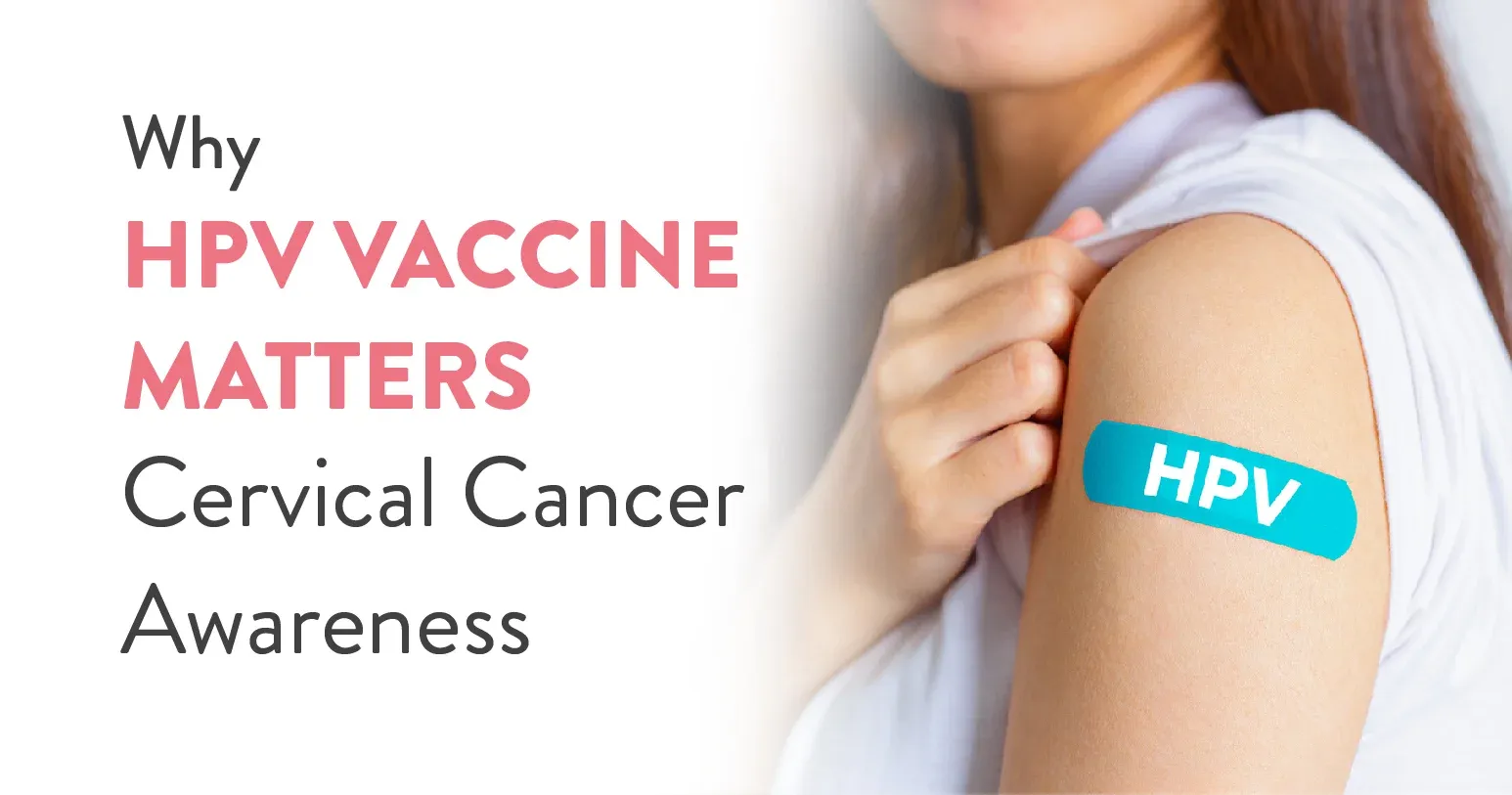
Over time cancer cases in women have been notably on the rise. Cervical Cancer after Breast Cancer is affecting Indian women the most. Recent data from MediAssist Healthcare Services reveals that cancer-related insurance claims surged in 2024, with a significant rise among women aged 40 and above.* Cervical cancer remains a leading cause of cancer-related deaths among women in the country. It’s a wake-up call, especially for women in India who need to know ways to prevent cervical cancer and stay protected.
** Source: The Lancet
The good news is that Cervical Cancer is preventable, as it is the only cancer with a vaccine. And so being proactive against the HPV virus that causes cervical cancer can be the best approach. This Cervical Cancer Awareness Month, let’s understand how the HPV vaccine can make a difference.
Table of Contents
Cervical cancer is usually the outcome of an HPV infection. HPV is a group of viruses, with over 100 strains and can be transmitted through sexual contact. Most HPV infections clear naturally, some however overstay their welcome, leading to abnormal cervical cell growth and, eventually, cancer. Studies suggest that predominantly strain types 16 and 18 are responsible for causing about 70% of all recorded cervical cancer cases.
But Cervical Cancer cells need certain contributing factors in order to manifest and evolve.
If someone is already experiencing conditions like HIV or are under long-term steroid use due to other diseases, then they are certainly more susceptible to develop cancer. A weak immune system is the perfect base to manifest cancer cells.
Today smoking is prevalent in men and women alike and is therefore the most common contributor to causing cancer. The oxidation process of smoking has been proven to harm cervical cells and therefore impair immunity. This poor lifestyle choice is affecting more and more people everyday.
The cervical region needs extra attention as poor hygiene practices can lead to heightened infection risks. This means proper usage of clean sanitary napkins, regular cleaning and special care during menstruation among women. This also applies to keeping the region clean post sexual activity.
Prolonged use may slightly increase cancer risk. Many women are prescribed contraceptives to treat various other problems, such as hormonal imbalance, irregular periods and PCOS. It is very important to discuss this with your doctor to ensure one problem does not invite another.
HPV is sexually transmitted. Therefore a vast majority of sexually active individuals will contract HPV at some point of time in their lives. This makes vaccination and screening essential.
The HPV vaccine protects against the most common cancer-causing strains of HPV (types 16 and 18), reducing the risk of cervical, vaginal, and vulvar cancers.
Answer these questions to assess your risk:
If you got more than two Yes-s, it is time you visited your doctor.
Think of a Pap smear as your cervical health’s early warning system. This quick and straightforward test is like a radar, spotting abnormal cell changes long before they turn into something more serious, like cervical cancer.
For women aged 21 and above, regular Pap smears aren’t just a recommendation—they’re a lifesaver. Pair it with the HPV vaccine, and you’ve got a one-two punch against cervical cancer. Remember, prevention is always better than cure.
If any of these apply to you, consult a healthcare provider for a Pap smear or HPV test. Early detection saves lives.
Cancer cannot be cured, but it can be prevented. Cervical cancer is the only cancer that comes with a vaccine. Then grab this time sensitive opportunity to stay one step ahead, proactively. Consult your doctor about eligibility and timing.
Early detection is the best approach to cancer. If you have exceeded the age bracket for the vaccine, then pap smears are your best alternative. Pap smears are effective as they detect precancerous changes early, making it easier to prevent things from going out of hand. But one must be regular with this and discuss a screening schedule with their gynaecologist.
Choosing a good lifestyle and consistently ensuring proper menstrual hygiene can prevent any kind of gynaecological anomalies from affecting your life. Eat healthy and quit smoking to buy yourself time away from a host of life altering diseases.
“As a doctor, I’ve seen the toll cervical cancer takes on women and families,” says Dr. Aruna Kalra, Consultant Gynecologist at the CK Birla Hospital. “The HPV vaccine is one of the most effective tools we have to protect against this preventable disease. Vaccination combined with regular screenings is your best bet for safeguarding your health.”
Cervical cancer is preventable. This Cervical Cancer Awareness Month, prioritise your health by learning about the HPV vaccine and encouraging others to do the same. Awareness and early action can save lives.
Share this with your loved ones and take the first step toward a healthier future. For more information, contact us at https://www.ckbhospital.com/doctors/cervical-cancer-treatment-doctors-in-delhi/

Polycystic Ovary Disease (PCOD) is a medical condition diagnosed in females during the reproductive age. The condition causes the ovaries to produce more immature or partially mature eggs which accumulate in the ovary. Over time these immature or partially mature eggs begin to develop into cysts which cause the release of excess amounts of androgens, a hormone leading to irregular periods, infertility, and other health problems.
According to Unicef.org, about one-third of menstruating women around the world suffer from PCOD. Lifestyle factors like chronic stress, an unhealthy diet, and an inactive lifestyle can be linked to this enormous number. Females suffering from PCOD can experience issues like heavy bleeding during periods, irregular menstrual periods, sleep disorders, depression, difficulty getting pregnant, skin darkening, etc.
Table of Contents
The exact cause of PCOD is still unknown, though several factors influence the hormone level and ovarian function leading to PCOD including,
Insulin produced by the pancreas helps regulate the blood sugar level in the body. The excess insulin level leads to the overproduction of androgens affecting ovulation.
Several studies reveal indicators connected to genetic sequences associated with PCOD. Individuals may be at greater risk if a close family member has it.
Unhealthy lifestyle habits like excessive consumption of junk food, heavy smoking and alcohol consumption may also cause conditions like PCOD and other related disorders.
A hormonal imbalance and insulin resistance caused by obesity can also result in PCOD.
Low-grade inflammation due to various reasons can trigger the ovaries to overproduce androgens contributing to PCOD.
Keeping up a healthy diet is beneficial for overall health, particularly for people facing PCOD and related conditions. If a customised diet plan is followed while managing PCOD it can help with weight control, insulin sensitivity, support hormonal imbalance, and reduce inflammation. A combined approach involving regular exercising, stress management, and making healthy dietary changes can help with the effective management of PCOD. The recommended food that helps with managing PCOD includes,
Insulin resistance is frequently linked to polycystic ovarian disease. Including foods high in fibre in your daily diet can help keep the blood sugar levels stable. The diet should include vegetables that are high in fibre such as spinach, broccoli, etc.
Consuming healthy fats helps with hormone production, lowers inflammation, and promotes hormone imbalance. Including products with healthy fats like avocados, nuts, flax seeds, chia seeds, etc in daily diet can help effectively manage PCOD and other related conditions.
Adding protein to the daily diet like fish, tofu, lentils, etc. can help support muscle health, promote a feeling of fullness, and help regulate hormones.
Foods that are high in antioxidants can help control stress, lower inflammation, and balance insulin production. Berries, spinach, avocado, nuts, olive oil and, other foods can all help increase antioxidant levels managing PCOD effectively.
Green teas and spearmint tea are rich in antioxidants and are known to have anti-androgen properties. Including these in your regular diet can help with improving insulin sensitivity.
Additional foods and products to incorporate into the daily diet to manage PCOD include fruits and vegetables with a low glycemic index (GI), omega-3-rich foods, fermented foods, green leafy vegetables, etc.
Some foods can help maintain hormonal balance while others can worsen hormonal imbalance, increase inflammation, and aggravate insulin resistance. Certain food categories can exacerbate the symptoms of PCOD and should be avoided including:
| Category | Examples |
| Refined Carbohydrates | White bread, white rice, pasta, cookies, muffins |
| Processed & Junk Foods | Chips, fast food, frozen meals, packaged snacks |
| Sugary Beverages | Sodas, sweetened coffee/tea, energy drinks, fruit juices |
| Alcohol | Beer, wine, spirits, cocktails |
| Red & Processed Meats | Bacon, sausages, salami, fatty red meats |
A balanced diet for managing PCOD promotes balancing hormones, reducing inflammation, managing insulin resistance, and maintaining a healthy weight. Since, PCOD is a chronic condition and can’t be cured, following a balanced diet and avoiding the triggering food & products can help manage the symptoms and reduce the risk of long-term complications and promote the overall quality of life. Under the direction of a nutritionist or specialist a customised diet plan is created with the patient’s overall health in mind. It aids in the efficient management of the symptoms related to PCOD and fosters long-term health.
What are the complications of the PCOD problem?
There are various complications related to PCOD, including infertility, depression, obesity, sleep apnea, etc. Changes in lifestyle, medication, supervision, etc. can all help manage these complications.
Why does PCOD cause weight gain?
PCOD is a condition when excessive hormones called androgens are produced. Elevated androgen levels can increase appetite, and promote abdominal fat storage leading to weight gain.
When is PCOD dangerous?
PCOD can have serious consequences including an increased risk of diabetes, heart disease, pregnancy complications, and other illnesses if left untreated/unmanaged.

