Filter :

There have been several outbreaks that really changed how we see life, and COVID-19 is definitely one of them. It transformed everything from our work habits and travel routines to how we prioritize health and human connections. Even though the world has moved on and COVID isn’t making headlines like it used to, the virus is still very much around. In fact, a new variant has quietly entered the scene, reminding us that this story isn’t quite over yet. In recent months there has been a gradual uptick in cases, largely attributed to the highly transmissible Omicron sub-variant JN.1, along with emerging strains like NB.1.8.1 and LF.7
Table of Contents
According to some early research, the new strains NB.1.8.1 & LF.7 (a subvariant of omicron) are said to be more contagious as they are more capable of attaching themselves to human cells. However, there is yet no data showing that the variant is more harmful than the previous ones.
So far the cases in India are gradually rising and a total of 1010 active COVID cases have been reported, with the maximum cases being reported in the states of Kerala, Maharashtra, Delhi, Gujrat, and Tamil Nadu. Seven deaths have been reported in the country so far. Additionally, the hospitals in the states like Telangana, Karnataka and more have reported an increase in patients presenting with mild flu-like symptoms – fever, fatigue, dry cough, etc. Across Asia, a rise in the number of affected patients has been reported, specifically in Hong Kong, Singapore, Thailand, and more.
While the steady increase in cases might seem alarming, there’s no need to panic just yet. Also, the monsoon season is rolling in, and there’s also a rise in flu-like symptoms. However, we should remember that underlying COVID-19 infections can still be a concern, especially for older adults and those with chronic health issues.
| State | Active COVID-19 Cases |
| Kerala | 430 |
| Maharashtra | 210 |
| Delhi | 104 |
| Gujrat | 83 |
| Tamil Nadu | 69 |
| Uttar Pradesh | 15 |
Source: https://covid19dashboard.mohfw.gov.in/
As per the status shared by the Ministry of Health & Family Welfare, active cases in Delhi have reached 104. However, there is no alarming situation so far, additionally, the hospitals in the national capital are also prepared for any escalations. Gurugram reported 6 active cases so far.
Active COVID-19 cases in Mumbai saw a spike with 36 active cases and one fatality. While Maharashtra reported a total active cases of 210.
In India, 2 main sub variants namely NB.1.8.1 and LF.7 are reported to be affecting people in the majority of states including Kerala, Maharashtra, Delhi NCR, and Tamil Nadu. The sub-variants are part of the evolving Omicron variant. The first NB.1.8.1 was found in Tamil Nadu in April while the first case of LF.7 was detected first at Gujrat.
Both NB.1.8.1 and LF.7 are sub-lineages of the JN.1 variant, which remains the most dominant strain in India. These variants are being monitored by the World Health Organization (WHO). As per the initial reports, these sub-variants are more infectious and transmissible, though the severity of illness caused by them is low.
According to a renowned pulmonologist at the Calcutta Medical Research Institute (CMRI) Dr. Arup Halder, the reported cases remain mild with low hospitalisation rates.
Individuals affected with the new COVID-19 strain are reporting a range of symptoms. While some of the symptoms are similar to those of older variants, there are newer symptoms too.
The most common symptom being reported is persistent low-grade hyperthermia. The low-grade increase in body temperature may indicate an issue with the body’s thermoregulation mechanism,
The new variants, particularly NB.1.8.1 and LF.7 are known to cause nausea, loss of appetite, gastrointestinal discomfort, and more in certain individuals.
Extreme fatigue and muscle pain are also commonly being reported given the new Covid variant.
Individuals diagnosed with the new variants are also reporting upper respiratory symptoms including sore throat, cough, runny nose, mild fever, and more.
Neurological symptoms are also being reported by individuals including headache, dizziness, etc.
The symptoms usually appear 2 to 14 days after exposure and are often mild. Additionally, persistent low-grade fever without sweating & chills and gastrointestinal issues including diarrhoea, loss of appetite, etc. are the two different symptoms being reported commonly.
If you’re experiencing symptoms like mild continuous fever without any notable sweating & chills, loss of appetite, stomach discomfort, along with respiratory symptoms like runny nose, cough, and sore throat, it is recommended to,
Several reports suggest that the new strain of coronavirus has the potential to spread rapidly, the Ministry of Health and Family Welfare, India has recommended the following preventive measures:
Vaccine: Vaccines are the key to reducing the risk of severe illness. Ensure the vaccinations are up to date and booster doses are lined up.
Wear Mask: Wearing a mask is the first line of prevention, especially when in crowded places. It helps prevent and avoid the spread of the virus.
Maintain Proper Hygiene: Ensure washing hands regularly with soap and water. Additionally, use a sanitiser when outside.
Monitor Symptoms: Keep note of the symptoms like low-grade fever, nausea, stomach discomfort, sore throat, runny nose, and more.
Isolation: Isolate yourself if experiencing any of the symptoms, take adequate rest and avoid the spread of infection.
It’s important to stay safe right now, but there’s no need to panic. The vaccines are doing a great job and are effective against these new variants. Still, taking preventive measures is crucial to managing their impact. Make sure to wear a mask when you’re out, avoid crowded or enclosed spaces, self-isolate if you’re feeling any symptoms, and keep up with your vaccinations and booster shots. Plus, those at higher risk- like older adults, people with existing health conditions, and infants – should take extra precautions to stay safe. We’re seeing a surge in India, especially in metro cities where the population density and exposure are higher, so it’s even more important to be vigilant.
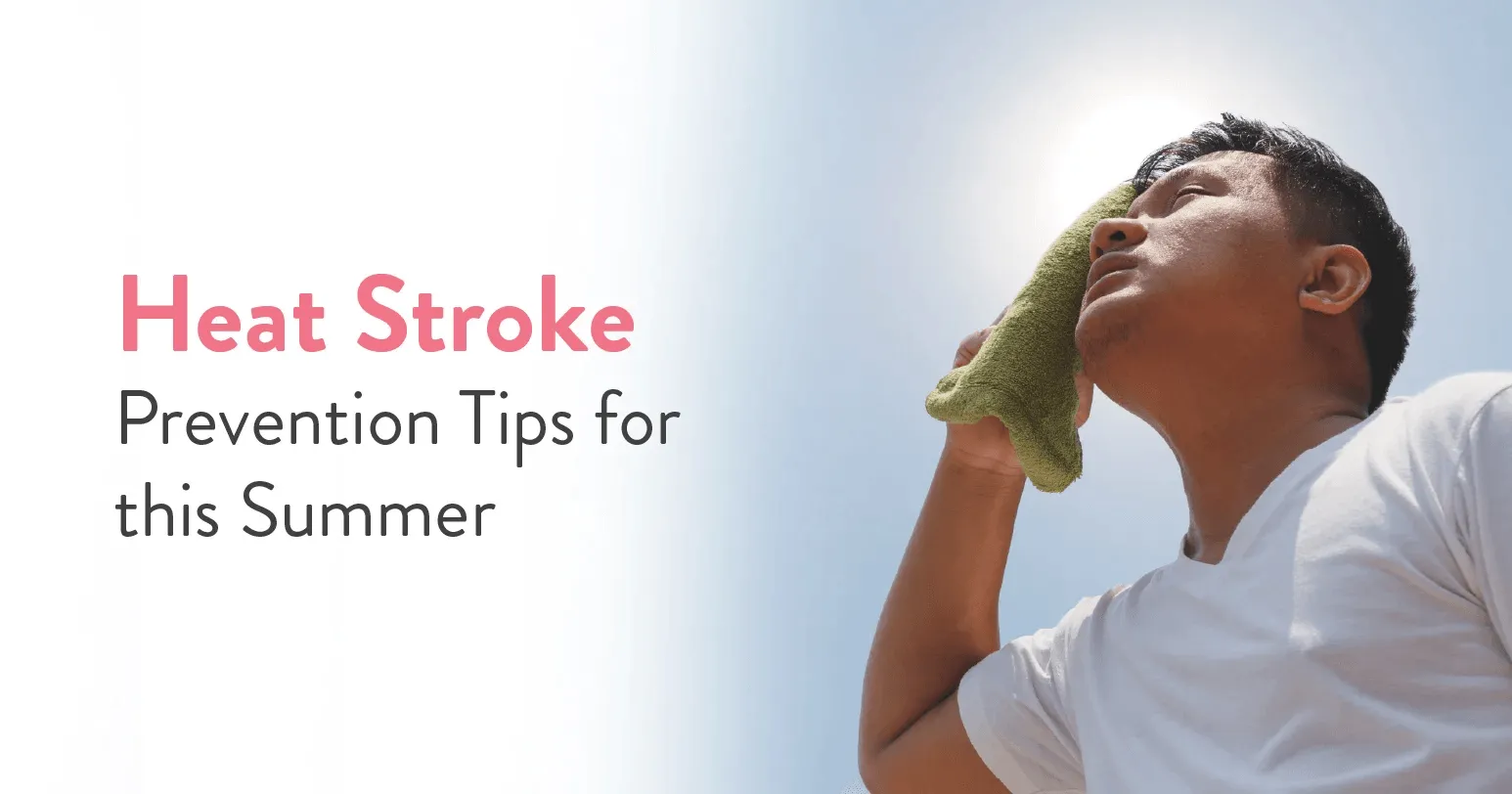
Let’s start with an honest note – Indian summers are brutal. Different regions of the nation experience record-breaking temperatures each year. The average temperature during the normal summer season which lasts from March to June is between 35°C and 45°C. Furthermore, some regions in the country exceed the higher range. Not only are these sharp temperatures increase & excess heat unpleasant but they also have an effect on health. Heat stroke is among the most prevalent conditions that arise from an increase in temperature.
Heat stroke is a severe condition resulting from prolonged exposure to excessive heat. There has been a noticeable increase in the number of heat stroke-related cases in India, given the changing climate. According to The Hindu the country recorded 41,789 heat stroke cases in 2024.
The IMD (Indian Meteorological Department) reported the year 2024, as the warmest on record in India since 1901. The prolonged exposure to high temperatures causes the body temperature to dangerously rise above 104° Fahrenheit, impairing the body’s cooling mechanism and resulting in a heat stroke.
Table of Contents
Heat stroke is defined as a life-threatening condition when the body overheats and is unable to cool down on its own. Heat stroke is common in people who live in warmer climates where summer temperatures typically reach 40 to 45°C or individuals who exercise intensely leading to the generation of a lot of body heat. Weakness, dizziness, confusion, blurred vision, nausea, and more are common signs of heat stroke. Additionally, unlike other heat-related illnesses, heat stroke affects brain function leading to changes in how you think and behave. Some of the main causes that lead to heat stroke include:
Spending time in excess heat without cooling measures, ventilation, etc.
Another common cause leading to heat stroke is overexerting the body in hot weather, increasing body heat and leading to heat exhaustion.
It is common to sweat during summers, though not drinking enough fluid impairs the body’s ability to cool down naturally which may lead to heat stroke.
Conditions like obesity (health risks & causes), diabetes (treatment), heart disease, and more can affect the body’s temperature regulation and increase the risk of heat stroke.
Wearing heavy, unbreathable clothing can also hinder the body’s ability to sweat and cool down, resulting in an increased risk of heat stroke.
The human body is built with the ability to cool down itself, though there are certain factors that can affect this ability, including prolonged exposure to excessive heat and heat generated by the body’s metabolism during physical activity, both impair the body’s natural ability to cool down.
Heat stroke is a medical emergency and requires immediate medical attention, therefore understanding the related symptoms is crucial. Some of the common symptoms include:
Summers in India are known to break the high record for temperature every year. The impact of rising temperature poses significant risks for everyone, but especially to vulnerable populations like infants, the elderly, individuals with health conditions, outdoor workers, and more. Here’s how to avoid excessive heat leading to heat stroke:
Use air conditioners, fans, etc. to keep the inside temperature cool, especially when the temperature outside is very high.
Stay hydrated, especially before and after engaging in physical activity during hot weather. Additionally, keeping hydrated with just water is not enough, take electrolytes, eat more water-rich fruits (benefits of eating muskmelon (kharbuja)), etc. to maintain hydration.
If you’re spending most of your time in air-conditioned space, refrain from directly going outdoors as the body might not be ready for that kind of exposure. The key is to gradually expose the body to activities outdoors.
Refrain from outdoor workouts and staying out during the hottest part of the day. Try working & exercising indoors when the outside temperature is high.
When outside wear proper full sleeves breathable clothing that is loose fitting to keep safe and limit sun exposure. Additionally, use umbrellas, goggles, hats, etc. to protect from the sun.
Additionally, to prevent heat stroke, develop a plan for hot days, maintain a healthy weight, stay extra cautious if there’s an existing medical condition, wear light-colored clothing, gradually increase physical activity, and more.
Heat stroke is a medical emergency that requires immediate medical attention as the condition can lead to serious complications like organ damage and more. Here’s what to do in an emergency:
Here are some home remedies that help with heat stroke:
| Remedy | Benefits |
| Cold Water Compress | Helps reduce body temperature |
| Coconut Water | Replenishes electrolytes & cools the body |
| Lemon Water (Salt & Sugar) | Helps with hydration, provides energy & electrolyte support |
| Ice Pack Under Feet | Helps cool the body quickly & reflex cooling points |
| Cucumber Juice | Rehydrates, soothing for skin and body heat |
| Poppy Seeds | Cools the body & aids in sleep/rest during recovery |
How can I tell if I’m getting heat stroke or just overheated?
The difference can be ascertained by noticing the body temperature and mental state. If the body temperature is around 104°F along with confusion, agitation, etc. it may be heat stroke.
Is heat stroke dangerous even if I cool down quickly?
Yes, heat stroke is a dangerous condition, even if you cool down quickly.
How much water should I drink to avoid heat stroke?
Drink at least 3 to 4 litres of water daily to avoid heat stroke.
Does sunscreen prevent heat stroke?
Sunscreen does not directly prevent heat stroke, though it prevents sunburn.
What is the difference between heat stroke and exhaustion?
Exhaustion is a milder condition where the body loses excessive water & salt through sweat while heat stroke is a condition where the body’s temperature control fails.

A breast lump is defined by swelling or growth within the breast tissues. These lumps can result from breast cysts, infections, calcium deposits, and other conditions. Breast lumps can be hard, soft, smooth, or round. Usually, breast lumps and other abnormalities are associated with breast cancer, though the majority of breast lumps are not cancer.
Table of Contents
A lump in the breast can feel like a distinct mass that is solid and different from the surrounding breast tissues. These lumps can vary in size and can range from as small as a pea to larger than a golf ball. Breast lumps can also be a sign of breast cancer, though approximately 8 out of 10 breast lumps are non-cancerous. The majority of lumps are cysts (fluid-filled sacs) or fibroadenoma (non-cancerous growths caused by sensitivity to oestrogen).
A breast lump is a growth under the skin and is usually felt rather than seen. On touch, a breast lump might feel like,
Additionally, a breast lump can have some visible signs, including
The lumps might feel as hard as rock or squishy like a grape. The signs can be accompanied by nipple changes like inversion, discharge, or scaling of the nipple.
Also Read: Are you a Breast Cancer Survivor? You can still have a baby!
A breast examination helps identify breast lumps, the key lies in noticing any new, unusual or persistent change. There are certain things to look for when identifying any unusual breast lumps, including,
Noticing changes in texture involves checking for lumpy, bumpy breast tissues or areas that feel different from surrounding tissues.
Identifying breast lumps also involves looking for changes in the skin, like dimpling, puckering, or redness of the skin on the breast.
Lastly, self-exam the nipples, including checking for unusual discharge, change in size and shape.
There are several ways through which breast lumps can be self-examined, including,
Also Read: Heart Attack in Youngsters: Rising Risks, Cause, Symptoms, Preventions
There are various types of breast lumps, which may be benign or cancerous. Though benign breast lumps are more common than cancerous breast lumps.
These are the most common benign breast tumours often found in younger women in their 20s and 30s. Fibroadenomas (types, causes, symptoms, treatment & prevention) may feel rubbery to touch, move around freely and are usually painless.
Breast cysts are fluid-filled sacs within the breast tissue. Breast cysts are associated with hormonal fluctuations and are most common in women aged between 35 to 50.
Fat necrosis is a condition where the fat tissues die due to injury or lack of blood supply. A breast surgery or biopsy may also lead to the formation of this non-cancerous lump.
Lipomas are fatty lumps that grow slowly and are soft to touch and move around freely when touched. These lumps do not require treatment unless they cause any discomfort.
Mastitis is a condition caused by infection, causing inflammation of the breast tissues. Mastitis can cause symptoms like fever, chills, etc.
Breast cancer can also lead to lumps that are cancerous. This kind of lump is hard, irregular, and fixed. Such lumps may cause skin dimpling, nipple changes, or discharge.
Also Read: What are the Side Effects of Masturbation?
The are several causes, ranging from benign conditions to malignant factors, including,
Causes |
Signs |
| Hormonal Changes | Hormone fluctuations can cause swollen, or lumpy breasts & fibrocystic changes. |
| Breast Cysts | Fluid buildup in the glands resulting in smooth, round, soft or firm lumps. |
| Fibroadenoma | Overgrowth of breast ducts leading to rubbery & movable lumps. |
| Infections | Mastitis or Abscess can cause a red, painful, swollen lump with fever & discharge. |
| Breast Cancer | Uncontrolled growth of breast cells resulting in a hard, immobile lump. |
Some of the common symptoms include,
The most common sign is the formation of a new lump or mass that can be rubbery or hard.
Changes in size and shape are another common sign of a developing breast lump.
Dimpling, pitting or redness of the skin can also be caused by breast lumps, though it commonly indicates breast cancer.
Inversion or unusual discharge from the nipple or other changes can also be a sign.
Swelling or other noticeable changes can also be a sign. Commonly, it can be a sign of breast cancer.
Also Read: Pollen Allergy : Types, Symptoms, Treatment & Prevention
There are numerous reasons that can lead to the development of breast lumps. Also, breast lumps are one of the symptoms of breast cancer; thus, if there are any noticeable changes, contacting the healthcare provider is recommended.
Benign breast lumps sometimes go away on their own, additionally, young people may experience lumps during their menstrual cycle, though these lumps go away by the end of the cycle. The initial appointment with the doctor might include,
The specialist might check the lumps and other unusual growth or changes.
The doctor might inquire about symptoms, medical history, and family history.
Imaging scan to have a detailed view of the breasts.
Post the physical exam and imaging tests, the doctor may recommend a viable treatment option. Some of the common treatment options include,
The first-line treatment may involve using antibiotics for the treatment of breast lumps, usually caused by infections.
Fluid drainage can help manage and treat breast cysts if they get large or painful.
Biopsy can be further recommended to characterise a mass.
Surgical treatment method for removing the lump and surrounding breast tissues.
Mastectomy, a surgical procedure involving the removal of the entire breast. This is usually the treatment method if the lump is cancerous and spreads.
If the lump is detected to be cancerous, chemotherapy is used to destroy the cancer cells.
Treatment involves targeting hormone receptors on cancer cells. Hormonal therapy is often recommended for hormone receptor-positive breast cancers.
Other treatment options include radiation therapy, targeted therapy, surgery, etc.
Also Read: Dermatitis: Types, Causes, Symptoms & Home Remedies for Treatment
Breast cancer lumps are abnormal growths or masses that are cancerous and form in the breast tissue. A breast cancer lump is usually different from benign lumps; a cancerous breast lump might feel like,
A lump caused by breast cancer can be accompanied by skin dimpling or puckering, unusual nipple discharge, nipple retraction, swelling in a part or whole of the breast, changes in breast size or shape, and more.
Also Read: Healthy Diet Chart for High Blood Pressure Patients
Breast tissues are naturally lumpy, and if the lumpiness feels like the rest of the breast, there is no need to worry. Also, if the lumps develop during the menstrual cycle and go away by the end of the cycle, it can be natural. Contacting the healthcare provider is necessary if,
Our expert Breast Cancer Doctors are here to guide you with any breast cancer-related issues
Read More: 8 Proven Strategies to Stay Cool, Healthy & Productive in Summer
How to cure a breast lump naturally?
Certain types of breast lumps, particularly benign lumps, can sometimes go away on their own, though there’s no natural cure for breast lumps.
Does a lump in the breast mean cancer?
No, a breast lump is just not caused due to breast cancer; in fact, 80% of the breast lumps are caused by benign conditions.
Which doctor to consult for a breast lump?
A gynaecologist or breast specialist can be consulted for a breast lump.
Is a breast cancer lump painful?
Usually, breast cancer lumps are painless, though in some cases, breast cancer lumps can cause pain.
Does a painful lump in the breast mean cancer?
No, a lump in the breast does not always mean cancer. 80% of breast lumps are non-cancerous.
Are lumps common in the breast?
Yes, lumps in the breast are common.
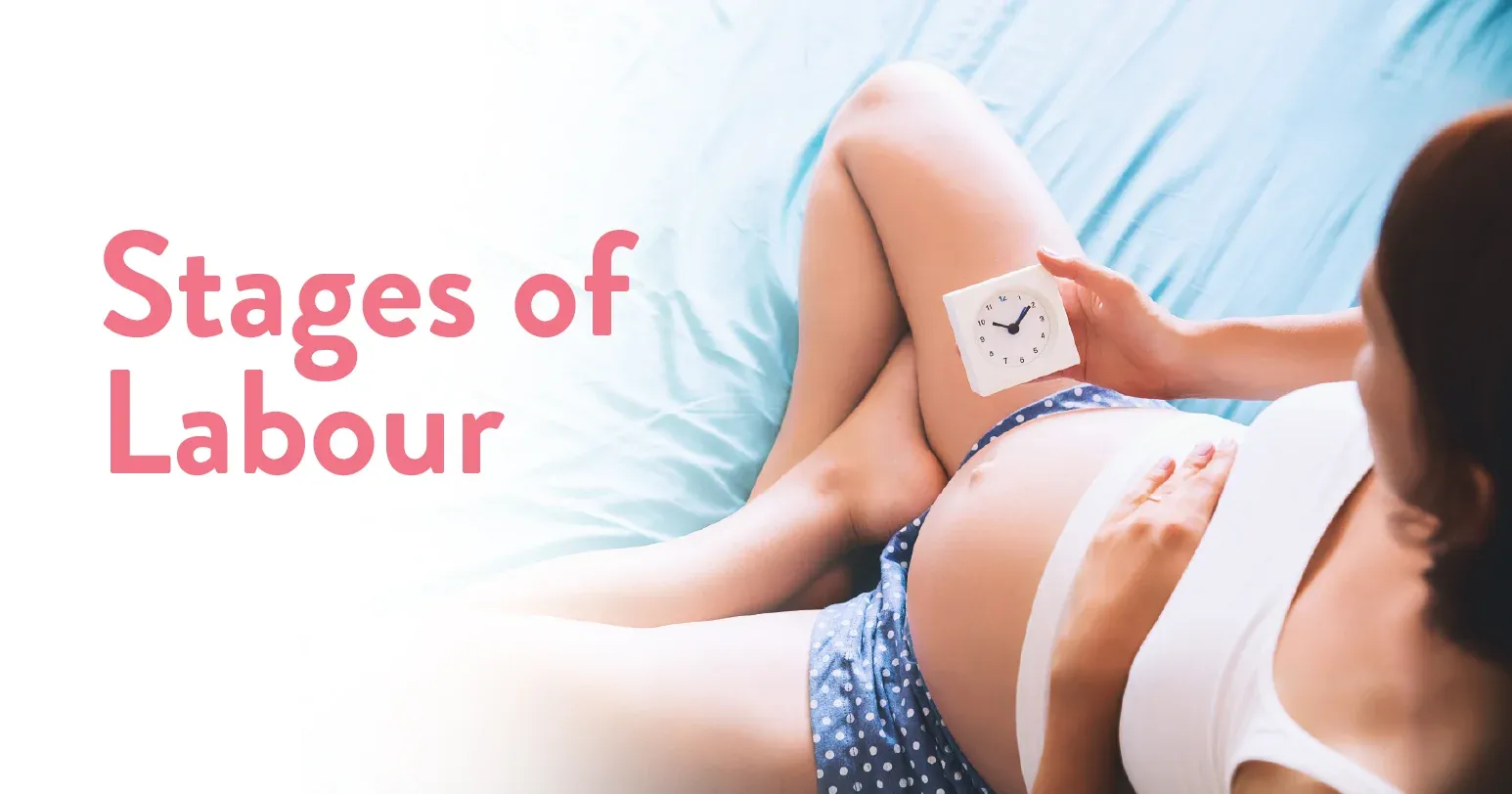
Table of Contents Labour is a natural process in which your baby prepares to leave the uterus leading to childbirth. The process of labour is classified majorly into 4 stages – dilation of the cervix, childbirth, birth of the placenta and recovery. Every labour is a unique experience for every woman. The first stage of labour begins when you experience regular contractions. These contractions cause your cervix to start to open (dilate) and become thin and soft (effacement). These changes help your baby to move into the birth canal. The first stage of labour is divided into two parts – Early labour – Early labour can last for hours or even days for women. During this stage, you may experience irregular contractions, period-like pain, loose bowel motions and an urge to vomit. You may also notice a pink-coloured, blood-stained discharge. Active labour – During this phase of the first stage of labour, your cervix begins to dilate from 6 cm to 10 cm. You will experience more frequent and stronger contractions. Other symptoms of active labour include leg cramping, nausea and pressure in the back. Active labour can last between 4-8 hours. The second stage of labour involves childbirth or the delivery of your baby. It is the period when your cervix is fully dilated to the delivery of your baby. The time taken to deliver a baby varies from one woman to another. You can expect to experience the following during the second stage of labour: Your healthcare provider will help you deliver the baby and guide you on when to push. He/she may also advise you about the different positions, labour pain management and staying motivated to push. The third stage of labour includes the delivery of the placenta. In this stage, you will experience more contractions (slightly mild) and a feeling of fullness in your vagina. The third stage of labour lasts upto 5-30 minutes and may sometimes take longer. Your obstetrician will ask you to push one more time to deliver the placenta. The fourth and final stage of labour involves active and physiological management and recovery. In this stage, your healthcare provider will lower your risk of heavy postpartum bleeding. The time between dilating to 1 cm is different for each woman. Some women experience dilation within a few hours while others may take several hours to achieve. Early signs of labour include frequent contractions, display of mucus plug, back pain and an increased urge to urinate.
Things you need to know
Stages of labour
The first stage of labour
The second stage of labour
The third stage of labour
The fourth stage of labour
FAQs
How long does labour last?
The time period of labour varies for every woman. On average, the first stage of labour can last for several hours (10-14 hours).
How long does it take for your cervix to become fully dilated?
What are the signs of labour?

Table of Contents
Have you recently quit or are trying to quit smoking? Are you constantly drawn towards sugar candies to keep your withdrawals under control? Do you have a sweet tooth and prediabetic but cannot resist a good old orange sugar candy? Your story is similar to a lot of folks who are caught in a love-hate relationship with sugar candies. Having a sweet tooth is not the problem here, the problem is the intake of refined sugars.
Sugar candies are primarily made of one main ingredient – Sugar! High levels of refined sugars are mixed with artificial colors and lots of preservatives. Regular consumption of these candies almost always show up in our bodies through obesity, diabetes, and heart disease. While it was ok to have them as kids, we are no longer as active as we used to be in order to burn it out.
According to the World Health Organization (WHO), excessive sugar intake increases the risk of type 2 diabetes and cardiovascular diseases, even in children who do not indulge in sports or outdoor activities. Additionally, they add little to no nutritional value, making them an unhealthy snack by default.
Dried apricots are naturally sweet, packed with essential nutrients, and free from any form of artificial additives. They provide necessary dietary fibre, rich in vitamins & antioxidants, and minerals that support overall health. Although sweet, they do not cause rapid spikes in blood sugar caused by sugar candies. Dried apricots also have a lower glycemic index, making them a safer option for diabetics and pre-diabetics.
Below is the detailed nutritional breakdown per 100 grams of dried apricots:
| Nutrient | Amount |
| Energy | 241 kcal |
| Carbohydrates | 63.9 g |
| Sugars | 53.4 g |
| Fiber | 7.3 g |
| Protein | 3.4 g |
| Fat | 0.5 g |
| Vitamin A | 1800 IU |
| Vitamin C | 1 mg |
| Potassium | 1162 mg |
| Calcium | 55 mg |
| Iron | 2.7 mg |
| Magnesium | 32 mg |
The sugar in candies is refined and quickly absorbed, leading to spikes in blood sugar levels. In contrast, dried apricots contain natural fruit sugars, which are absorbed more slowly due to their high fibre content.
Candies often contain artificial colors, flavors, and preservatives that can have harmful effects over time. Dried apricots, however, provide a natural source of vitamins A and C, iron, and potassium, which support immune function, skin health, and heart health.
| Component | Sugar Candies (100g) | Dried Apricots (100g) |
| Calories | 400 kcal | 241 kcal |
| Sugar Content | 90g (Added Sugar) | 53.4g (Natural Sugar) |
| Fiber | 0g | 7.3g |
| Vitamins & Minerals | Minimal | Rich in Vitamin A, C, Iron, and Potassium |
| Glycemic Index | High (Rapid Blood Sugar Spike) | Moderate (Steady Blood Sugar Levels) |
Dried apricots offer a nutritious and natural alternative to sugar candies, especially for those looking to manage diabetes or reduce refined sugar intake. They are packed with fibre, vitamins, and minerals that promote overall health without artificial additives. By making a small dietary shift, you can enjoy a delicious yet healthy treat that satisfies your sweet cravings while supporting long-term well-being.
Dried apricots can be eaten as a snack, added to cereals, blended into smoothies, or used in cooking for natural sweetness.
Yes, dried apricots are rich in iron, folate, and fibre, which are beneficial for foetal development and preventing anaemia during pregnancy.
Dried apricots have a moderate glycemic index and are rich in fibre, making them a healthier option for diabetics when consumed in moderation.
By replacing sugar candies with dried apricots, you take a simple yet impactful step towards a healthier lifestyle!
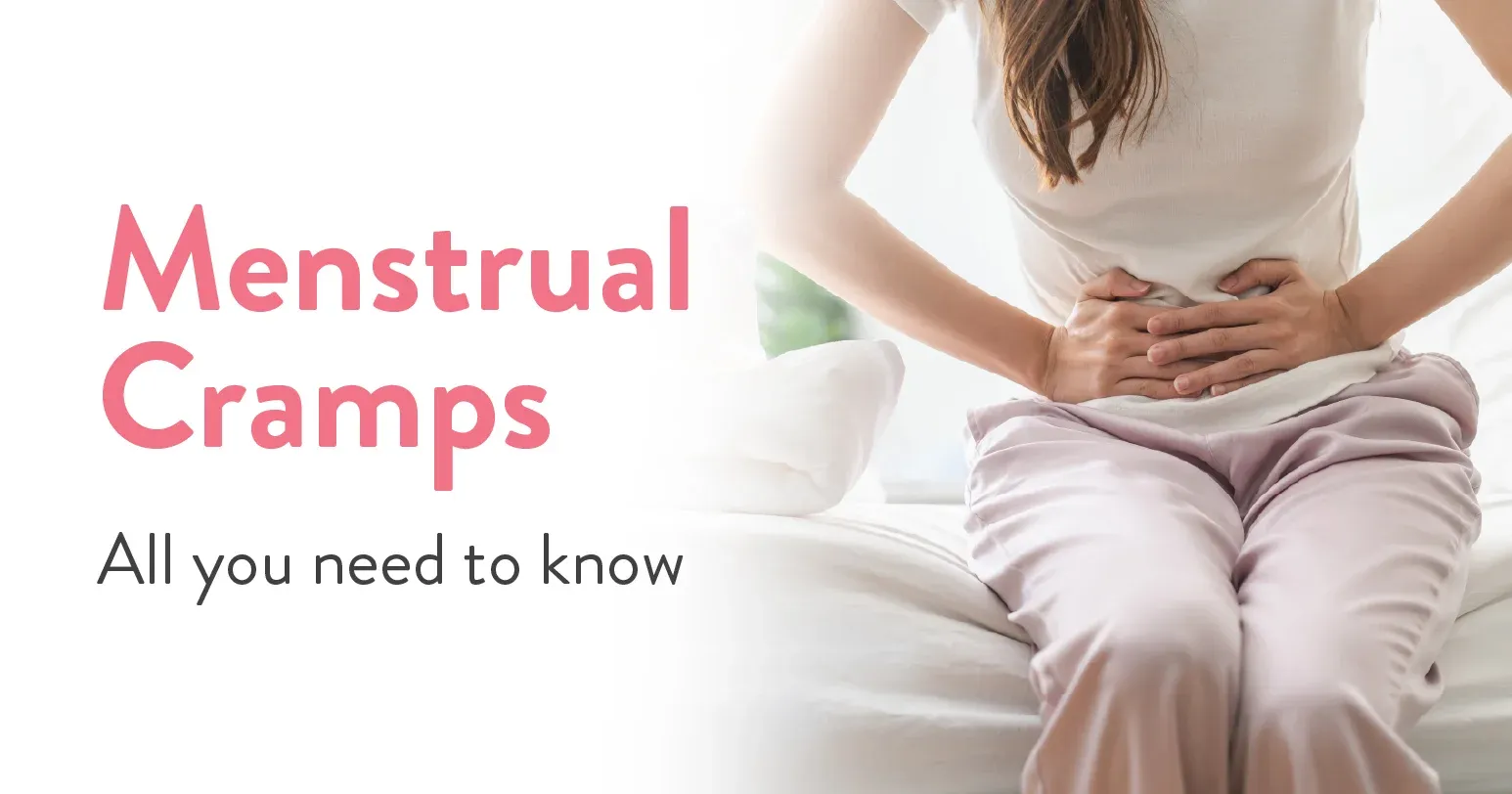
In India, menstruation has proven to be a bit of a taboo. Considered dirty and impure, women avoid speaking about their periods in public and shopkeepers pack sanitary napkins in opaque black plastic. Yet, all women experience the emotional and physical ebbs and flows of the menstrual cycle. For some women, their periods can feel like the worst part of the month. Ladies far and wide find themselves curled up under blankets, cradling hot water bottles in attempts to soothe the pain.
On the most part, cramping is considered a normal part of the menstrual cycle. A common experience, three out of four women report having cramps during their period. The likely cause of most menstrual cramps has been linked to hormone-like compounds called prostaglandins that are released as the uterine lining begins to shed. Although prostaglandins facilitate the uterine contractions that help expel the uterine lining, they can cause extreme pain when produced in excess.
Severe menstrual cramps can also be caused by medical conditions such as endometriosis or adenomyosis. If your cramps are particularly bad, you should reach out to your doctor. Since female pain is often overlooked and under-treated, we encourage you to advocate for yourself and seek out treatment from an OB/GYN healthcare provider near you.
Five well known methods you can try to soothe your cramps at home: –
In the face of livid menstrual cramps, heat compresses through hot water bottles and warm baths are a tried and tested method for relief. Some studies have shown heat to be as effective as NSAIDs and aspirin for menstrual cramp pain.
It seems ginger may also be as effective as common painkillers, some clinical trials suggest. Ingestion of an eighth of a teaspoon of ginger three times a day during one’s period is reported to be helpful for cramps and reduction of bleeding.
Certain low stress workouts have been found to ease bloating, back and leg pain caused by menstruation. Increasing blood circulation in the affected area while also strengthening it contributes greatly to pain relief.
During one’s period, it is recommended to refrain from the use of drugs such as alcohol, tobacco and caffeine. All are known to increase inflammation and can lead to worsened pain.
The release of endorphins such as oxytocin and dopamine through sexual activity is a strong line of defense against period pains. The power of endorphins in reducing pain is as strong, if not stronger, than many over-the-counter painkillers. Although a pain relief method that is slightly off the beaten path, it is surely worth considering.

Table of Contents You can expect to gain some amount of weight during pregnancy to accommodate the growth and development of your baby. A moderate and healthy weight gain can help you in having an easier pregnancy and childbirth. However, gaining too much or too little weight can cause health concerns for you and your baby. Common complications and health problems include gestational diabetes, hypertension during pregnancy and increased chances of a Cesarean section. The body weight goals of each expecting mother are different. Your weight gain depends on your Body Mass Index (BMI) before pregnancy. Your obstetrician can help you in identifying your weight goals. Being pregnant does not mean that you are “eating for two”. During pregnancy, you should aim to double up on your nutritional intake. It is advised that pregnant women should eat 5 portions of a variety of foods and vegetables. You should eat nearly 300 extra calories on a daily basis. Nutrition during pregnancy should incorporate folic acid, iron, protein, calcium, Vitamin D, Vitamin A, Vitamin C and minerals. Foods to eat during pregnancy: bread, potatoes, breakfast cereals, rice, meat, fish, poultry, eggs, beans, pulses, nuts, cheese, yoghurt, broccoli, citrus fruits, peas, leafy green vegetables and whole grains. Foods to avoid during pregnancy: Uncooked or raw food, high-mercury fish, raw eggs and processed junk food. Exercise during pregnancy has multiple benefits for the mother and the baby. Pregnant women are encouraged to exercise regularly as it prevents the side effects of pregnancy and supports the growth of their babies. Routine exercises help you prepare for labour and childbirth. Your obstetrician and antenatal experts provide personalised guidance to help you strengthen your pelvic floor. Some common forms of exercise for pregnant women include walking, prenatal yoga, pilates, aerobics and kegel exercises. It can be difficult to meet your nutritional requirements from food alone each day. It is advised that expecting mothers start taking prenatal vitamins to fulfil their nutrition needs. These supplements also help in the prevention of certain neural tube defects including spina bifida. You should take one prenatal vitamin daily as prescribed by your doctor. During pregnancy, your body is doing an extra amount of work to support the growth of your baby. It is natural to feel tired and exhausted frequently during this time. It is advised that pregnant women should get plenty of rest and sleep every day. You should sleep for at least 7-9 hours each day. A healthy lifestyle during pregnancy also includes cutting down on bad habits. Here is a list of things you should avoid in order to remain healthy during pregnancy: Your weight gain during pregnancy depends on your weight before pregnancy. Most women gain between 10-12kgs during pregnancy.
Things you need to know
Healthy weight
Healthy eating
Physical activity
Prenatal vitamins
Things to avoid
FAQs
What are the early signs of pregnancy?
Early signs of pregnancy include frequent urination, breast soreness, fatigue and nausea.
How much weight should I gain during pregnancy?
How should I sleep in pregnancy?
During the first trimester, you can sleep on your back. However, as your pregnancy progresses and your bump becomes more profound, you should sleep on your side.

Table of Contents
Pollen is a fine powder produced by trees, flowers, weeds, and grasses to fertilize other plants belonging to the same species. Pollen is one of the most common factor leading to allergies in India. The powdery particle travels by floating in the air, inhaling which can cause symptoms like stuffy nose, coughing, and more. Our body’s immune system thinks pollen is a dangerous intruder and produces chemicals to fight off pollen leading to an allergic reaction.
Did you know? Pollen can travel miles and each plant has unique pollen making them different in size, shape, and at times colour from the others. Pollen allergy is considered seasonal and affects people when plants pollinate and in warmer climates symptoms of pollen can start from January.
Pollen allergy, also referred to as seasonal allergic rhinitis, is triggered by three sources, i.e. tree pollen, grass pollen, and weed pollen. Each of these plants pollinates at different times of the year. The different types of pollen allergies include:
Tree pollen allergy as the name implies are allergies caused due to pollen produced by trees. Some species that cause the most allergy symptoms include Birch, Cedar, and Oak. Tree pollen allergies are most common during the spring when the trees are blooming & releasing pollen.
Grass pollen allergies peak in late spring and summer. Grass pollen is comparatively light and the wind can easily carry it. The most common types of grass that lead to grass pollen allergies include Johnson, Bahia, Bermuda, Fescue, and more.
Allergies caused due to weed pollen are the most around late summer and fall. The most common species of weed pollen causing allergy is Ragweed, other species include Sagebrush, Tumbleweed, Burning bush, etc. One Ragweed plant can produce 1 billion grains of pollen.
Also Read: Heart Attack in Youngsters: Rising Risks, Cause, Symptoms, Preventions
Pollen allergies occur when your body mistakenly identifies pollen as a dangerous substance, further the immune system begins to produce chemicals including histamine to fight against the pollen leading to allergic reaction. When pollen produced by trees, grasses, and weeds are inhaled the overactive immune system triggers an allergic reaction causing symptoms like sneezing, runny nose, and itchy eyes.
Factors like a family history of allergies or asthma, living in areas with high pollen counts, exposure to air pollution (health impact of air pollution), and a weakened immune system (tips to boost your immune system) make you more prone to pollen allergies.
Also Read: Dermatitis- Types, Causes, Symptoms & Home Remedies for Treatment
The nasal passage can be congested or produce a watery discharge due to watery mucus produced by the body to trap the pollen. Additionally, inflammation of the nasal tissue leads to a feeling of a stuffy nose.
Sneezing is another common symptom of pollen allergies. The reflex occurs when the body tries to push the pollen out of the nasal passage through sneezing.
Pollen landing on the eyes can cause irritation, redness, excessive tearing, and puffiness around the eyes.
Pollen triggers in sensitive tissues around the throat and mouth, particularly the roof of the mouth and back of the throat.
Allergy symptoms like sneezing, lack of sleep (sleep disorders & their treatment), and other allergic responses can make the body feel drained and drowsy.
Pollen allergy can affect the ability to taste or smell food due to nasal congestion.
Also Read: Benefits & Side Effects of Jamun (Indian Blackberry)
Pollen allergies are treated by an allergist, a doctor specializing in the treatment of various types of allergies. The treatment depends on how severe the allergy is and determining what works best for your body. The treatment options include:
Antihistamines help control the histamine production in the body which the body produces in response to the allergens. Taking antihistamines helps control sneezing, itching, runny nose, etc.
Treatment using nasal sprays helps reduce inflammation in the nasal passage.
Treatment involves gradually exposing the body to allergens to desensitize it resulting in long term relief from pollen allergies.
Leukotriene inhibitors pills help block leukotriene which causes inflammation during an allergic reaction.
Decongestants help clean nasal congestion by shrinking and normalizing swallowed nasal passages.
Also Read: Benefits & Side Effects of Muskmelon (Kharbuja)
| Prevention Tips | Description |
| Regularly Check Forecasts | Frequently check pollen forecasts & stay indoors if levels are high. |
| Wear Sunglasses & Mask | When going out, wear sunglasses & mask to protect from exposure. |
| Use Air Purifiers | Use air purifiers & HEPA filters that help trap pollen indoors. |
| Shower After Going Out | Take a bath post returning from outside to remove pollen from skin & hair. |
| Keep Windows Closed | Avoid opening windows especially when the pollen levels are high. |
Does pollen allergy cause fever?
No, pollen allergies are seasonal allergies and do not cause fever.
Does pollen allergy cause sore throat?
Yes, pollen allergies can cause sore throat.
How long do pollen allergy symptoms last?
Pollen allergy symptoms may appear as long as the allergen is present in the air.
Is pollen allergy common?
Yes, allergies caused by pollen are very common.
Is pollen allergy dangerous?
Pollen allergies are usually not dangerous, though they can affect the quality of life significantly.
Is pollen allergy genetic?
Yes, pollen allergies can be genetic.

Table of Contents The final 7th, 8th and 9th months of pregnancy mark the third trimester. In the final stage, your baby matures fully and prepares itself as well as your body for labour and childbirth. For some women, childbirth may happen earlier than 40 weeks. While for others, obstetricians may need to induce labour if the third trimester exceeds 40 weeks. This trimester ends whenever your baby is born. Your body will change remarkably as you approach the final stage of your pregnancy. You can expect the following third trimester symptoms or bodily changes to happen: Your fetus continues to grow in weight and size during the last trimester of pregnancy. The most significant fetal change during this phase is in the position of your baby as it turns itself head-down. Other fetal development milestones in the third trimester include: It is important for you to remain healthy in order to give your baby a healthy start. Here are some things to do and things to avoid during the third trimester of pregnancy. Expecting mothers should get sufficient rest and sleep for nearly 8 hours every day. Warning symptoms include severe pain and discomfort in the abdomen, extreme nausea and vomiting, bleeding, pain and burning during urination and rapid weight gain. Early signs of labour include contractions, cramps and increased backache, losing your mucus plug and cervical dilations.
Things you need to know
What is the third trimester of pregnancy?
Third trimester symptoms
Fetal development
Do’s and dont’s of the third trimester
FAQs
How much sleep should a pregnant woman get during the third trimester?
When should I consult a doctor during the third trimester?
What are the early signs of labour?

