

Table of Contents
Filter :
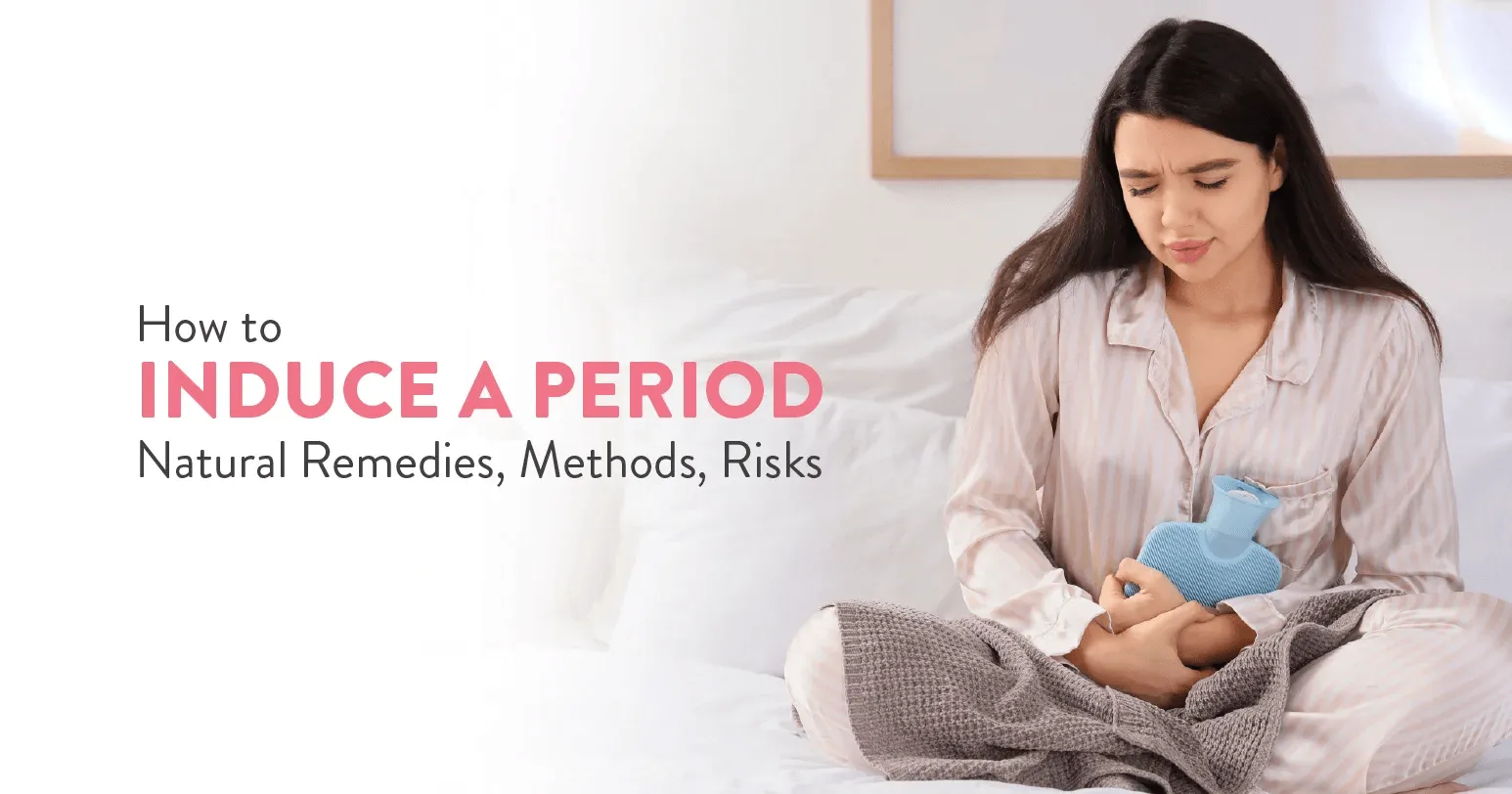
Period, also known as menstruation is a condition characterised as normal vaginal bleeding that occurs during a woman’s monthly menstrual cycle. Periods occur once every 21 to 35 days and lasts around 3 to 7 days. Though, due to various factors, periods may get delayed, this condition is also known as menstrual irregularity. According to a study published in the Economic Times, more than 50% of women in India have irregular menstrual cycles. Various factors like stress, thyroid issues, intense exercise, illness, PCOS, medications, and more can result in delayed periods.
Though, a delayed period or getting a period on an important event can be uncomfortable, inconvenient, or restrictive. Therefore people tend to look for ways to prepone their periods or ways to get periods immediately to avoid dealing with cramps, fatigue, and hygiene issues during important events.
Table of Contents
A menstrual cycle is a natural monthly process that prepares a woman’s body for pregnancy. It involves a series of hormonal changes that regulate ovulation (release of an egg)-symptoms, calendar & tips and the shedding of the uterine lining (your period).
| Phase | What Happens | Days (Approx.) |
| Menstrual Phase | Uterus sheds its lining | Day 1 – 5 |
| Follicular Phase | Hormones stimulate the growth of follicles | Day 1 – 13 |
| Ovulation | One mature egg is released from the ovary | Day 14 |
| Luteal Phase | Body prepares for possible pregnancy | Day 15 – 28 |
There are various hormones involved in the menstrual cycles- (everything you need to know about mensuration), i.e. oestrogen, progesterone, FSH & LH. It is important to understand the cycle as it helps track fertility, manage mood changes, detect issues like PCOS, thyroid imbalance, and more.
Also Read: Symptoms of Pregnancy after Sex
The menstrual cycle is controlled by a delicate balance of hormones. Even small changes in your body, lifestyle, or health can affect this balance – causing your periods to come late, become irregular, or be missed entirely. Some of the main reasons for delayed or irregular periods include:
Stress-(link b/w stress & high blood pressure) is one of the main factors that contributes to delayed periods. Mental or physical stress can impact the hormone balance that regulates menstruation.
Thyroid disorders can also lead to delayed periods. The thyroid hormones control metabolism and influence the menstrual hormones.
Exercising at a very high level may signal the body that it’s under physical stress which reduces oestrogen levels, halts ovulation, and leads to missed or delayed periods.
Polycystic ovary syndrome hormonal condition where the ovaries produce higher levels of androgens (male hormones). This disrupts the regular release of eggs (ovulation), making periods come late.
Losing a lot of weight or gaining a lot of weight suddenly might stop hormone production in the body. Both the extremes can disrupt the hormonal balance and affect ovulation resulting in delayed periods.
Certain medications, especially hormonal birth control (myths & facts about oral contraception), can affect the timing and flow of the period. Some pills may delay periods or cause light, infrequent bleeding.
While being sexually active, even one missed or delayed period could mean pregnancy(pregnancy diet chart). It’s the most common reason for a missed period in reproductive-age individuals.
Also Read: Challenges of Young Women with Breast Cancer
Several natural products may help induce periods by promoting better blood flow, stimulating the uterus, and helping regulate hormones. Some of the natural remedies include:
Papaya contains papain, an enzyme that can stimulate contractions in the uterus. It helps promote menstrual flow and balance hormones. Papaya can be consumed daily as fresh fruit or in smoothies.
Ginger is known to increase heat in the body that may help stimulate menstruation. Plus, ginger tea can help reduce period pain once it begins.
Consuming milk with turmeric can help improve blood circulation and balance hormones. Turmeric has warming and anti-inflammatory properties which can help regulate periods. It can be consumed daily by mixing ½ teaspoon in warm milk.
Parsley is high in myristicin and apiole which is known to help with estrogen production in the body and also regulates overall menstrual cycle. Parsley can be consumed in small quantities.
Carom seeds with jaggery is a widely used home remedy used to induce periods. Carom seeds improve blood flow and jaggery provides warmth. Boil carom in water and add jaggery, and consume it warm.
Fenugreek seeds (methi) are a popular home remedy in Ayurveda and traditional Indian medicine. It can be consumed by soaking the seeds in water overnight and drinking the water on an empty stomach in the morning. Fenugreek water is known to support hormonal balance, improve uterine health, and may help regulate periods.
Also Read: Ovulation – Symptoms, Calendar & Tips
Moderate physical activity improves blood circulation, reduces stress (link between stress & high blood pressure), and supports hormonal balance – all of which can help trigger menstruation. Some of the exercises to induce periods include:
Using a heating pad or applying a warm compress to the lower abdomen can help increase blood flow to the uterus and may help the uterine lining shed more easily. A heating pad or hot water bag can be used for 15-20 minutes.
Did you know? Poor sleep or irregular sleep cycles (types, causes & treatment) can disturb the hormonal rhythm. The key lies in getting enough sleep of 7-9 hours and keeping a consistent bedtime.
High-stress levels can interfere with hormone signals that control ovulation. Reducing stress can help bring periods back on track. Some of the effective methods to manage stress include meditation, deep breathing exercises, journaling, etc.
Also Read: Pregnancy & Nutrition
Missing or delayed periods are quite common and usually aren’t something to worry about. However, a missed or late period can sometimes indicate an underlying health issue, so it’s important to know when it’s time to reach out to a doctor. Here are some signs that may suggest consulting a doctor:
Read More: Hyperpigmentation – Causes, Treatment, Prevention & Home Remedies
How long is a normal period cycle?
A healthy cycle ranges from 21 to 35 days.
Can stress delay or advance periods?
Yes, stress can lead to irregular or delayed periods.
Can birth control pills regulate or speed up periods?
Yes, birth control pills can regulate or even speed up periods.

Table of Contents
Pregnancy, a phase of immense transformation and joy, is a condition when a fetus grows inside the uterus. Pregnancy lasts around 40 weeks and is split into 3 trimesters each lasting around 13 weeks. This phase of transformation involves significant lifestyle changes along with the transformation in the body. It’s natural to expect some physical changes after intercourse and many people start to notice differences. Well, it is important to understand that pregnancy symptoms do not appear immediately and it may take a minimum of one week for the symptoms to show up. Additionally, there are various factors that play a key role here and it varies from person to person.
Pregnancy begins when a sperm fertilizes an egg, this can happen within 24 hours after ovulation. This can lead to various symptoms and noticeable changes in the body. Some of the symptoms of pregnancy after sex include mild abdominal pain, breast tenderness, bloating, and more.
Also Read: Nutrition During Pregnancy
Pregnancy doesn’t start the moment you have sex. It begins when a fertilized egg implants in your uterus, usually about 6 – 10 days after ovulation. After this, your body begins to produce the pregnancy hormone hCG, which causes many of the early symptoms. The symptoms also vary from person to person, some of the early pregnancy symptoms include:
It is one of the most common early signs of pregnancy. Females with a regular cycle, missing one cycle after intercourse can be a strong indicator of pregnancy. Additionally, some women may also experience light spotting (does lighter period than usual indicates pregnancy?), which at times is mistaken as light period.
Another significant sign of pregnancy is the breast feeling tender, heavier, and more sensitive. Breast changes occur due to hormonal changes and can begin as early as 1-2 weeks after conception.
Fatigue or tiredness (how to manage fatigue & dizziness in hot weather?) is very common in early pregnancy days. It is due to high levels of progesterone that support early fetal development.
This can start a few weeks after conception and can occur any time of the day and is not just limited to the morning. This is usually linked with rising levels of hCG (Human Chorionic Gonadotropin) and oestrogen levels.
Frequent urination is also common during the initial weeks of pregnancy. Rising hormones lead to an increase in the blood flow to the kidneys.
Implantation bleeding (bleeding during pregnancy) is light spotting that occurs when a fertilized egg attaches to the uterus wall. It can last for 1-2 days.
Also Read: Ovulation – Symptoms, Calendar & Tips
It’s a common misunderstanding, people often take pregnancy tests right after having sex. However, it’s crucial to know that if we take a test immediately after, it will almost always show a negative result. This is because the test detects hCG (Human Chorionic Gonadotropin), a hormone that only shows up after implanting.
Missed period is the most significant sign of pregnancy, though if the test is still negative retest after 2-3 days, and avoid drinking too much water before the test. Consult a specialist if the tests are negative and the period hasn’t started in a week.
Also Read: Premature Labour – Causes, Symptoms & Treatment
| Aspect | Details |
| Best time to test | After a missed period. |
| Earliest time to test | 10 to 12 days after ovulation. |
| Time of day | First morning urine is best for pregnancy tests. |
| What to look for | 1 line – negative, 2 lines – positive. |
| What to avoid | Avoid drinking too much water before testing. |
| How to use | Use a clean container, hold the strip & wait as per instructions. |
There are numerous misconceptions are myths about early pregnancy symptoms, some of the most common ones include:
One of the common misconceptions around early pregnancy days is linked to morning sickness as just a morning issue. Though the fact is nausea and vomiting can occur in any part of the day or night. The severity can vary from person to person.
There’s another very common myth around pregnancy symptoms that is related to symptoms getting noticeable right after sex. However, symptoms only appear after fertilisation and implantation take place.
This is another common belief people have, though symptoms during early pregnancy can vary significantly from person to person. Some women may feel & notice a lot of changes while others might not feel anything.
A missed period being considered pregnancy is very common. However, a missed period can also result from stress, weight changes, PCOS, or other health issues.
Another common misconception is related to light bleeding during early pregnancy. However, light bleeding results from implantation and is normal during early pregnancy.
When will I get pregnant after sex?
Pregnancy typically starts a few weeks after sex and can take 2-3 weeks to get officially recognized.
How to know if you are pregnant?
A pregnancy test can help detect pregnancy.
When do pregnancy symptoms start?
Pregnancy symptoms start between 4 to 6 weeks after conception.
Is white discharge a sign of pregnancy?
Yes, a white discharge can be a sign of pregnancy, especially during the early stages.
Can I take a pregnancy test after 5 days?
No, a pregnancy test after 5 days of intercourse is unlikely to be accurate.
Is stomach pain a sign of pregnancy?
Stomach pain can be a sign of pregnancy, though it can also result from other conditions.
How many days does it take to get pregnant after sex?
It can take 2 to 3 weeks from the time of intercourse for a person to become pregnant.

Table of Contents
Finding a lump in the breast might be concerning, the first instinct that comes in most of our minds is breast cancer. However, it is important to understand that most breast lumps are non-cancerous. A breast lump can be made of various things, including fluid-filled sacs, glandular tissue lumps, cancerous cells, fatty tissues, and more. These lumps can be hard, soft, smooth, or round and can appear either in the breast tissues or around the armpit area.
There are various causes that lead to breast lumps, some of the common factors that lead to benign breast lumps include:
Malignant breast lumps are less common, according to research 8 out of 10 breast lumps are non-cancerous. Plus, symptoms of cancerous breast lumps might vary for everyone. Some of the common causes leading to malignant breast lumps include:
Breast lumps can be quite alarming. While it’s true that most of them are non-cancerous, there are specific characteristics that could indicate a more serious issue. Here are some signs to look out for:
Also Read: Challenges of Young Women with Breast Cancer
Ideally, it is recommended to see a doctor for evaluation in case a new lump develops or if there are any breast changes. Here’s when to see a doctor:
Also Read: Ovulation – Symptoms, Calendar & Tips
Other symptoms which may necessitate seeing a doctor include:
Also Read: Breast Lump- Causes, Symptoms, Treatment & How to Identify it
Diagnosis of breast lumps involves a multi-faceted approach, starting with clinical examination, medical history, and imaging tests. Physical examination involves assessing the size, shape and other characteristics of the lump by a specialist. The diagnosis procedure involves imaging tests including:
Also Read: Breastfeeding: Advice, Nutrition & Tips
It is normal to worry after finding a breast lump, though it is important to consult a healthcare professional immediately. The following steps can be followed post-finding a breast lump:
Also Read: How Can One Detect Breast Cancer At The Early Stages?
| Preventive Measures | Description |
| Maintain a healthy weight (weight management tips) | Obesity (effects of obesity on health) is known to increase the risk of breast cancer, thus maintaining a healthy weight is crucial. |
| Limit alcohol intake | Consuming excessive alcohol can raise oestrogen levels which can increase the risk of breast cancer. |
| Do regular breast self-exams | Check for new growths, lumps, discharge, etc. especially a few days after the period ends. |
| Schedule routine screening | Schedule regular breast exams every 1 to 3 years, additionally go for mammograms. |
| Avoid Smoking | Refrain from smoking and secondhand smoke as it is linked to several types of cancers, including breast cancer. |
Breast lumps are definitely a cause of concern, but it is important to understand that reacting early is the key, whether the lump is benign or malignant. If you’re noticing a lump that is hard, immobile, and growing quickly and is also accompanied by symptoms like nipple changes, or unusual discharge, it is best to schedule a consultation with a breast specialist. According to the World Health Organization (WHO), breast cancer if caught early in stage one, has a survival rate of 90%, while in delayed stages the treatment becomes more intensive and treatment is not that favourable. Thus, early evaluation not only offers peace of mind but also ensures timely treatment if needed.
Read More: PCOD – Causes, Symptoms & Treatment
Can breast lumps come and go with the menstrual cycle?
Yes, breast lumps can fluctuate during the menstrual cycle.
Can hormonal changes cause breast lumps?
Yes, hormonal changes significantly contribute to breast lumps.
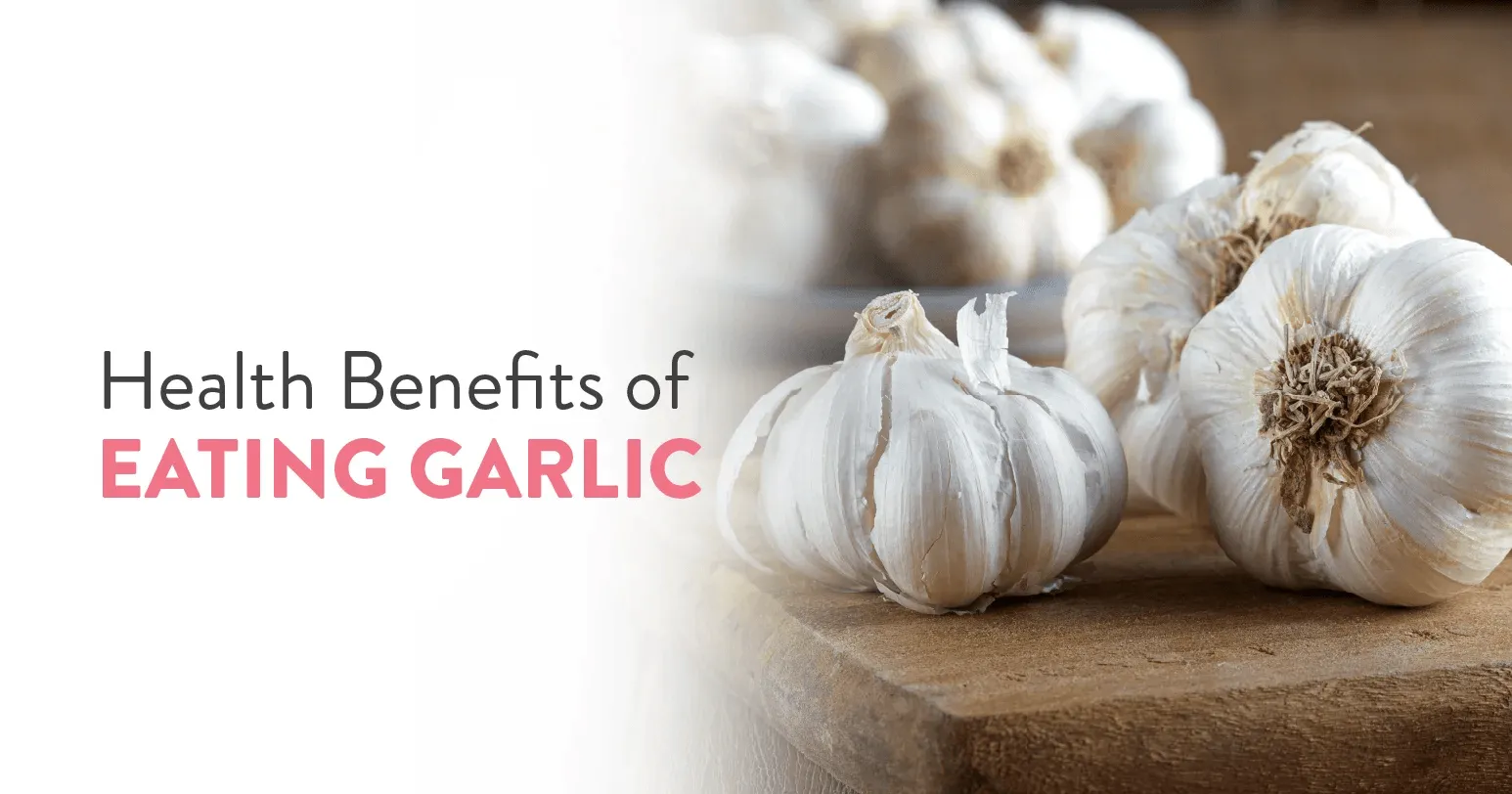
Table of Contents
Many of us have probably had the kitchen-ready remedies our grandma used for various diseases or injuries. The remedies, more commonly referred to as ‘gharelu nuskhe’ may not be as popular today, but they continue to inspire modern medicine. From the soothing mix of honey and lemon to warm turmeric milk it has all been a part of our childhood memories. Even though times have changed, these home remedies continue to work wonders, one such natural ingredient that has numerous health advantages is garlic.
Garlic is a plant of the onion family and is known for its distinctive taste and numerous health benefits. Eating raw garlic is associated with health benefits including, an immunity boost, reducing the risk of diseases, improving gut health, helping fight infections, and more.
Garlic is something people either love or hate, given their strong taste. Garlic is packed with essential nutrients and some findings also suggest that it has been used to treat illness for thousands of years. Garlic is low in calories and high in antimicrobial properties, and there are also researches that suggest that garlic reduces the risk of certain types of cancer. The scientific name for garlic is ‘allium sativum’, it is commonly used in homoeopathic medicines to help with conditions like cough, increasing weight, irregular sleep, and more.
Also Read: 10 Places Where Hidden Sugars Sneak into Your Diet
The table below shows the nutritional facts of 1 raw garlic clove:
| Nutrients | Values |
| Energy (kcal) | 4.45 g |
| Protein | 0.19 g |
| Sugars | 0 g |
| Carbohydrates | 1 g |
| Vitamin C | 0.09 mg |
| Calcium | 5.4 mg |
| Iron | 0.05 mg |
| Magnesium | 0.75 mg |
| Potassium | 11 mg |
| Zinc | 0.03 mg |
| Fiber | 0.06 g |
| Sodium | 0.51 mg |
Garlic is known for its immunity-boosting properties, aiding digestion, supporting heart health, and more. The low-calorie vegetable is packed with a range of nutrients essential for maintaining overall well-being. Some of the top health benefits of eating garlic include:
Also Read: Balanced Diet Chart
Garlic is a very popular culinary ingredient used for its flavour and aroma that help enhance the taste of various types of dishes. Additionally, garlic is a good source of nutrients and has numerous health benefits. Here’s how to include garlic in your diet:
| Method | Description |
| Raw garlic in the morning | Crush 1 – 2 cloves of garlic and swallow with water. The method helps with immunity, detox & blood pressure control. |
| Garlic-infused oil | Lightly cook the garlic cloves in olive oil and further use it for salad dressing or cooking. |
| Add to salads | Use raw garlic cloves in salads or drizzle garlic oil over sauted vegetables. |
| Roast garlic | Roast a whole garlic bulb and have it on toast, mashed potatoes, or with roasted vegetables. |
| Add to soups & broths | Add crushed or minced garlic into soups, dals, broths, etc. It helps enhance taste & soothing benefits. |
| Stir fries & curries | Use saute chopped or minced garlic in oil and add it to vegetables or meats to enhance flavour. |
Also Read: Dangers of Excessive Heat
Garlic cloves should be consumed in moderation, 1-2 cloves daily are adequate and may provide health benefits. There are several ways one can eat raw garlic, from chewing it directly to swallowing it with water, all have health benefits. Given the strong taste of garlic, choose the way that suits you the best. Plus, raw garlic also retains more allicin making it more beneficial for health. On the other side people with GERD (gastroesophageal reflux disease) should keep the garlic intake to the minimum to avoid heartburn. Also, there are certain compounds in garlic that may irritate the digestive tract which can cause a burning sensation or discomfort, during this situation, consider lowering the intake.
Read More: Benefits & Side Effects of Muskmelon
Can eating garlic help with colds and flu?
Yes, eating garlic can help with colds and flu.
Is raw garlic more beneficial than cooked garlic?
Yes, raw garlic is more beneficial than cooked garlic.
Does garlic increase testosterone?
Yes, some studies suggest that garlic increases testosterone.
Does garlic lower cholesterol?
Yes, garlic may lower the levels of cholesterol, particularly bad cholesterol.
How much garlic should I eat daily for health benefits?
Generally, 1-2 cloves of raw garlic is recommended for potential health benefits.

Table of Contents
Breast cancer is the most common cancer affecting women worldwide. Breast cancer is the most common cancer in India, accounting for 28.2% of all female cancers (according to a publication in the Times of India). Additionally, the risk of breast cancer is rising in India; 1 in 28 women is likely to develop breast cancer during their lifetime. Breast cancer also affects men; according to the WHO, approximately 0.5 – 1% of breast cancers occur in men.
The condition results when breast cells mutate, become cancerous, and multiply to form a tumour. Breast cancer usually affects women aged over 50; however, it can affect women younger than 50. Breast cancers are of different types and are characterized basis where they start, i.e. invasive ductal carcinoma (starts in the milk ducts), lobular breast cancer (starts in the milk producing glands), ductal carcinoma (starts in the milk ducts), inflammatory breast cancer, triple negative breast cancer, and Paget’s disease of the breast.
Also Read: Treatment of fibroadenoma without surgery | Is it possible?
Breast cancer has long been thought to affect older women, but recent statistics tell a different story. The rate of breast cancer in women under 50 has been climbing at a quicker pace – around 1.4 per cent each year from 2012 to 2022 – compared to a 1 per cent annual increase in women over 50.
Did you know? Studies suggest that breast cancer in young women is more likely to be the aggressive type.
According to breast surgeons at the CK Birla Hospital, the increasing number of breast cancer cases can be associated with several factors, including an inactive lifestyle, obesity (effect of obesity on health), alcohol consumption, a family history of cancer, radiation exposure, tobacco use, and postmenopausal hormone therapy. This early onset of breast cancer has been increasing for some years now. A study conducted by AIIMS Delhi revealed that 30% of breast cancer cases detected in women were under 40. Some of the top contributors to this rising number include:
Also Read: When to worry about breast lump
The primary challenge faced by young women diagnosed with breast cancer is linked to the type of breast cancer, i.e., the aggressive nature of breast cancer that can be challenging to treat.
The types of breast cancer that often affect young women are HER2-positive, triple-negative breast cancer, and invasive ductal carcinoma. The treatment of these aggressive forms of breast cancer may require a greater level of chemotherapy (how chemotherapy works against cancer) and targeted therapy. Some of the major challenges faced by young women with breast cancer include:
Also Read: Breast Lump – Causes, Symptoms, Treatment & How to identify it
The treatment plan is designed based on the conversation between you and your healthcare provider. The treatment plan is designed based on the type of breast cancer, its stage, and the desire to build a family. There are several factors to consider during treatment, including:
Read More: Symptoms of Pregnancy after Sex
For any concerns related to breast cancer, you can consult our experienced Breast Cancer Specialists.
Why is breast cancer affecting young women?
The increasing cases of breast cancer in younger women are associated with a sedentary lifestyle, obesity, increased alcohol consumption, hormonal factors, lack of awareness, and more.
At what age is breast cancer most commonly diagnosed?
Breast cancer most commonly affects women aged over 50; however, the cases of breast cancer are increasing in younger women.

Table of Contents A normal pregnancy usually lasts 40 weeks. When a pregnant woman experiences contractions before the estimated time (early than 37 weeks), it is considered preterm labour. The early onset of labour result in the opening of your cervix after 20 weeks or before 37 weeks of pregnancy. Preterm labour can lead to premature birth which can increase the risk of certain health problems in your baby such as cerebral palsy. Also Read: Home Remedies for Gas During Pregnancy Preterm labour leads to certain changes in your cervix including its thinning and dilation. These changes can lead to the following preterm labour symptoms: The exact causes of preterm labour are not known. Some common causes include: Preterm labour can affect any pregnant woman, however, some women have a higher risk than others. Common risk factors leading to the causes of preterm labour include: Also Read: Are You Sleeping Right? Guide for Pregnant Mothers Your healthcare provider will discuss your medical history and evaluate your risk of preterm labour. Common tests which are done to diagnose premature labour include: Once preterm labour has started, there are no clinical procedures to stop it. If you are at an increased risk for premature labour, your obstetrician will help manage or prevent preterm labour through the following protocols: Read More: Back Pain during Pregnancy Preterm labour can stop on its own in some cases. While in others, it continues to make way for preterm birth. Your healthcare provider will evaluate your condition and try to prevent preterm birth to help manage the health of you and your fetus. You can prevent preterm labour by living a healthier lifestyle, avoiding tobacco consumption and eating a nutrient-dense diet with increased folic acid. Premature birth happens before 37 weeks of pregnancy. Extremely preterm births happen between 23-28 weeks of pregnancy.
Things you need to know
What is preterm labour?
Preterm labour symptoms
Causes of preterm labour
Risk factors of preterm labour
Preterm labour management
FAQs
Can preterm labour stop on its own?
How can I prevent preterm labour?
How early can a baby be born?
Most of us are aware of the effects of excess sugar consumption and how it can significantly harm our health. Eating excess sugar has been linked to increased risk of various diseases like type 2 diabetes, cancer, obesity, heart disease, and more. Still, it is easy to underestimate the amount of sugar we actually consume on a daily basis.
The Indian Council of Medical Research (ICMR) recommends consuming sugar not more than 25 grams per day. Anything over this limit adds no nutritional value and can be harmful.
According to a report by Statista, India is one of the leading consumers of sugar with a whopping consumption of 31 million tonnes/year. Given the wide array of traditional sweets and desserts available, it’s no surprise that this figure is so high. But is this rising number solely due to the popularity of sugary treats? Not quite! In reality, the majority of foods we purchase are supplemented by sugar. Even the foods marked as healthy are unfortunately high in sugar.
Table of Contents
Identifying hidden sugars matters! But what exactly are hidden sugars? Hidden sugars are sugars that are not easily identifiable in the food and drinks we consume. These are often disguised with different names. These hidden sugars are commonly found in soft drinks, cereals, yoghurts, breads, granola bars, and more. Identifying hidden sugars is important because:
Read More: Diabetes Myths & Facts
There are various food products marketed as healthy but are surprisingly high in hidden sugars. From breakfast cereals to salad dressings all are high in sugar. Some of the unexpected foods that are high in hidden sugars include:
Yes, our go-to everyday breakfast that we consider healthy is high in hidden sugars. Even the healthy ones like granola. Plus, the cereals made specifically for children (healthy diet chart for kids in hindi) contain a significant amount of sugar. Ideally when choosing a cereal look for the ones high in fiber and low on added sugar. Also, check for other names that sugar comes in including sucrose, fructose, glucose, corn syrup, and more.
Yogurt is nutritious, though not all of them get created equally. Flavoured yoghurt usually contains high sugar to enhance their flavour. Did you know? Low-fat yoghurts are surprisingly high in sugar. A single cup of flavoured yoghurt contains approximately 45 grams of sugar. The solution? When buying yoghurt choose the ones low in added sugar and select ones with no flavour and added fruits, add your own as it helps control the sugar content.
Granola is packed with fiber, protein (high protein foods), and essential micronutrients, but it can also be sneaky with hidden sugars. It’s often marketed as a healthy breakfast choice, but when you look closer, you’ll find it’s mixed with nuts, honey, and extra sweeteners that bump up the sugar and calorie count. When you’re picking out granola, aim for options with less added sugar, or consider using it as a topping for fruit or yoghurt instead of having a whole bowl.
Ketchup & salad dressings are the most common condiments worldwide. Though these much-loved taste enhancers are high in sugar content. The key lies in controlling the portion size. According to a study, 1 tablespoon of ketchup contains around 1 teaspoon of sugar.
Commercially produced breads & baked goods also contain high amounts of sugars. Also, the ones that don’t taste overly sweet are packed with hidden sugars. It is often used to enhance the taste, texture, and browning of the crust. It is important to read labels carefully, even the ones labelled as healthy, whole grain can also be high in sugar.
Soups are something we don’t usually associate with sugar. However, canned soups & sauces are made using a lot of added ingredients including sugar. Sugar in soups and sauces is usually named sucrose, barley malt, maltose, and more. Soups and sauces that are high in sugar include tomato soup, salad dressing, ready-to-eat soup, pasta sauces, and more.
Our favourite munching snacks including flavoured popcorn, flavoured chips, crackers, flavoured ice cakes, and more are often packed with sugar. Even the ones mentioning natural, light or fit still hide added sugar with different names. Therefore it is often recommended to read labels and not just tags. Also, choose whole food over packaged foods, and try replacing packed snacks with roasted nuts, boiled eggs, etc.
Packaged food products like dried fruit, snacks, fruit jams, etc naturally contain sugar, though these products are packed with additional sugar to enhance their taste, increase shelf life, enhance texture, and more. The best alternative here is to eat fresh whole fruit, choose unsweetened dried fruits, and look for labels that mention 100% natural – no added sugar.
Energy & sports drinks are often associated with healthy alternatives even after being marketed as fitness-friendly or performance-enhancing. However, these contain high amounts of added sugars which may increase the risk of obesity (effects of obesity on health), diabetes (causes, symptoms & treatment), dental issues, and more. Sugar is generally added to these drinks to enhance the taste, improve texture, and increase shelf life. Hidden sugar in these drinks is often labelled as high-fructose corn syrup, glucose, fruit juice concentrate, etc.
Also Read: Daily Routine of Diabetic Patient
Hidden sugars are usually not named as ‘sugar’, rather they go by various other names in unexpected foods. Some of the common aliases to look for hidden sugars include:
When choosing a food product look beyond the buzzwords like light, fat-free, no added sugars, etc. Rather start with decoding the ingredient list first. Check for the section mentioning total sugars and added sugars. Start decoding the list in descending order, because the first 3-4 ingredients make the most of the product and if sugar is in t he top three, the product might be high in sugars. Additionally, check for various other names it goes by and calculate the volume per serving.
Also Read: Diet Chart for Diabetic Patient
There are various ways through which you can reduce the consumption of hidden sugars in your daily diet including:
| Habit/Action | What to Do |
| Choose whole food over processed foods | Eat fresh fruits, vegetables, and unprocessed grains. |
| Pick unsweetened versions | Always go for unsweetened versions of products like yoghurt, milk, cereals, etc. |
| Limit packed drinks/beverages | Avoid packaged juices, energy drinks, flavoured water, etc. |
| Use natural flavour enhancers | Add cinnamon, fruit puree, etc instead of sugar to foods. |
| Keep note of portion sizes | Watch for portion sizes, even healthier options can add up quickly. |
| Be cautious of labels | Look for other names in the labels as sugar goes by various names. |
Read More: Easy ways to manage type 1 and 2 diabetes
Cutting hidden sugar in the everyday diet does not have to equate to sacrificing taste – it’s about making wiser, better-informed decisions. Reading labels smartly, opting for whole and not ultra-processed foods, and taking notice of what goes into packaged food allows for sharply reduced unnecessary sugar consumption. Gradually, the taste buds will change, cravings will minimize, and you’ll like the natural flavours of food more than ever – all while promoting healthier long-term well-being.
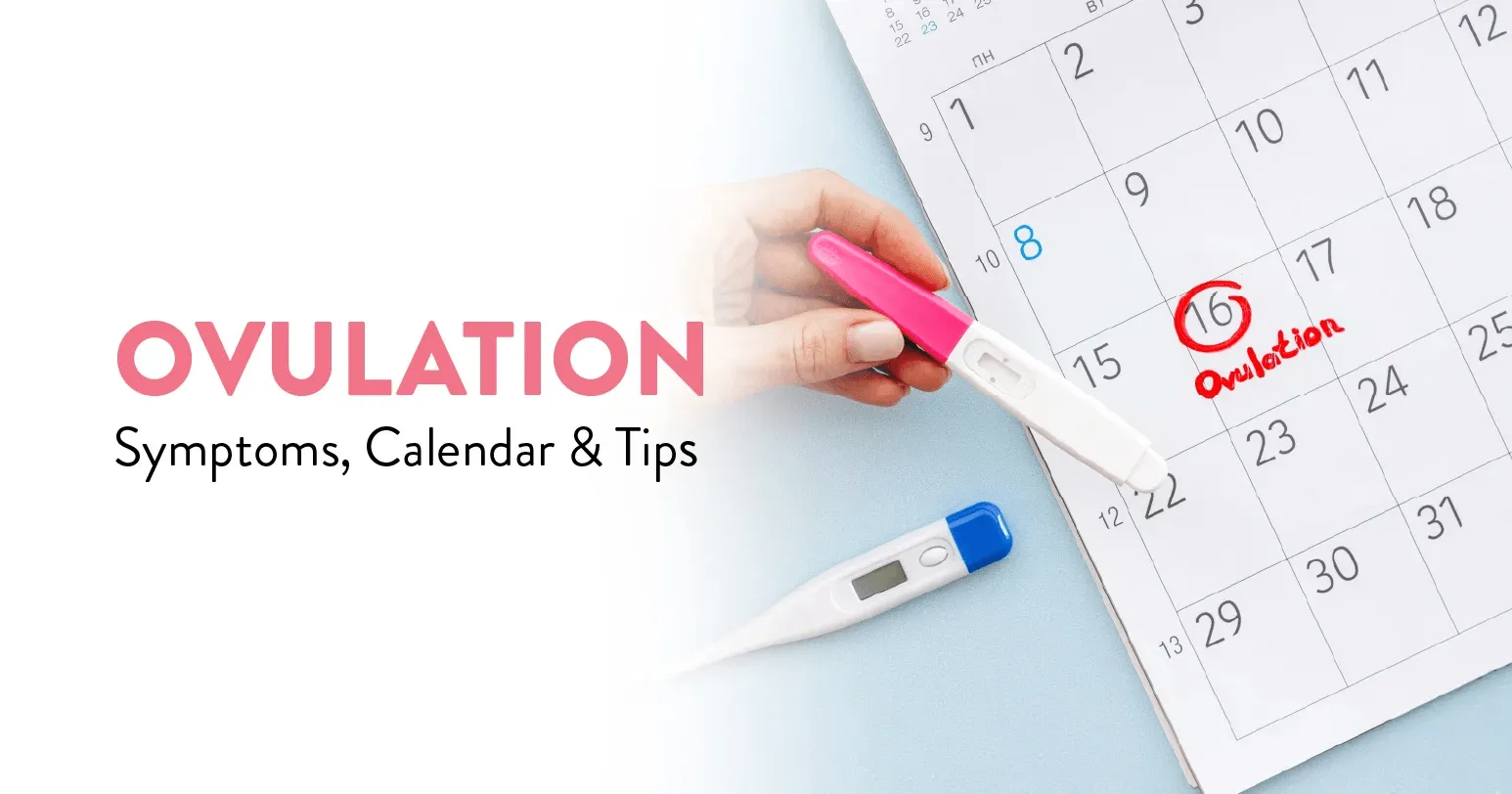
Table of Contents
Ovulation occurs when your ovary releases a mature egg that travels down to the fallopian tube where it can be fertilized with a sperm. If fertilisation happens, the egg can travel to the uterus and implant itself to develop into a pregnancy. The day of ovulation and 5 days beforehand are considered your fertile window.
The egg can be fertilized within 12-24 hours after being released while a sperm can live in the reproductive tract for nearly 5 days.
In an average menstrual cycle of nearly 28 days, ovulation occurs around 14 days before the next cycle. However, most women experience ovulation nearly 4 days before or after the midpoint of their menstrual cycle.
Also Read: How to prepare your body for pregnancy
Every woman has a distinct menstrual cycle. Hence, the ovulation period also varies. Nonetheless, you can identify your ovulation based on the following signs and ovulation symptoms.
Also Read: Home Remedies for Gas During Pregnancy
Here are some ways to keep a track of your ovulation cycle.
Also Read: Food cravings during pregnancy
Keep the following things in mind while you are trying to conceive.
How often should you have intercourse while trying to conceive?
You should have intercourse every day or every second day during ovulation while trying to conceive.
What if you are not ovulating regularly?
If you are ovulating regularly, you may be undergoing an ovulatory disorder. You should consult an expert obstetrician-gynaecologist for a health checkup.
Can you get pregnant after ovulation?
It is possible to get pregnant after ovulation. However, your chances are higher during your fertile window.
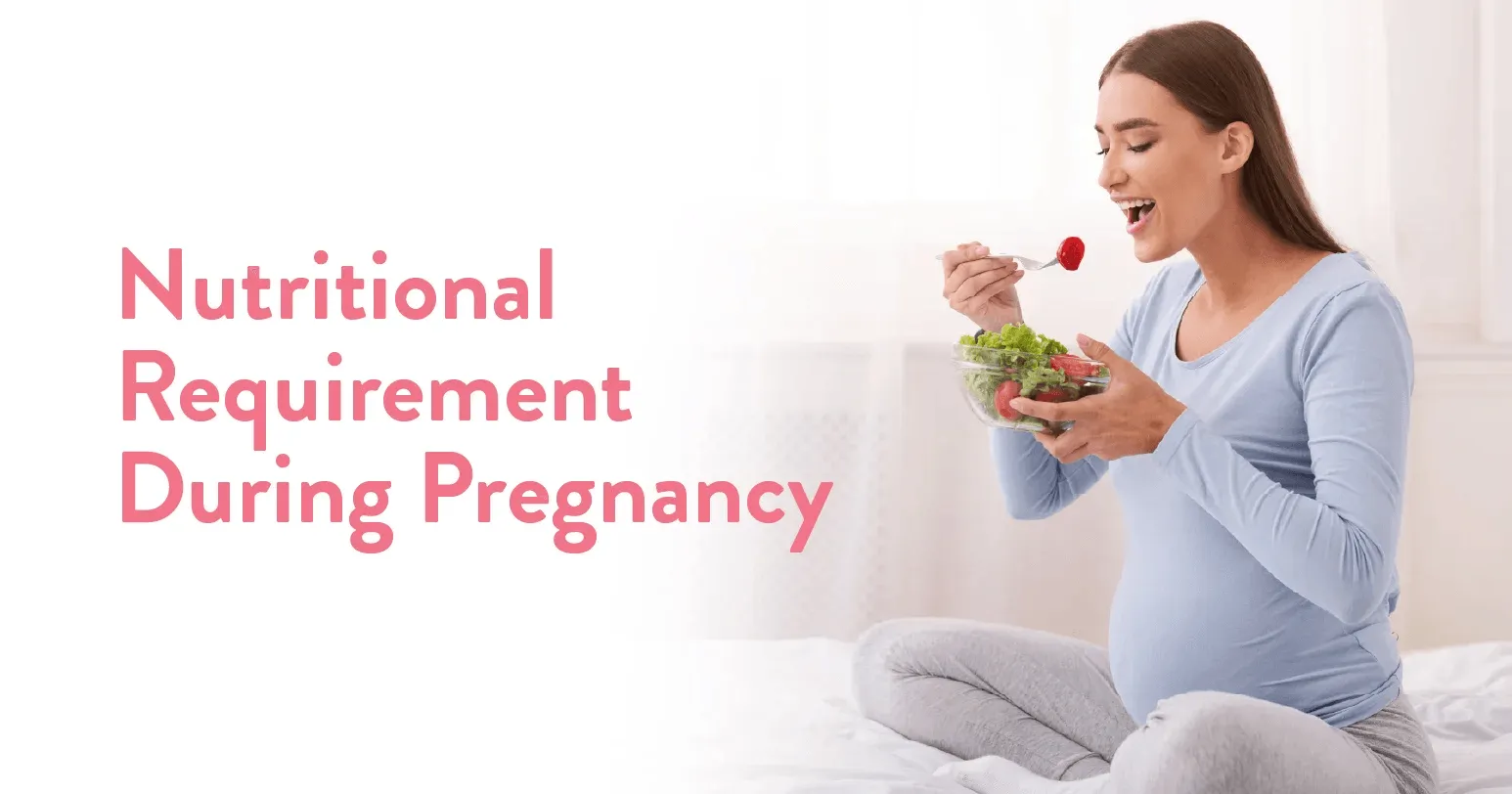
Folic acid or folate is one of the B vitamins essential for fetal development (fetal development week by week) and a healthy lifestyle. It helps in the prevention of abnormalities associated with the brain and spinal cord. It is recommended that women should increase the intake of folic acid (role of folic acid in pregnancy) from the early days of conception or while trying to conceive. Recommendation: 400-1000 micrograms (0.4-1.0 mg) folic acid per day Sources: Leafy green vegetables such as spinach, asparagus, citrus fruits, cereals, oranges, peanuts, dried beans and peas Calcium (symptoms & solution of calcium deficiency) is one of the top elements of nutrition during pregnancy for bone growth and the development of strong teeth. It also promotes the functioning of your circulatory, muscular and nervous systems. Recommendation: 1000 milligrams of calcium per day Sources: Dairy products like milk, yogurt and cheese, broccoli, kale, cereal, juice, salmon and spinach Vitamin D helps your body to absorb the right amount of calcium and phosphate. Furthermore, it promotes the growth of strong bones and teeth in your baby. Vitamin D (symptoms & causes of vitamin D deficiency) is also significant for the development of kidneys, heart and nervous system. Recommendation: 10 micrograms of Vitamin D per day Sources: Fatty fish, orange juice, milk and eggs A sufficient intake of protein (top high protein foods) supports the growth of breast and uterine tissue during your pregnancy. It further promotes the circulation of blood in your body. Recommendation: 71 grams of protein per day Sources: Fish, poultry, cottage cheese, lentils, milk, eggs and peanut butter Iron (iron rich foods) is significant for the production of haemoglobin in your blood. Haemoglobin is responsible for carrying oxygen to your tissues. Your iron needs increase by double during pregnancy. An iron deficiency can elevate your chances of pregnancy and birthing complications. Recommendation: 27 milligrams of iron per day Sources: Lean red meat, spinach, cereal, beans, poultry and vegetables Vitamin A and vitamin C promote the development of healthy skin, eyesight, teeth, gums and bones. Recommendation: 770 milligrams Vitamin A & 85 milligrams Vitamin C per day Sources: Green leafy vegetables, carrots, sweet potatoes, citrus fruit, broccoli, tomatoes and strawberries Also Read: Healthy Lifestyle Tips for Pregnancy Sometimes it is not possible to meet your nutritional requirements through a rich diet only. It is, thus, recommended that expecting women start taking prenatal vitamins every day to boost healthy development. Here are some other guidelines you must follow for healthy eating during pregnancy: Read More: Balanced Diet Chart
Things you need to know
Folic acid
Calcium
Vitamin D
Protein
Iron
Vitamin A and C
Healthy Pregnancy Tips
FAQs
Which foods should I avoid during pregnancy?
You should avoid the consumption of unpasteurized milk, raw and uncooked seafood and refrigerated food.
How much should I eat during pregnancy?
You should increase your consumption of healthy foods and nutrients and aim to eat nearly extra 300 calories daily.
How many prenatal vitamins should I take every day?
You should take one serving of prenatal vitamins every day or as per your doctor’s recommendation.